

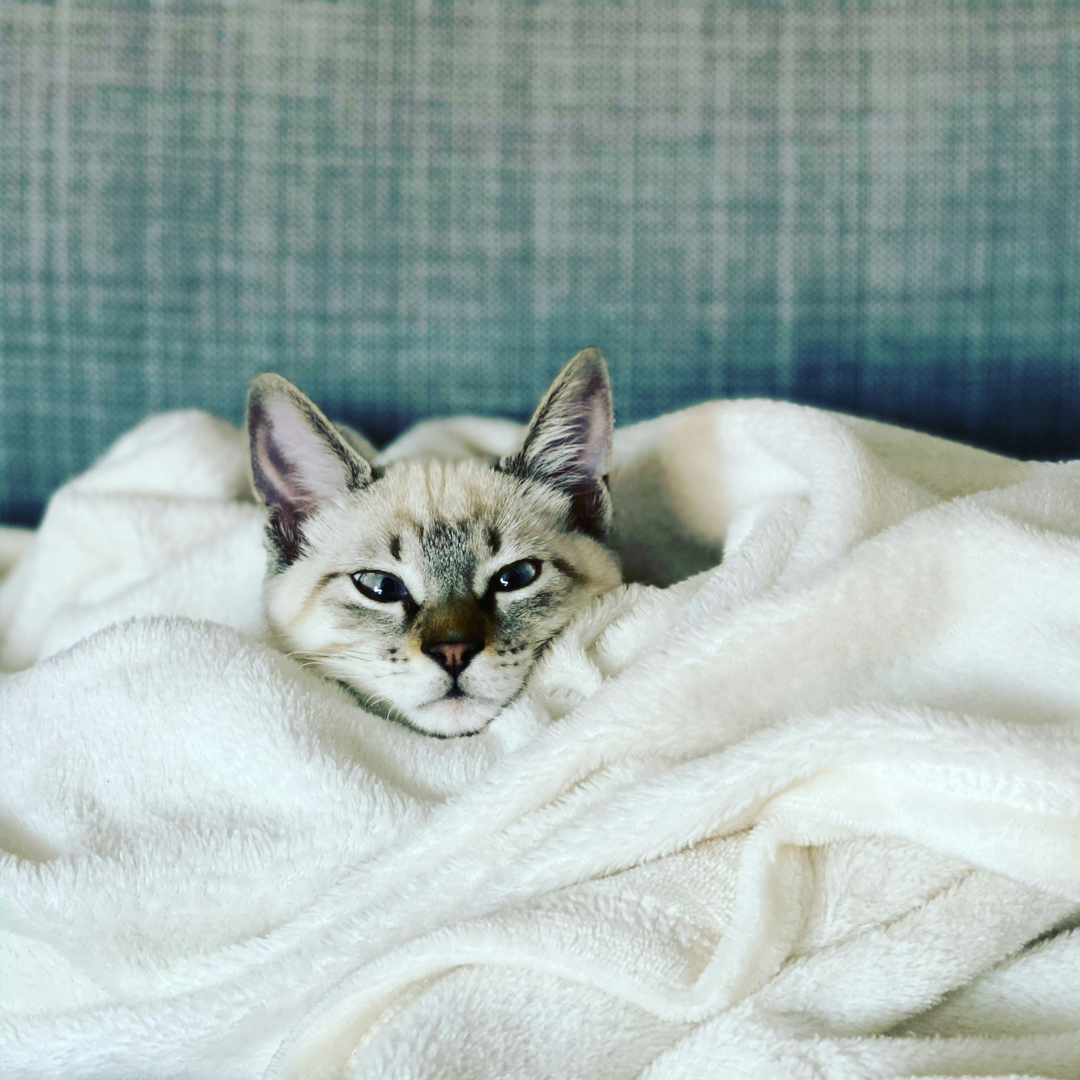
Red light therapy for cats: What every cat owner should know about a quiet, at-home way to help.
Cats are masters at hiding pain. A 2011 study published in the Journal of Feline Medicine and Surgery found radiographic evidence of arthritis in 61 percent of cats over age 6, and 82 percent of cats over age 14. Most of those cats had never been diagnosed. Their owners assumed the slowing down was just aging. Often, it was pain.
Red light therapy for pets gives cat owners a gentle, non-invasive way to support their cat's mobility and comfort at home. The same wavelengths that veterinarians use in clinical cold laser therapy are now available in consumer-grade pads designed for daily at-home use. This guide walks through what red light therapy is, how it works on a cat specifically, what conditions it helps with, and the one thing that matters most when introducing it to a cat: letting them come to it on their own terms.
20 min
Daily session
660 + 850 nm
Therapeutic wavelengths
14 mm
Tissue penetration
Drug-free
Vet-supported

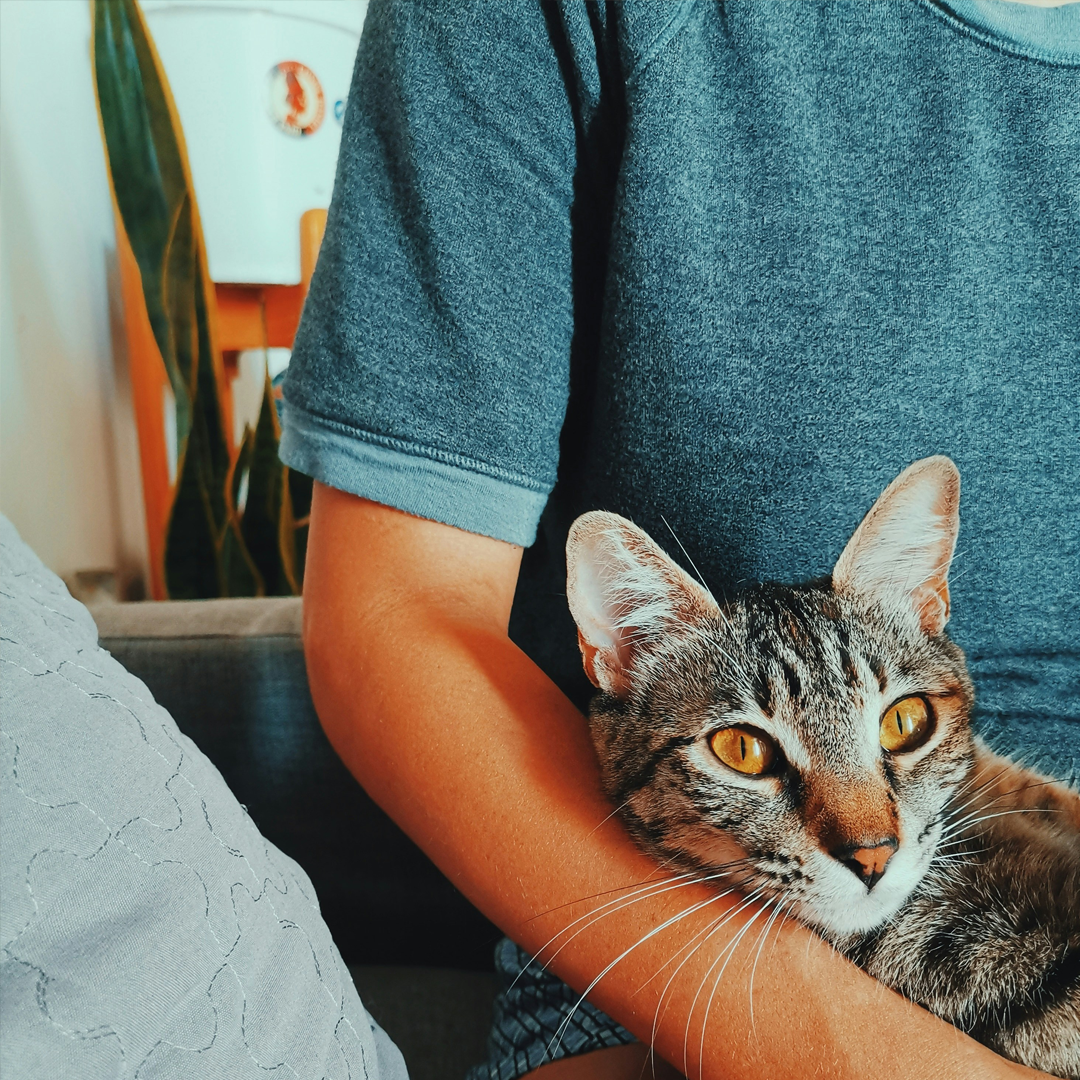
Cats are different from dogs in two Important ways.
Most pet red light therapy content was written for dogs and adapted for cats as an afterthought. That's a problem because cats are different in two ways that matter for therapy.
First, anatomy. Cats are smaller and have thinner skin and less subcutaneous fat than most dogs. Light penetrates roughly 3.6 millimeters into cat tissue — enough to reach the joints in the hips, shoulders, and limbs, but the dose math is different than for a Labrador. Sessions tend to be shorter (10-15 minutes is often enough), and the pad placement matters more because there is less mass between the light and the underlying tissue.
Second, behavior. A dog who senses warmth from a pad will often lie on it within seconds. A cat who senses anything new will leave the room. Cats decide where they spend time. Any therapy that requires forced contact, restraint, or a 20-minute wand-holding session is going to fail with most cats. The successful approach is to let the cat discover the pad on their own — placed in a spot they already love — and let curiosity do the rest.
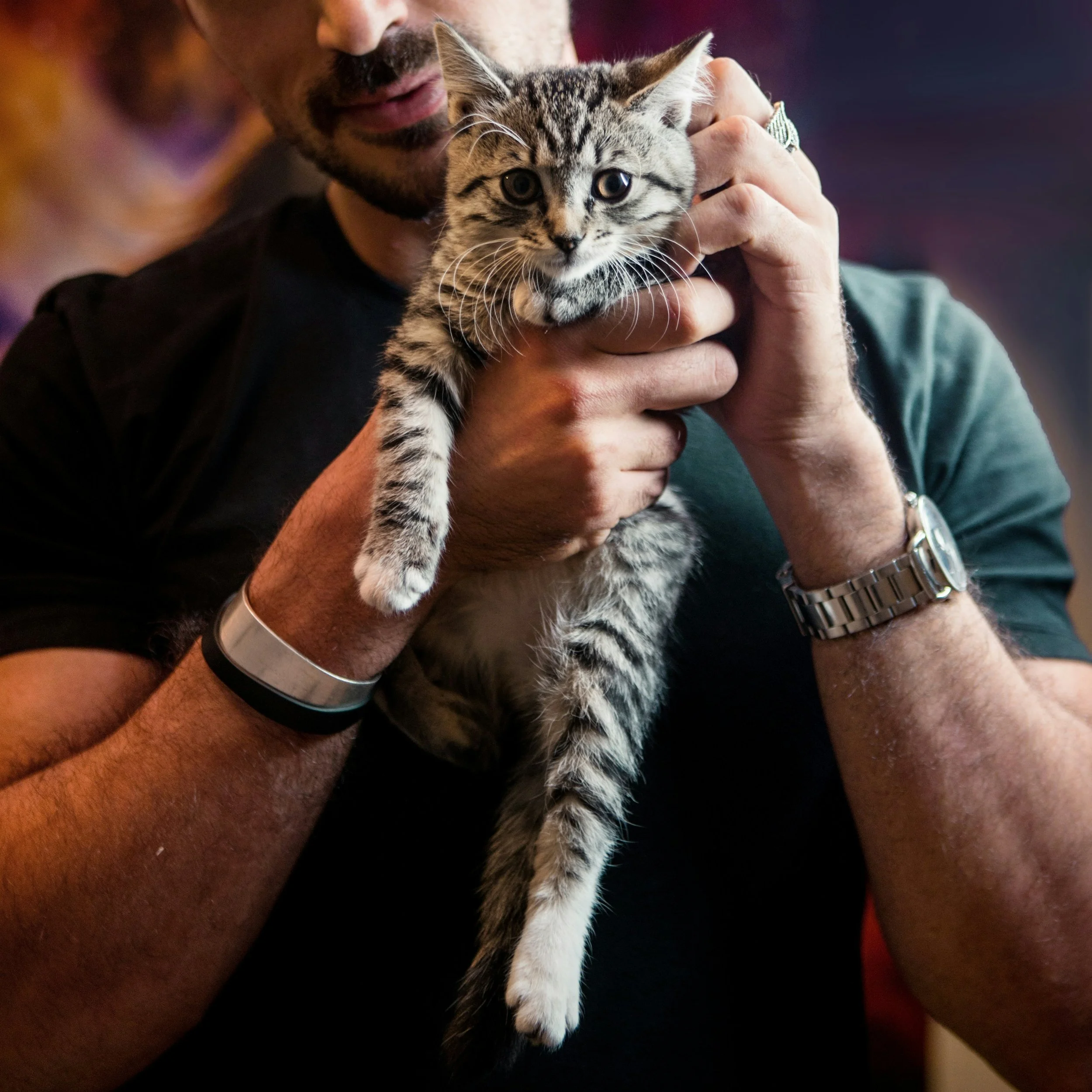
Cats evolved to hide pain. In the wild, an animal that limps becomes prey. That instinct survives in your housecat. By the time you notice obvious limping or vocalization, your cat has often been managing discomfort for months. The early signs are subtle — and they are easy to chalk up to aging.
Watch for these signs:
• Reluctance to jump up or down from furniture or windowsills they used to favor
• Stiffness in the first few minutes after waking from a long sleep
• Less grooming, especially of the back end and the lower back
• Avoiding the litter box (often linked to pain on entry/exit, not litter preference)
• Slower or hesitant movement on stairs
• Sleeping more, in fewer locations, often a single chosen spot
• Decreased social engagement — fewer greetings, less play, more isolation
• Shorter outbursts of activity followed by long rest periods
• Subtle weight gain (less movement) or weight loss (less appetite from chronic pain)
Any one of these in isolation could mean nothing. Two or more, especially in a cat over 8, is worth a veterinary conversation. Many of these signs respond well to red light therapy as part of a broader pain management approach.
How to recognize hidden pain in your cat.

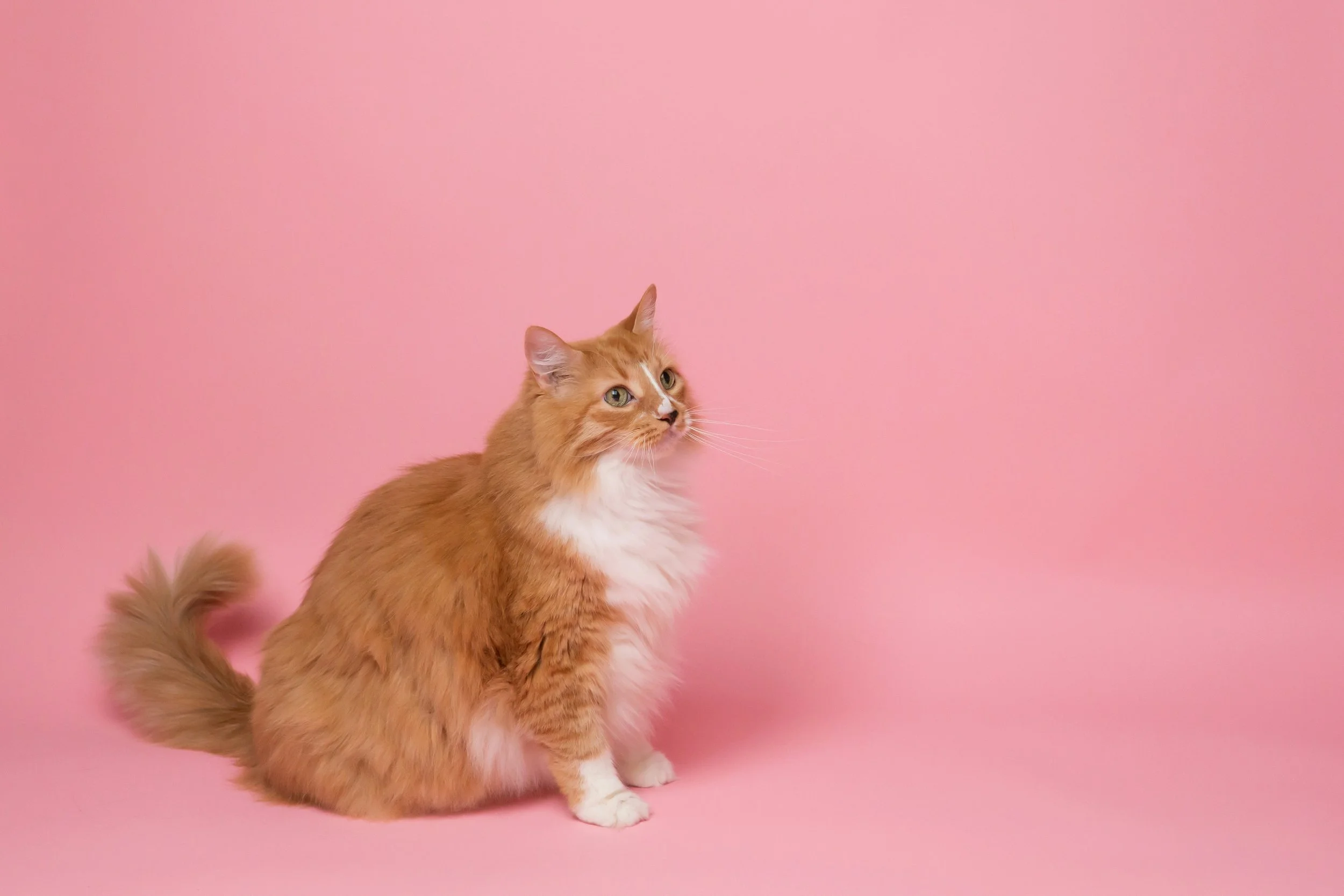
Red light therapy works at the cellular level. The mechanism is identical across mammals — cat cells respond to therapeutic light the same way dog, horse, and human cells do. The clinical name is photobiomodulation (PBM), often also called low-level laser therapy or cold laser therapy.
When red and near-infrared light reach the skin, photons travel through the outer tissue and are absorbed by structures inside the cell called mitochondria. Mitochondria produce ATP — the energy molecule every cell uses for repair and function. Red and near-infrared wavelengths stimulate the mitochondria to produce more ATP, which gives cells more energy to heal. The therapy also triggers the release of nitric oxide, which improves blood flow to the treated area.
In cats specifically, the light penetrates approximately 3.6 millimeters into tissue — enough to reach surface joints, soft tissue, and superficial muscle. Therapeutic wavelengths used on cats include 660nm (visible red, surface tissue) and 810-830nm (near-infrared, deeper tissue). A device combining both gives one session multiple tissue depths.
How red light therapy works on a cat's body.
HOW IT WORKS
Three things happen during every session
Red light therapy works at the cellular level. The mechanism is identical across mammals — dogs, cats, horses, and humans respond to therapeutic light the same way. In dogs, light penetrates up to 14mm of tissue depth, enough to reach hips, elbows, knees, shoulders, and the lumbar spine.
1
Cellular energy production rises
Mitochondria absorb red and near-infrared photons and respond by producing more ATP — the energy molecule cells use for repair, regeneration, and waste removal. Damaged cells get more fuel to do repair work.
↑ ATP production
2
Local blood flow improves
The therapy triggers nitric oxide release, a signaling molecule that widens local blood vessels. More oxygenated blood reaches the treated tissue, and inflammatory waste products clear faster.
↑ Nitric oxide release
3
Inflammation decreases
Inflammatory cytokines reduce in the treated area. Most dogs feel a gentle warming sensation and many fall asleep mid-session. No pain, no smell, no recovery time afterward.
↓ Inflammation markers

Conditions red light therapy can help cats with.
Veterinary photobiomodulation research and clinical use support red light therapy for several conditions in cats:
Arthritis and degenerative joint disease. The most prevalent application. The 2011 Journal of Feline Medicine and Surgery study documented arthritis in 61 percent of cats over 6 and 82 percent over 14. A 2016 study using 810nm light therapy showed significant pain reduction and improved movement in older cats with chronic arthritis after 4 weeks of treatment.
Hip dysplasia and IVDD. Cats can develop hip dysplasia and intervertebral disc disease, though both are diagnosed less often than in dogs because cats hide the symptoms. Red light therapy supports nerve recovery and reduces local inflammation in both conditions.
Wound healing and post-surgical recovery. Spay/neuter incisions, dental extractions, fracture repairs, and abscess wounds (common in outdoor cats) all heal faster with consistent red light therapy. The Brazilian Journal of Veterinary Medicine reported cats with severe skin infections healing up to 80 percent within 10 days of treatment.
Hot spots and dermatitis. Feline acne, chronic dermatitis, and hot spots respond to red light therapy through accelerated collagen production and reduced inflammation. The therapy works alongside topical or systemic treatment, not instead of it.
Gingivitis and stomatitis. Photobiomodulation has documented anti-inflammatory effects in feline oral disease. While red light therapy is not a standalone treatment for severe stomatitis, it can be a useful adjunct in a multi-modal pain management plan under veterinary guidance.
Senior stiffness and mobility support. Aging cats slow down for many reasons — joint pain, muscle loss, reduced circulation. Daily sessions help with all three. Many owners use red light therapy as part of senior wellness, not waiting for a specific diagnosis.
Reduced medication dependence. Cats tolerate fewer pain medications than dogs do. NSAIDs are more dangerous, opioids have shorter half-lives, and many useful options for dogs are toxic to cats. Red light therapy is one of the few options that is genuinely safe and useful for feline pain management.
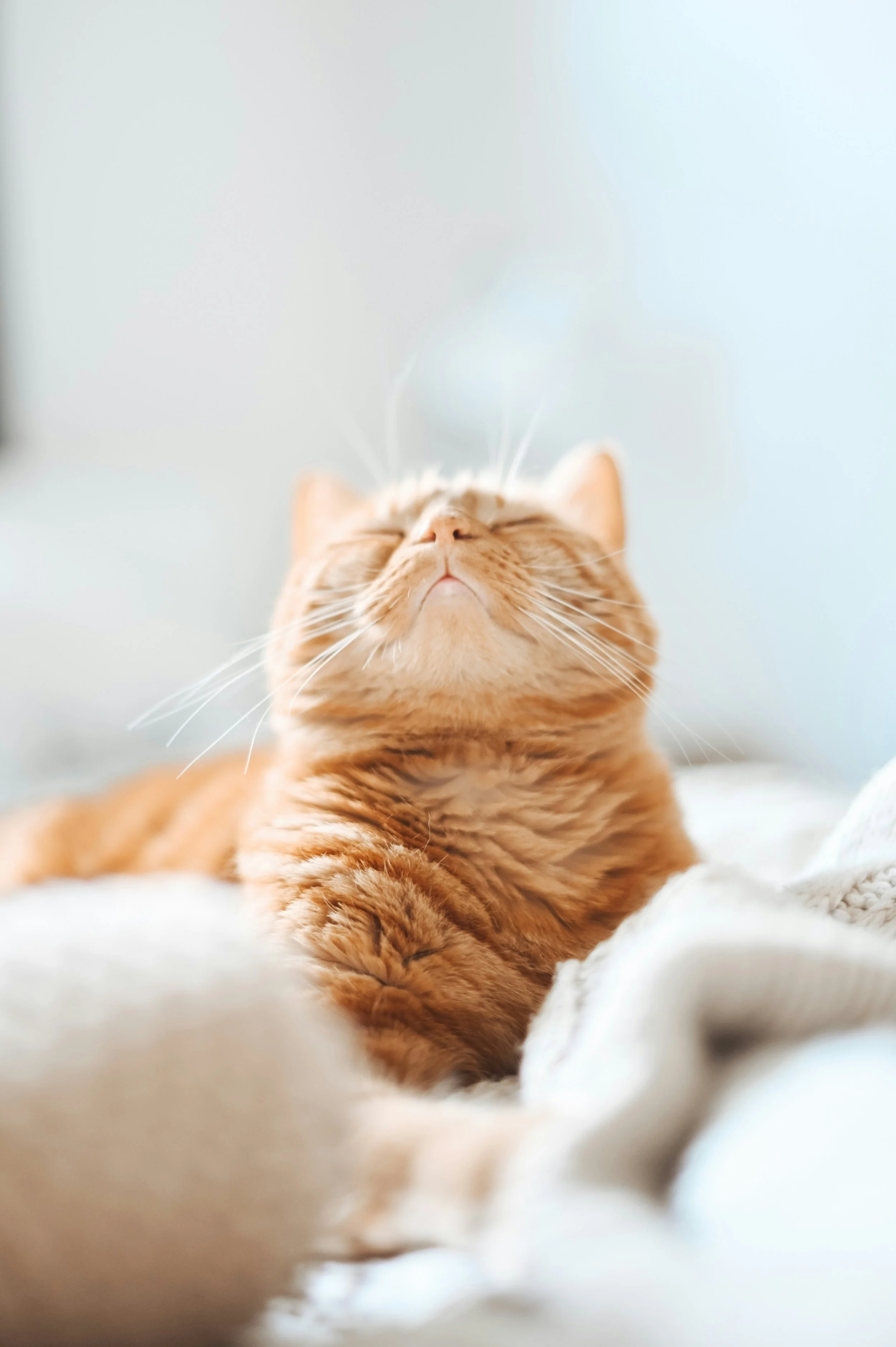
Cat-specific veterinary photobiomodulation research.
Veterinary photobiomodulation research is more developed for dogs than for cats — but the evidence base for cats is meaningful and growing. The most influential paper on feline pain context is the 2011 study published in the Journal of Feline Medicine and Surgery, which documented arthritis in 61 percent of cats over 6 and 82 percent of cats over 14 — most undiagnosed. That single finding reframes the question of whether your aging cat needs help.
Specific to red light therapy: a 2016 study using 810nm wavelength laser therapy showed significant pain reduction and improved movement in older cats with chronic arthritis after 4 weeks of consistent sessions. The Brazilian Journal of Veterinary Medicine documented cats with severe skin infections healing up to 80 percent within 10 days of red light treatment. The Open Veterinary Journal published a case study of a cat with chronic pain and delayed bone healing who showed remarkable improvement after 25 laser therapy sessions. The mechanism — photobiomodulation of mitochondria — is species-independent, which means the dog research base also informs cat application as long as dose is adjusted for the smaller body and thinner tissue.

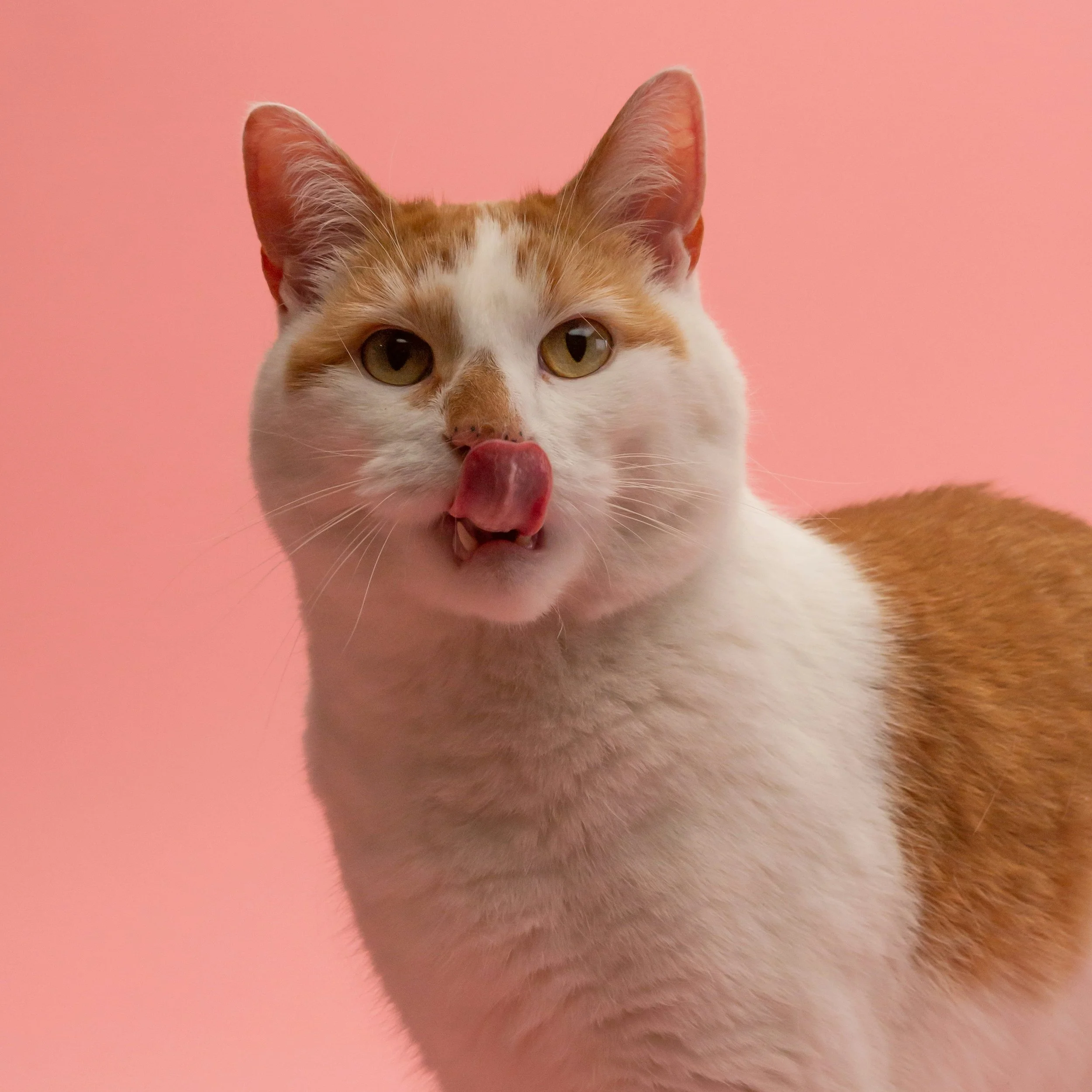
The one strategy that actually works with cats: The pad in their favorite spot.
Here is the strategy that works with cats. Find the spot your cat already loves — a sunny patch on the floor, the corner of the couch they claim, the chair by the window, the foot of the bed where they sleep — and put the red light therapy pad there. Do nothing else.
Within a few minutes, most cats will investigate. Within a few sessions, most cats will choose to lie on the pad voluntarily. The gentle warmth and the familiar location combine into something they want, not something you are doing to them. This is the difference between successful at-home therapy and a pad that sits unused in a closet.
A few practical adjustments make this easier. Layer the pad with a soft blanket or towel they already use — the familiar smell helps. Plug the pad in but leave the timer off until they have settled into the spot. Once they have been on the pad for a minute or two, start the 10-15 minute session. If they leave during the session, let them. The dose they got while they were there still counts. Try again later or tomorrow.
By the third or fourth session, most cats begin to associate the warm spot with comfort. By session ten, many cats will walk over to the pad on their own when it is plugged in. That is the goal. The therapy works best when it becomes part of the cat's daily rhythm rather than a forced event.
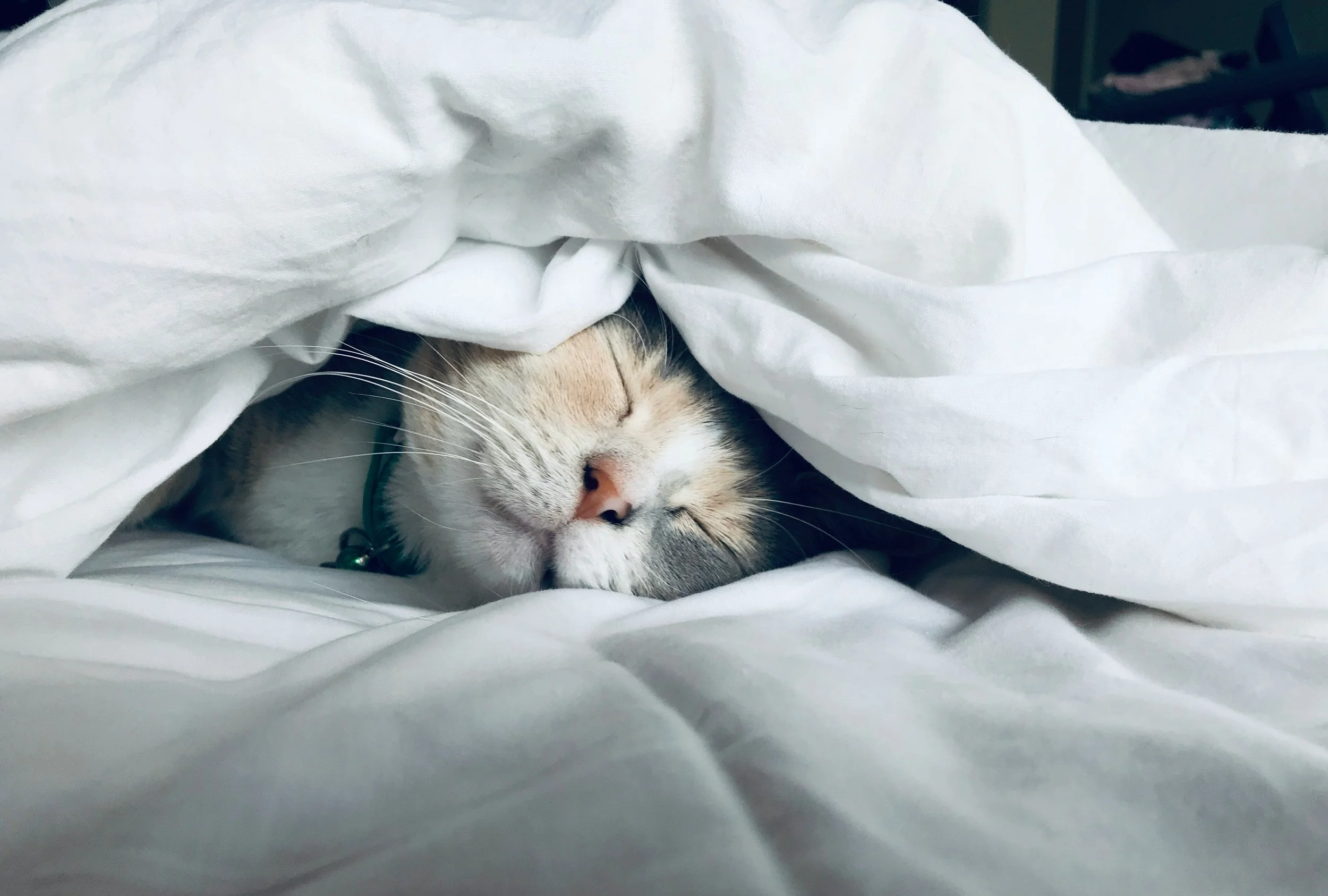
How to choose a eed light therapy sevice for your cat.
For cats, a flexible pad is almost always the right form factor. Wands require holding the device steady on a moving animal — most cats will not tolerate this. Wraps fit dogs better than cats. A pad placed on a familiar surface lets the cat self-select.
Look for these specifications:
1. Wavelengths. 660nm red and 850nm near-infrared is the standard therapeutic pair. Some cat-specific protocols also use 810-830nm. The Red Light Pet Mat from Red Light Wellness uses 660nm and 850nm.
2. Low-EMF, low-heat operation. Cats are sensitive to electromagnetic fields and to heat. Look for devices that explicitly run cool. The pad should feel slightly warm to the touch, never hot.
3. Reasonable size. A 16 by 7 inch pad covers a cat's body fully — back, hip, and shoulder in one position. Larger panels can overwhelm a cat. Smaller handhelds require holding.
4. Built-in timer. 10-20 minutes is the cat session range. A built-in timer lets you walk away. The Red Light Pet Mat has a 20-minute timer with auto-shutoff.
5. Certifications. FDA registration, CE marking, RoHS compliance. Standard manufacturing safety standards.
The same pad you might use on a dog or yourself can work for a cat — the wavelength science is the same. The Red Light Pet Mat is sized for both and runs at 140 mW/cm² irradiance, which delivers a clinical-grade dose in standard session lengths.

Treatment frequency and multi-cat households.
For chronic conditions like arthritis, daily 10-15 minute sessions deliver the cumulative dose that drives results. For acute issues like a healing wound or a hot spot, once or twice daily during the active healing window. For senior wellness without a specific diagnosis, 3-5 sessions per week is sufficient.
In multi-cat households, the practical question is whether each cat will get their fair share. The pad-in-favorite-spot strategy helps here too — different cats often have different favorite spots, so the pad can rotate. Some cats will share. Others will not. Watch what happens. A cat who consistently loses access to the pad to a more dominant cat is not getting the therapy. The simplest fix is a second pad in a second favored location, or rotating the pad on a schedule between cats.
What red light therapy cannot do for your cat.
Honest expectations matter. Red light therapy is not a cure-all.
It will not reverse advanced arthritis or rebuild lost cartilage. It will not eliminate the need for veterinary diagnosis and care. It is not a treatment for severe stomatitis, advanced kidney disease, or hyperthyroidism — though it may help with comfort alongside primary medical treatment for those conditions. It does not work overnight; chronic conditions typically take 2-4 weeks of consistent daily sessions before owners notice meaningful change.
What it does is well-defined: it supports the body's repair mechanisms, reduces inflammation, improves blood flow, eases pain, and accelerates healing. For a species that hides pain and tolerates few medications, that combination is unusually valuable. If your cat has a serious medical condition, red light therapy belongs alongside veterinary care, not in place of it.
Frequently asked questions about red light therapy for cats.
-
Yes. The 2016 study using 810nm light therapy showed significant pain reduction and improved movement in older cats with chronic arthritis after 4 weeks. The mechanism (photobiomodulation of mitochondria) is species-independent, so the dog and human research base also applies. Cats need shorter sessions and adjusted protocols, but the results are real.
-
10-15 minutes per session is typical. Cats are smaller and have thinner skin than dogs, so the same dose lands faster. Start with 5-10 minutes for the first few sessions to let the cat acclimate, then work up to 10-15 minutes daily.
-
Red light therapy itself is generally safe alongside medical management of these conditions, but you should confirm with your veterinarian. The therapy is not a treatment for kidney disease or hyperthyroidism. It can support comfort and mobility while primary medical care addresses the underlying condition.
-
This is the most common challenge. The fix is patience and placement. Put the pad in a spot the cat already loves (sunny window, favorite chair, foot of the bed). Layer it with a familiar blanket. Don't force contact. Most cats will choose the pad voluntarily within 3-5 sessions once they associate the spot with the warmth.
-
Yes. The wavelength science is identical. Cats need shorter sessions (10-15 minutes vs 20 for dogs) but the same device works for both. A 16 by 7 inch pad covers a cat's body fully and treats specific areas on a larger dog.
-
Skip direct treatment over known tumors without veterinary approval. Avoid the eyes. Skip if your cat is on a photosensitive medication unless your vet confirms it is safe. Pregnant cats are typically advised to skip until kittens are weaned (research on pregnancy is limited).
-
Cat fur is generally short and fine enough that wavelengths penetrate well to underlying tissue. Direct skin contact (against the belly or inner thigh) delivers more dose, but most cats won't tolerate that — and through-the-coat dosing on a relaxed cat is still therapeutic over time.
-
Acute issues like minor wounds typically improve within 3-7 days. Chronic conditions like arthritis usually take 2-4 weeks of daily sessions before owners notice meaningful changes. With cats, the early signs of improvement are often subtle — a cat returning to a favorite jumping spot, more grooming of the back end, easier movement on the stairs.

Bringing red light therapy home for your cat.
Cats deserve the same evidence-based pain support that dogs and humans have access to. The veterinary research is real, the technology is now accessible at home, and the species-specific challenges (cats hide pain; cats decide where they spend time) are solvable with the right device and the right approach.
If your cat is jumping less, grooming less, sleeping more in one spot, or hesitating on the stairs, red light therapy is worth adding to the daily routine — alongside your veterinarian's guidance. The earlier you start, the more good days you add.
The Red Light Pet Mat from Red Light Wellness is built for at-home daily use. A 16 by 7 inch flexible pad. 120 LEDs. Dual 660nm and 850nm wavelengths. 140 mW/cm² irradiance. A 20-minute timer with auto-shutoff. Place it in your cat's favorite spot. Let them come to it. The therapy follows from there.
Help your cat move and rest more comfortably with daily, drug-free red light therapy at home.
This article is for educational purposes and does not replace professional veterinary advice. If your pet has a diagnosed condition or is on medication, consult your veterinarian before adding red light therapy to their care routine.