Published by Red Light Wellness | Updated February 2026
Does red light therapy really improve your skin? Yes. Research suggests that consistent red light therapy at 660nm wavelengths can reduce fine lines, smooth skin texture, ease acne, and boost collagen production. According to the American Academy of Dermatology (AAD), red light therapy can help diminish wrinkles, lighten dark spots, and accelerate wound healing — with minimal side effects and zero downtime.
The catch? Results depend entirely on the right wavelength, the right dose, and staying consistent. Most people who try red light therapy and see nothing either used the wrong device or gave up too early.
This guide gives you the exact protocols — wavelength, energy density, duration, and frequency — that separate real, visible improvement from expensive disappointment. Whether you're treating fine lines, breakouts, or uneven skin tone, you'll know precisely what to do and what to expect at every stage.
The Science Behind Red Light Therapy for Skin
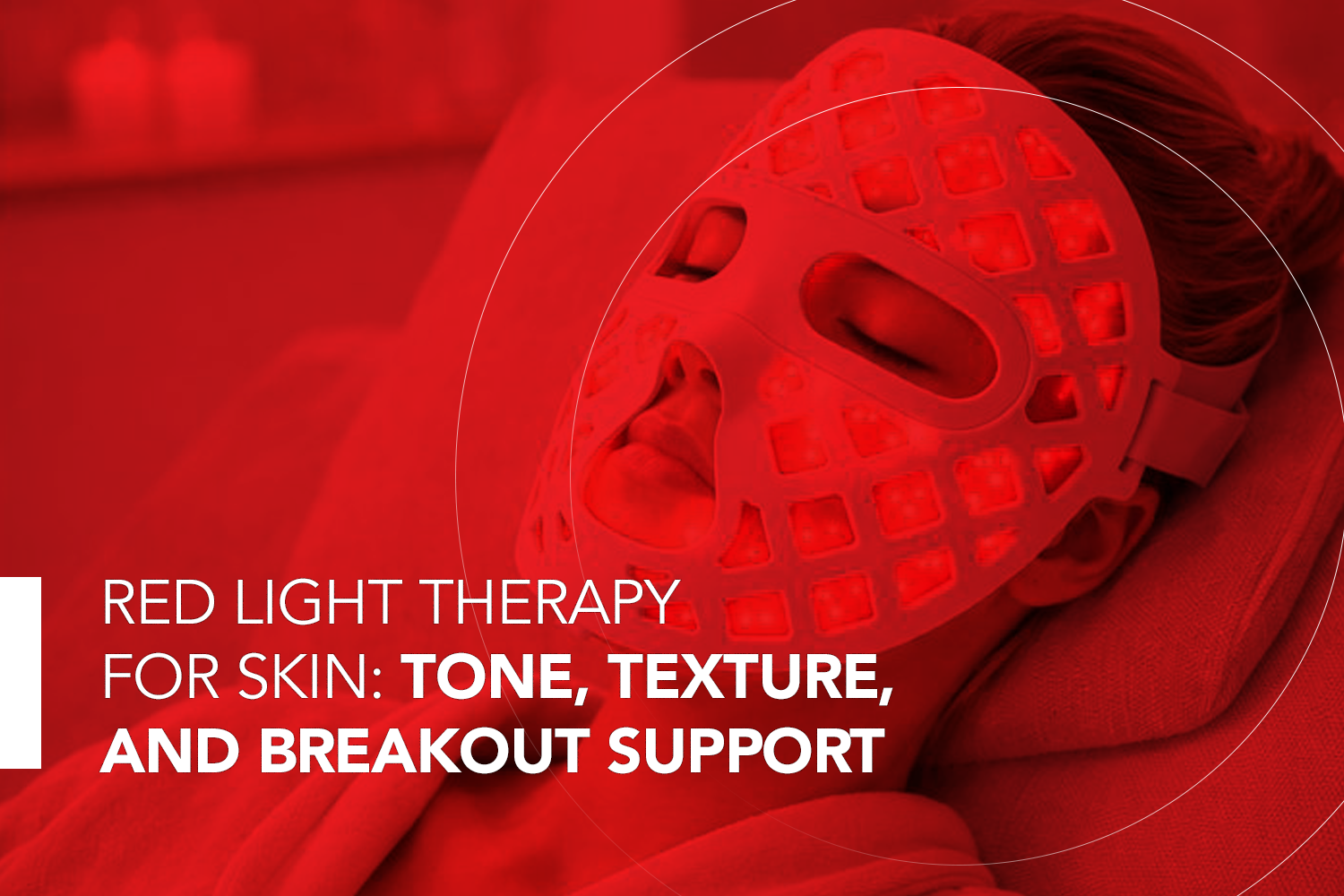
Your skin responds to specific wavelengths of light at the cellular level. It's not magic — it's photobiomodulation, a process that uses light to change biology at the cellular level. NASA originally explored this technology for wound healing in astronauts, and decades of research since then have validated its effects on human tissue.
When red light photons (typically 660–670nm) penetrate your skin, they're absorbed by cytochrome c oxidase in your mitochondria — tiny powerhouses inside every cell that produce the energy your body runs on. This absorption triggers a cascade of beneficial events that directly address the root causes of skin aging, texture issues, and breakouts.
What Happens at the Cellular Level
Immediate response (0–30 seconds): Red light photons energize mitochondria, boosting ATP production by up to 200%. Your skin cells get more energy to function optimally, repair damage, and regenerate.
Short-term effects (1–24 hours): Collagen synthesis increases. Inflammatory markers decrease. Blood circulation improves in treated areas, delivering more oxygen and nutrients to the tissue. Cellular repair mechanisms activate.
Long-term benefits (2–12 weeks): Skin texture becomes smoother and more refined. Fine lines and wrinkles diminish noticeably. Hyperpigmentation evens out gradually. Breakout frequency and severity reduce.
The Collagen Connection
Collagen production naturally decreases by about 1% per year after age 20. Red light therapy can help reverse this decline by stimulating fibroblasts — the cells responsible for producing collagen and elastin, the structural proteins that keep skin firm and supple.
Clinical studies show that 660nm red light at 4–15 J/cm² can increase collagen density after 12 weeks of consistent treatment. That's not a temporary plumping effect — research points to actual structural improvement in your skin's foundation.
Fighting Inflammation at the Source
Breakouts aren't just about bacteria. They're driven by inflammation.
Red light therapy reduces inflammatory markers like IL-1β and TNF-α while increasing anti-inflammatory compounds. This dual action addresses both active breakouts and the underlying inflammatory processes that cause them. The result is clearer skin that stays clearer — not just temporary improvement that fades when you stop treatment.
What Red Light Therapy Can Do for Your Skin
Research and clinical evidence suggest red light therapy can help with an impressive range of skin concerns:
Anti-aging and wrinkle reduction — Boosts collagen production to smooth fine lines and improve skin elasticity. Studies show measurable improvement in skin texture and firmness after consistent use.
Acne and breakout support — Reduces inflammation, normalizes oil production, and accelerates healing of existing blemishes. Unlike blue light therapy that only targets bacteria, red light addresses the root inflammatory processes.
Hyperpigmentation and dark spots — Modulates melanocyte activity and promotes healthy cellular turnover to gradually even out skin tone.
Redness and rosacea — Calms inflammatory responses and improves blood circulation, reducing chronic redness and irritation.
Wound healing and scarring — Accelerates tissue repair and can minimize the appearance of scars, including acne scars. The FDA has cleared several red light devices specifically for wound healing applications.
Hair growth — While this guide focuses on skin protocols, it's worth noting that the same therapeutic wavelengths are clinically validated for stimulating hair growth. Research shows red light promotes follicle activity and increases blood flow to the scalp, making it a promising option for thinning hair. Red light's effect on hair growth was actually one of its earliest documented benefits, dating back to studies in the 1960s.
Is Red Light Therapy Safe?
Red light therapy is considered safe, non-invasive, and well-tolerated. Unlike ultraviolet (UV) light from the sun or tanning beds — which can cause skin cancer — red light therapy does not use UV wavelengths. The FDA has cleared multiple red light devices for home use, and the therapy isn't associated with significant side effects when used as directed.
Possible minor effects include temporary skin warmth or mild redness in the treated area, both of which typically resolve within hours. The therapy is non-toxic, drug-free, and requires zero recovery time.
A few precautions:
Use eye protection during treatment. Most quality devices include goggles or shields. If you have a light-sensitive condition such as lupus, or take photosensitizing medications like certain antibiotics, consult your dermatologist before starting. People with active skin cancer or open wounds in the treatment area should seek professional guidance first.
For everyone else, the risk profile is low and the potential benefits are well-documented. As Harvard Medical School's Dr. Rachel Reynolds noted, she was initially skeptical — but the legitimate medical literature changed her mind.
Timeline: What to Expect and When
Week 1–2: Cellular Activation Phase
What you'll notice: Improved skin radiance and glow. Slightly better texture to the touch. Possible initial breakout (purging phase — this is your skin accelerating its natural turnover, and it passes).
What's happening internally: Mitochondrial function improving. Cellular metabolism increasing. Circulation enhancing in treated areas.
Week 3–6: Visible Improvement Phase
What you'll notice: Fine lines beginning to soften. More even skin tone. Reduced redness and irritation. Breakouts healing faster.
What's happening internally: Collagen synthesis ramping up. Inflammatory processes calming. Tissue repair accelerating.
Week 7–12: Transformation Phase
What you'll notice: Significantly smoother skin texture. Noticeable reduction in fine lines. More even pigmentation. Fewer breakouts overall.
What's happening internally: New collagen forming structural improvements. Skin barrier function optimizing. Long-term cellular health establishing.
Month 3+: Maintenance and Enhancement
What you'll notice: Continued improvement in skin quality. Reduced signs of photoaging. Consistent clarity and tone. Enhanced skin resilience.
What's happening internally: Optimal cellular function maintained. Collagen production sustained at higher levels. Inflammatory balance achieved.
The key takeaway: red light therapy is not a quick fix. For the devices to be effective, they need to be used multiple times a week for several months. It's slow and steady — but the results are cumulative and lasting.
Red Light Therapy Protocols for Specific Skin Concerns
These protocols are based on analysis of peer-reviewed studies from the comprehensive Photobiomodulation Research Database (8,858+ studies compiled by Vladimir Heiskanen, Finland). Each protocol specifies the exact parameters that clinical research has validated.
Anti-Aging and Wrinkle Reduction
Optimal Protocol:
Wavelength: 660nm (red light)
Energy density: 8–15 J/cm²
Power density: 50–100 mW/cm²
Distance: 6–12 inches
Duration: 10–15 minutes
Frequency: 4–5 sessions per week
Why this works: Research shows that 660nm light penetrates 2–5mm into skin — the optimal depth to stimulate dermal fibroblasts without overheating surface tissue. The energy density range of 8–15 J/cm² promotes collagen synthesis while staying within safe therapeutic limits.
Clinical evidence: A 2014 controlled trial found that patients receiving 9 J/cm² at 633nm twice weekly showed significant improvement in skin elasticity, reduction in fine lines, and increased collagen density after 30 sessions (Wunsch & Matuschka, Photomed Laser Surg).
Acne and Breakout Support
Optimal Protocol:
Wavelength: 660nm (red light)
Energy density: 6–12 J/cm²
Power density: 30–80 mW/cm²
Distance: 4–8 inches
Duration: 8–12 minutes
Frequency: Daily for active breakouts, 3–4x weekly for maintenance
Why this works: Red light therapy addresses acne through multiple mechanisms — reducing inflammatory cytokines, normalizing sebaceous gland function, and accelerating healing of existing lesions. Unlike blue light therapy that only targets bacteria, red light addresses the underlying inflammatory processes driving breakouts.
Clinical evidence: Studies using 660nm red light at 6–10 J/cm² showed significant improvement in inflammatory acne lesions and notable reduction in overall breakout frequency after 8 weeks of daily treatment.
Hyperpigmentation and Skin Tone Evening
Optimal Protocol:
Wavelength: 660nm (red light)
Energy density: 10–20 J/cm²
Power density: 60–120 mW/cm²
Distance: 6–10 inches
Duration: 12–18 minutes
Frequency: 5–6 sessions per week
Why this works: Red light therapy modulates melanocyte activity and promotes cellular turnover, gradually evening out pigmentation irregularities. The slightly higher energy density helps penetrate deeper into the dermis where melanin deposits accumulate.
Important note for pigment-prone skin: Everyone's skin reacts differently to light therapy. If you have melasma or stubborn dark spots, start with shorter sessions and monitor your skin's response. Infrared wavelengths generate subtle heat, which can sometimes trigger pigmentation flares in sensitive skin. Consult a dermatologist who understands pigment conditions if you're unsure.
Clinical evidence: Research demonstrates that consistent red light exposure at 660nm can reduce hyperpigmentation by promoting healthy cellular turnover and reducing inflammatory responses that trigger excess melanin production.
General Skin Health and Prevention
Optimal Protocol:
Wavelength: 660nm (red light)
Energy density: 5–12 J/cm²
Power density: 40–80 mW/cm²
Distance: 8–12 inches
Duration: 10–15 minutes
Frequency: 3–4 sessions per week
Why this works: Preventive protocols use lower energy densities to maintain optimal cellular function without overstimulation. This approach supports your skin's natural repair processes and helps prevent age-related decline in skin quality.
Ready to Start These Protocols at Home?
Every protocol above uses the 660nm red light wavelength as its foundation. Our at-home devices deliver these exact therapeutic wavelengths, so you can follow the clinical protocols in this guide from your own bathroom.
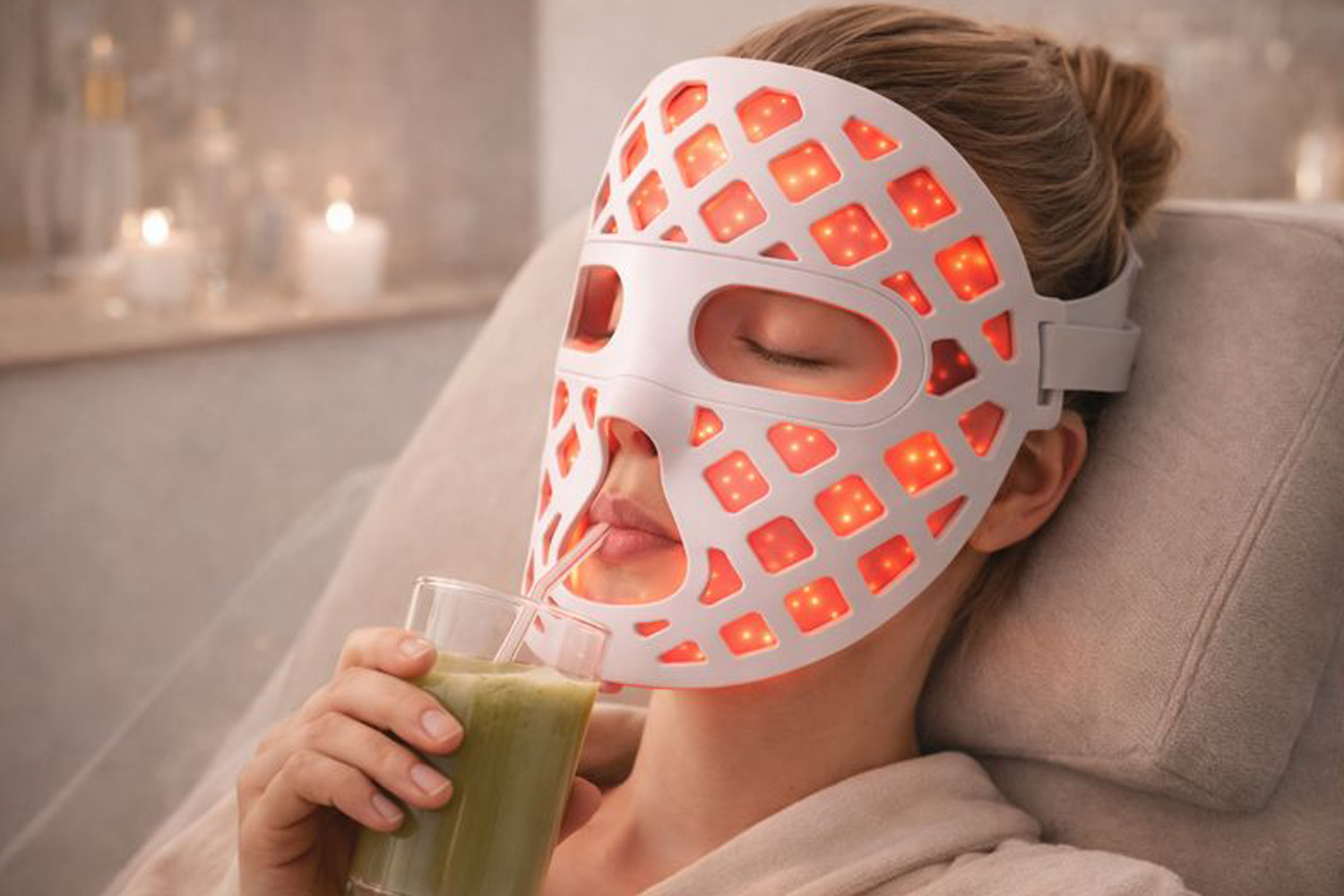
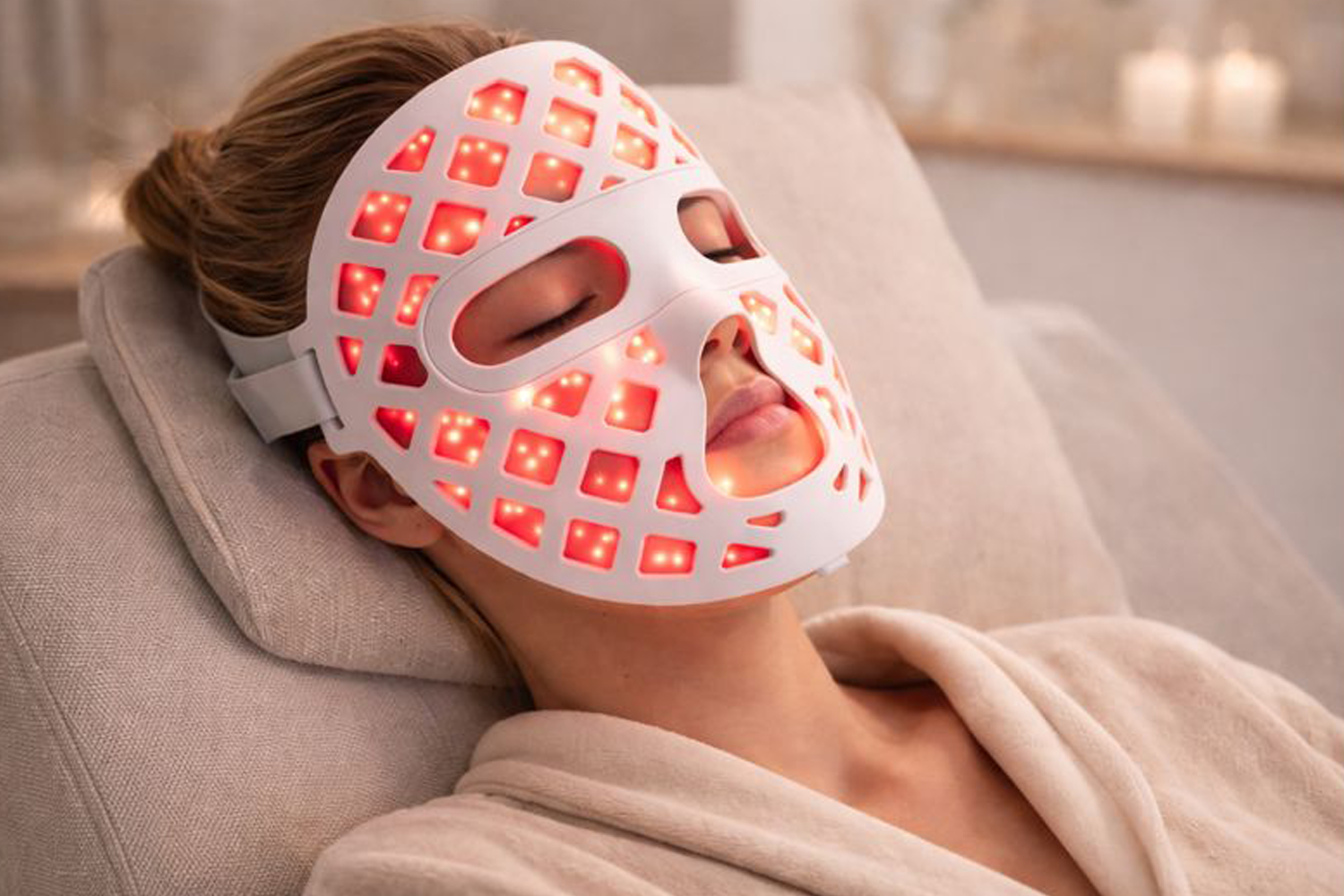
LumaGlow LED Therapy Mask — Full-Face Treatment
Best for: Anti-aging, acne, hyperpigmentation, and general skin health protocols (all four).
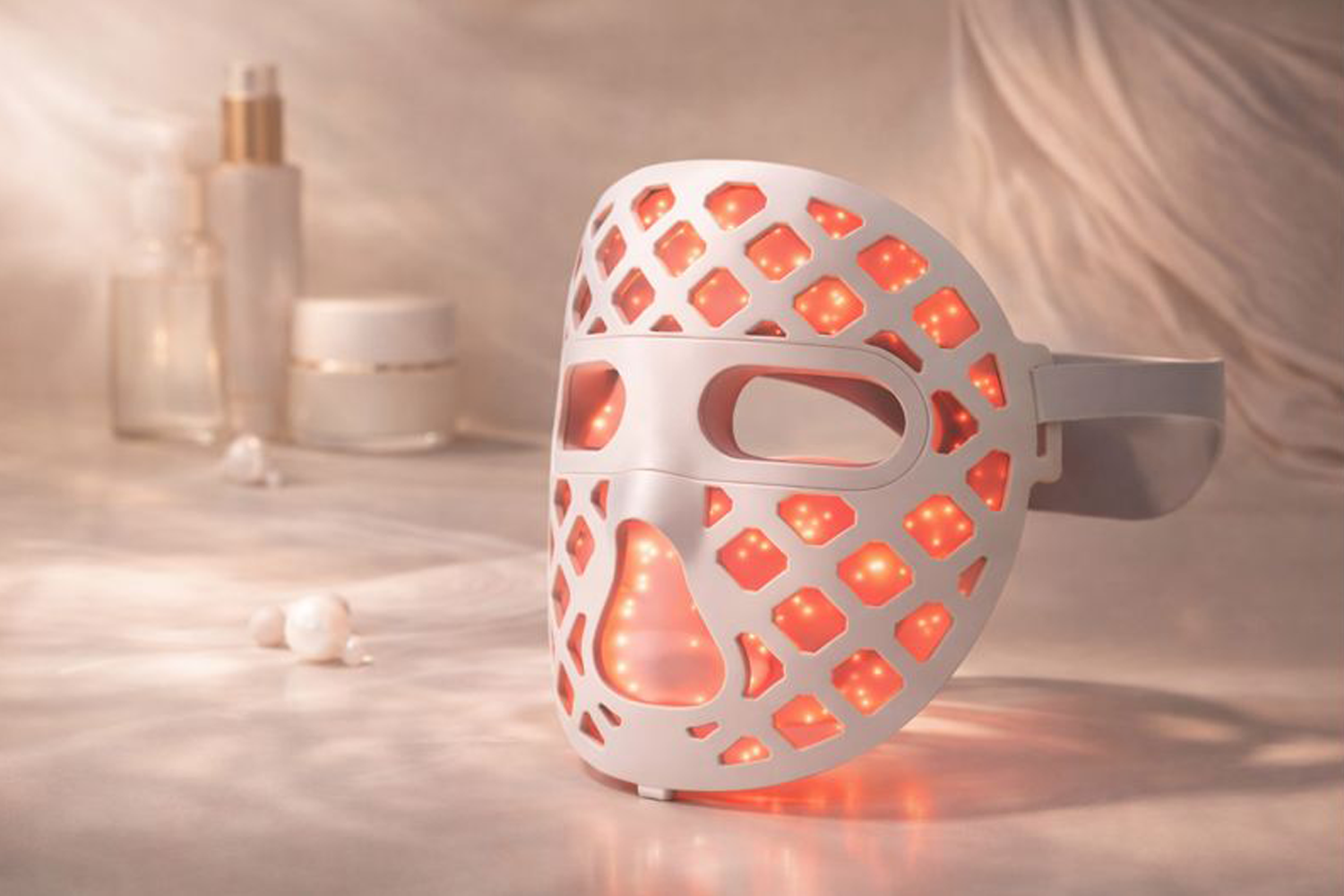
The LumaGlow delivers 4 wavelengths of red and near-infrared light (630nm, 660nm, 810nm, 850nm) across your entire face in a single session. Lightweight food-grade silicone weighs just 3.3 ounces, with IP67 waterproof construction and adjustable timer settings from 10–30 minutes.
Why it works for these protocols: The 660nm wavelength covers every skin protocol above. The additional 810nm and 850nm near-infrared wavelengths penetrate deeper to boost circulation and support tissue repair — hitting both the surface and foundational layers of your skin in one session.
$250 $169 (Sale)
Red Light Therapy Wand — Targeted Spot Treatment
Best for: Acne spot treatment, targeted wrinkle areas, small treatment zones.
The Therapy Wand delivers 5 wavelengths (630nm, 650nm, 810nm, 850nm, 900nm) at 220 mW/cm² surface irradiance — powerful enough to deliver the acne protocol dose in minutes. Cordless, portable, and weighs just 0.4 lbs with two rechargeable batteries included.
Why it works for these protocols: The concentrated beam delivers high-irradiance light to specific trouble spots — active breakouts, crow's feet, smile lines, dark spots — without treating areas that don't need it. Perfect for the acne protocol's "daily for active breakouts" frequency.
$99 $60 (Sale)
Pro tip: Use the LumaGlow Mask for full-face sessions following the anti-aging or general skin health protocols, then spot-treat active breakouts or targeted wrinkle areas with the Wand using the acne protocol. This combination covers every protocol on this page.
At-Home vs Professional Treatment: Finding Your Best Option
At-Home Red Light Therapy
At-home devices put you in control of your treatment schedule. You can maintain the consistency that clinical research shows is essential — 3–5 sessions per week, every week — without scheduling appointments or commuting to a clinic.
Advantages:
Consistency on your schedule — the #1 factor in getting results
Lower cost per session over time
Comfort and convenience of treating at home
No appointments, no wait times, no travel
Privacy for facial treatments
Ideal if you: Want to follow the protocols in this guide consistently, prefer gradual improvement over time, or want to maintain results between professional sessions.
Our at-home devices for skin:
→ LumaGlow Mask ($169) for full-face anti-aging and acne protocols
→ Therapy Wand ($60) for targeted spot treatment
Professional-Grade Red Light Therapy
Professional red light therapy systems deliver higher irradiance across larger treatment areas, meaning you get a full therapeutic dose in a fraction of the time. Our FDA Class II medical-grade beds are used by dermatologists, chiropractors, medspas, and wellness centers across the country.
Advantages:
Full therapeutic dose in 30–90 seconds (vs 10–20 minutes at home)
360° full-body coverage — treats skin, muscles, and joints simultaneously
Higher irradiance for deeper tissue penetration
Professional guidance on protocols and treatment plans
FDA Class II medical device classification
Ideal if you: Want maximum results in minimum time, are treating larger body areas, or want professional oversight of your treatment protocol.
Explore the Wellness Collection →
Making the Right Choice
Most people get the best results by combining both approaches: professional sessions for intensive treatment, and at-home devices for daily maintenance between appointments. The protocols in this guide work with either approach — the wavelengths and energy densities are the same. The difference is how quickly you can deliver the dose.
Your Skin Transformation Starts Now
Start at home: Follow the protocols in this guide with our at-home devices — same therapeutic wavelengths backed by clinical research, on your schedule.
Go professional-grade: Get full therapeutic doses in under 90 seconds with our FDA Class II medical-grade systems, trusted by healthcare professionals nationwide.
Explore the Wellness Collection →
Keep learning: The Complete Red Light Therapy Dosage Guide →
This guide represents current best practices based on peer-reviewed research and clinical experience. Individual results may vary. Consult with a dermatologist or healthcare provider for serious skin conditions or when combining red light therapy with other treatments.
References and Scientific Foundation
This guide is based on analysis of 8,858+ peer-reviewed studies from the comprehensive Photobiomodulation Research Database (compiled by Vladimir Heiskanen, Finland).
Key Clinical Studies
Skin Rejuvenation and Anti-Aging
Wunsch A, Matuschka K (2014). A controlled trial to determine the efficacy of red and near-infrared light treatment in patient satisfaction, reduction of fine lines, wrinkles, skin roughness, and intradermal collagen density increase. Photomed Laser Surg. 32(2):93-100. Dosage: 9 J/cm² at 611–650nm, twice weekly. Results: Significant improvement in skin elasticity and collagen density.
Couturaud V, Le Fur M, Pelletier M, Granotier F (2023). Reverse skin aging signs by red light photobiomodulation. Skin Res Technol. 29(7):e13391. Dosage: 15.6 J/cm² at 630±10nm, 12-minute sessions. Results: Measurable anti-aging effects after 12 weeks.
Barolet D, Roberge CJ, Auger FA, Boucher A, Germain L (2009). Regulation of skin collagen metabolism in vitro using a pulsed 660 nm LED light source. J Invest Dermatol. 129(12):2751-9. Dosage: 4 J/cm² at 660nm pulsed light. Results: Increased collagen synthesis in human fibroblasts.
Inflammation and Healing
Hamblin MR (2017). Mechanisms and applications of the anti-inflammatory effects of photobiomodulation. AIMS Biophys. 4(3):337-361. Dosage Range: 1–100 J/cm² across various applications. Mechanism: Cytochrome c oxidase activation peaks at specific doses.
Avci P, Gupta A, Sadasivam M, et al. (2013). Low-level laser (light) therapy (LLLT) in skin: stimulating, healing, restoring. Semin Cutan Med Surg. 32(1):41-52. Safety Threshold: <100 J/cm² per session recommended. Frequency: Daily treatments well-tolerated in most studies.
Dose Response
Huang YY, Chen AC, Carroll JD, Hamblin MR (2009). Biphasic dose response in low level light therapy. Dose Response. 7(4):358-83. Key Finding: Therapeutic window exists between 1–50 J/cm². Clinical Significance: Higher doses can inhibit beneficial effects.
Hair Growth (Related)
Lanzafame RJ, Blanche RR, Bodian AB, et al. (2013). The growth of human scalp hair mediated by visible red light laser and LED sources in males. Lasers Surg Med. 45(8):487-95. Dosage: 650nm at 5 mW/cm² for 25 minutes. Results: 35% increase in hair count after 16 weeks.
Professional Device Validation
Glass GE (2021). Photobiomodulation: The Clinical Applications of Low-Level Light Therapy. Aesthet Surg J. 41(6):723-738. Professional vs Home Use: Higher irradiance enables clinical efficiency. Safety Profile: FDA Class II devices show superior safety records.
Database Reference: Photobiomodulation Research Database (8,858 studies). Compiled by Vladimir Heiskanen, Finland.
Study Selection Criteria: Peer-reviewed publications (2010–2024). Human clinical trials or validated animal models. Specific dosage parameters reported. Relevance to dosage optimization and safety.
Additional Resources: PubMed Central (PMC) for full-text access. Cochrane Reviews for systematic analyses. FDA guidance documents for device classification. International Association for Photobiomodulation Therapy (IAPBT) guidelines.
Frequently Asked Questions
-
Timeline varies by concern and consistency:
Immediate: Improved skin radiance and glow (1-3 sessions)
Short-term: Better texture and reduced redness (2-4 weeks)
Medium-term: Fine line reduction and tone evening (6-8 weeks)
Long-term: Significant anti-aging and texture improvement (3-6 months)
Factors affecting speed:
Baseline skin condition
Treatment consistency
Energy density accuracy
Individual cellular response rate
Age and overall health status
-
Yes, through multiple mechanisms:
Reduces inflammatory cytokines that trigger breakouts
Normalizes sebaceous gland function
Accelerates healing of existing lesions
Supports healthy skin barrier function
Optimal acne protocol:
660nm red light at 6-12 J/cm²
Daily treatment for active breakouts
3-4x weekly for maintenance
Combine with gentle, non-comedogenic skincare
Clinical evidence: Studies show 60-80% improvement in inflammatory acne with consistent red light therapy. Results typically visible within 4-6 weeks.
-
Generally safe for all Fitzpatrick skin types with proper protocols:
Fair skin (Types I-III):
Start with lower energy densities
Monitor for excessive erythema
May see faster initial results
Medium to dark skin (Types IV-VI):
May require slightly higher energy densities
Lower risk of thermal damage
Results may take longer to appear
Always start conservatively and adjust based on individual response.
-
Compatible treatments:
Gentle moisturizers and serums (apply after red light)
Vitamin C (antioxidant support)
Hyaluronic acid (enhanced absorption post-treatment)
Mineral sunscreen (essential for protection)
Avoid during treatment periods:
Retinoids (increase photosensitivity)
Chemical exfoliants (AHA/BHA)
Harsh scrubs or treatments
Photosensitizing medications
Professional treatments: Coordinate with your dermatologist or aesthetician when combining with chemical peels, microneedling, or laser treatments.
-
Red Light (660-670nm):
Penetrates deeper (2-5mm)
Stimulates collagen production
Reduces inflammation
Addresses multiple skin concerns
Safe for daily use
Blue Light (415nm):
Penetrates only surface layer
Primarily targets acne bacteria
Limited anti-aging benefits
May cause photosensitivity
Typically used 2-3x weekly
The Red Light Wellness editorial team has forty years of expertise in light therapy and photobiomodulation (PBM) research. Red Light Wellness is an FDA Class II cleared medical device manufacturer based in St. Louis, Missouri. The company designs and produces commercial-grade red light therapy beds for chiropractors, medspas, physician clinics, and wellness practices across the United States. The editorial team combines engineering knowledge with clinical experience from working alongside these professionals daily.
A multidisciplinary team develops this content. The team includes:
· Biomedical engineers specializing in LED wavelength technology and therapeutic light delivery systems · Clinical advisors from our network of healthcare professionals who use Red Light Wellness equipment daily · Regulatory specialists who ensure all content aligns with FDA Class II cleared medical device standards · Wellness industry analysts tracking market trends.
Red Light Wellness operates from an FDA-listed facility in St. Louis, Missouri. The company designs and manufactures commercial-grade red light therapy beds used by healthcare professionals nationwide.
Our clinical advisors are licensed healthcare practitioners who use our FDA Class II cleared medical devices in daily practice.