

CAT ARTHRITIS · DAILY AT-HOME PROTOCOL
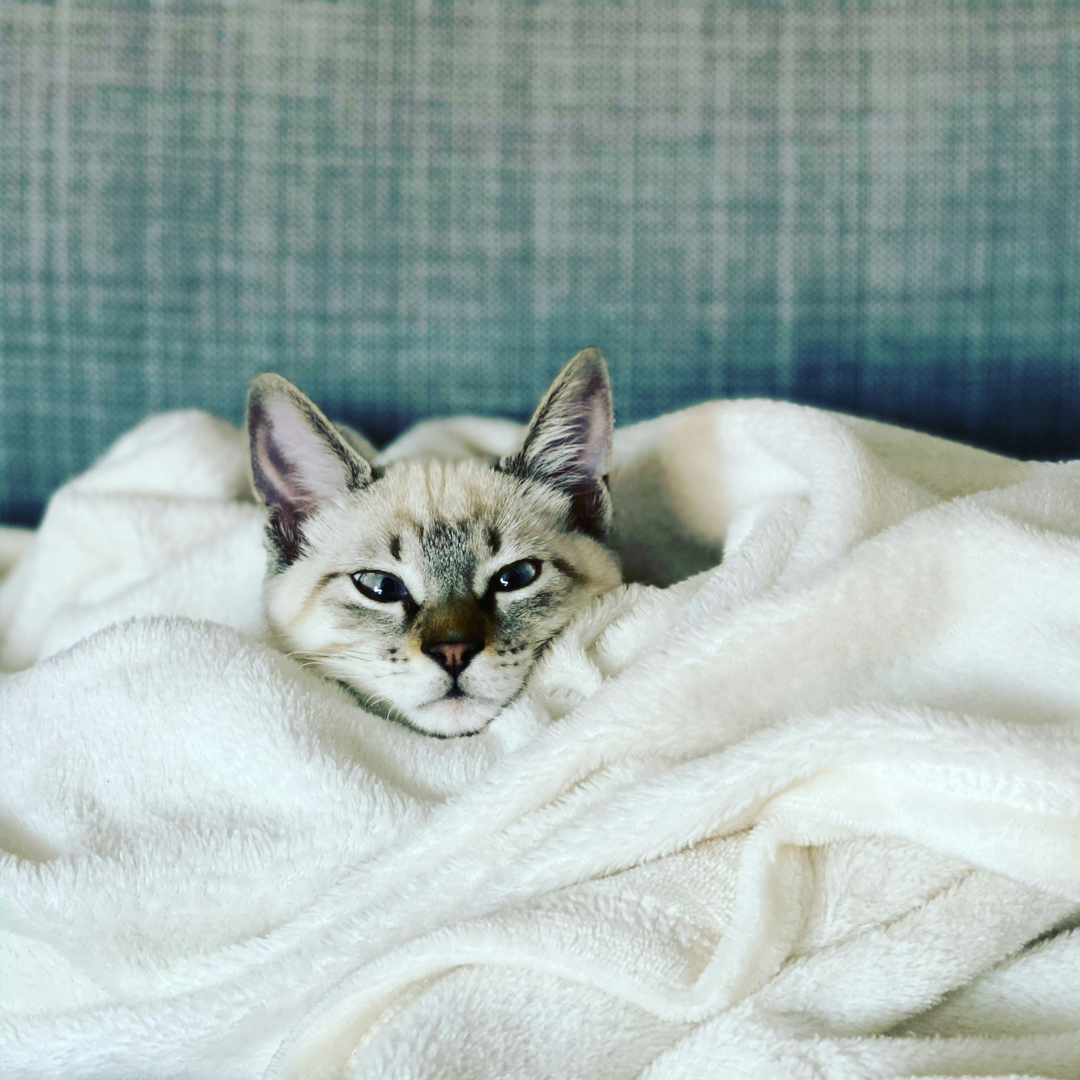
Red light therapy for cats with arthritis: a daily, at-home protocol that works.
If your cat has stopped jumping to her favorite spot, hesitates on the stairs, or has been diagnosed with arthritis, you are not imagining it and you are not late. A 2011 study published in the Journal of Feline Medicine and Surgery found radiographic arthritis in 61 percent of cats over 6 and 82 percent of cats over 14. Most of those cats had never been diagnosed — their owners assumed the slowing was just age.
Red light therapy is one of the few pain-management options that is safe for cats and other pets. Red Light therapy is effective for helping to ease arthritis, and practical to do at home. A 2016 study using 810nm light therapy showed significant pain reduction and improved movement in older arthritic cats after 4 weeks of consistent sessions. This guide walks through the daily protocol, what to expect week-by-week, and how to know it is working.
10–15 min
Daily session
660 + 850 nm
Therapeutic wavelengths
4 Weeks
Meaningful improvement
Drug-free
Save alongsied meds

THE REALITY
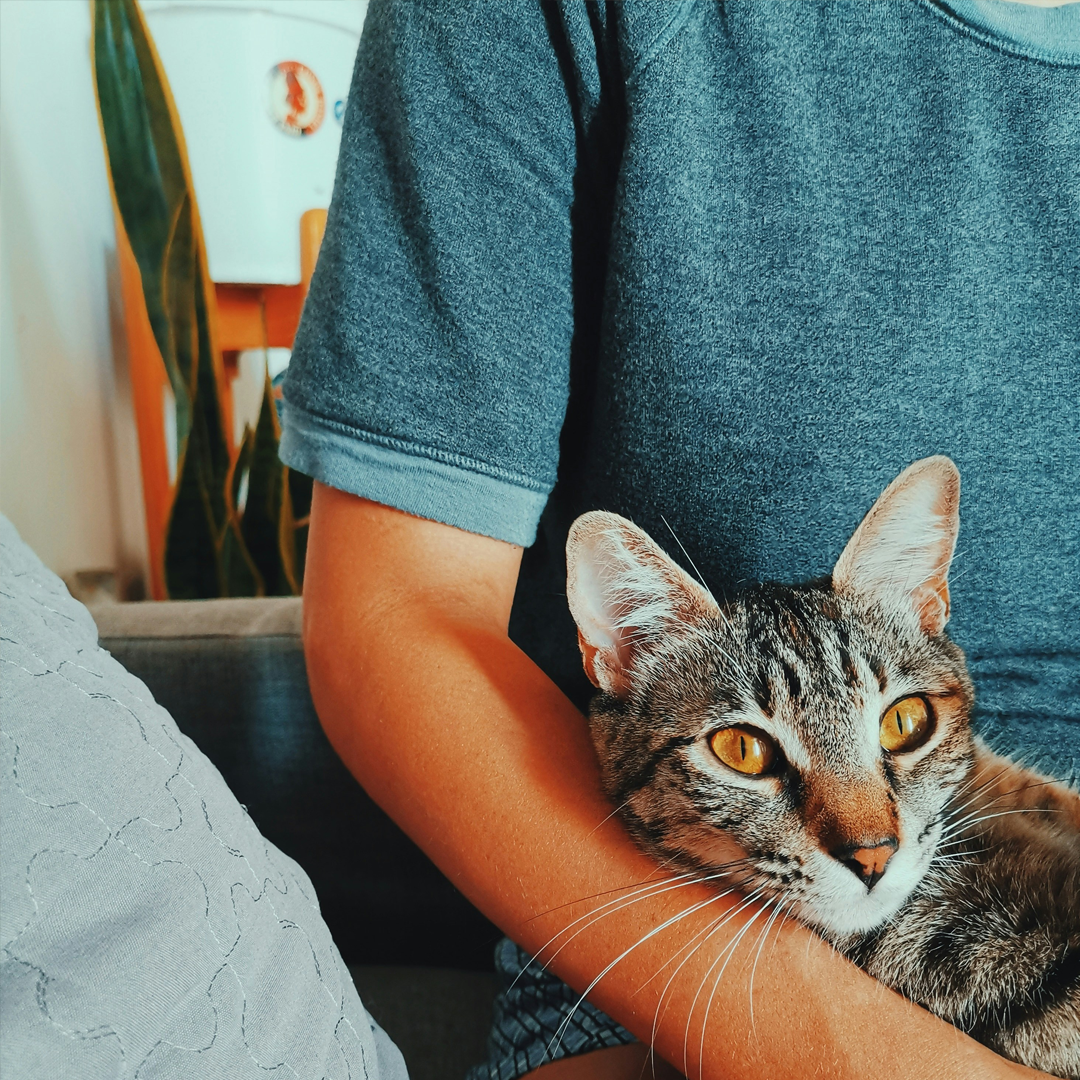
Cat arthritis is far more common than most owners realize
A 2011 study published in the Journal of Feline Medicine and Surgery established the numbers below — and shifted veterinary thinking toward proactive pain management for cats over 8, even without an obvious limp. Most of these cats have never been diagnosed.
61%
of cats over age 6 have radiographic arthritis
Journal of Feline Medicine and Surgery, 2011
82%
of cats over age 14 have radiographic arthritis
Journal of Feline Medicine and Surgery, 2011
Red light therapy is one of the few pain-management options that is safe for cats, effective for arthritis, and practical to do at home. A 2016 study using 810nm light therapy showed significant pain reduction and improved movement in older arthritic cats after 4 weeks of consistent sessions. The red light therapy for cats guide walks through the daily protocol, the timeline, and the tracking method that tells you whether it is working.
HOW IT HELPS
How red light therapy reduces arthritis pain in cats
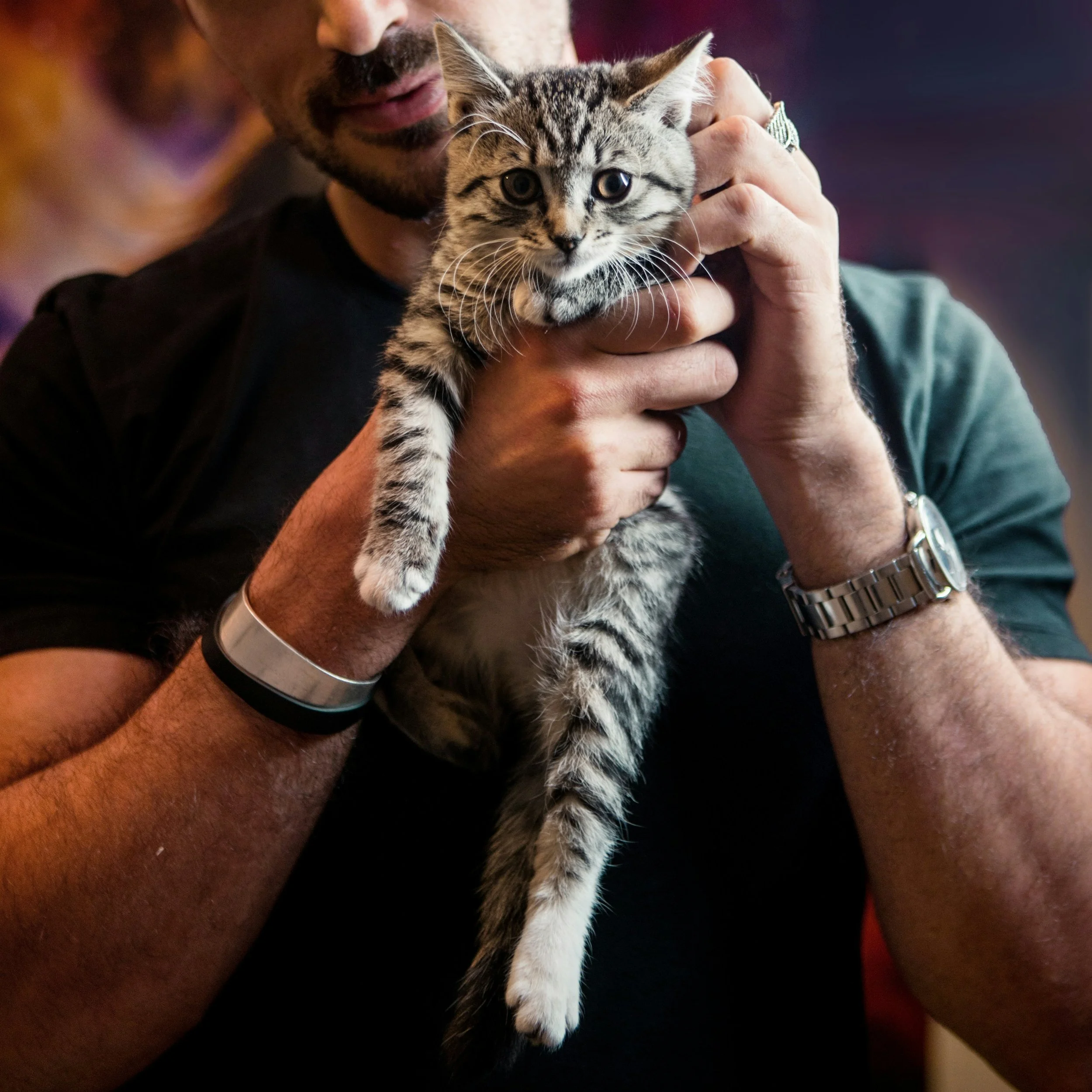
Red light therapy works through three mechanisms that are particularly useful for arthritis. The therapy does not regenerate lost cartilage — it reduces the inflammation and pain that come from joint degeneration, and it gives the surrounding tissue more capacity to support the joint.
Cellular energy rises
Stimulates mitochondria inside cells to produce more ATP — the energy molecule that powers tissue repair. Cartilage cells with more energy can do more repair work.
Inflammation decreases
Reduces inflammation in the joint by modulating inflammatory cytokines and improving local blood flow through nitric oxide release.
Pain transmission drops
Reduces pain signaling at the nerve level — which is why many cats settle and relax during sessions, often falling asleep mid-treatment.
For cats specifically: light penetrates approximately 3.6 millimeters into tissue — enough to reach the joints in the hips, shoulders, knees, and elbows. For most cats with arthritis, the combination of effects produces real, measurable improvement in mobility within 2-4 weeks of consistent daily sessions.

RESEARCH
What veterinary research says about red light therapy for cats
The mechanism (photobiomodulation at the cellular level) is species-independent, so the larger evidence base from canine and human research applies — as long as dose is adjusted for the cat's smaller body. The newer cat-specific research is meaningful and growing.
2011 — JOURNAL OF FELINE MEDICINE AND SURGERY
The Cat Arthritis Prevalence Study
Established that arthritis in cats is far more common — and far more underdiagnosed — than most owners realize. 61% of cats over 6, 82% of cats over 14. This single finding is why veterinary medicine has shifted toward proactive pain management for cats over 8, even without an obvious limp.
2016 — 810NM PHOTOBIOMODULATION STUDY
Cat Arthritis Pain Reduction
Older arthritic cats receiving 810nm light therapy showed significant pain reduction and improved movement after 4 weeks of treatment. The 4-week mark has since become the benchmark for evaluating whether the protocol is working.
OPEN VETERINARY JOURNAL — CASE STUDY
Chronic Pain & Delayed Bone Healing
A cat with chronic pain and delayed bone healing showed remarkable improvement after 25 laser therapy sessions. Demonstrates the cumulative-dose principle: consistency over weeks drives the result, not any single session.
The honest framing: evidence is strong for the mechanism and meaningful for the clinical outcome, with newer research continuing to expand the cat-specific dataset.
DAILY PROTOCOL
The daily at-home protocol for cat arthritis
Cumulative dose drives results. Skipping days slows progress. The protocol below is what works — straightforward, daily, and built around the cat's behavior rather than against it.
Frequency
Daily
Cumulative dose drives results. Skipping days slows progress. Consistency over weeks is the variable that matters most.
Session Length
10–15 minutes
Cats are smaller than dogs and have thinner skin. 10-15 minutes delivers the dose that 20 minutes delivers in a medium dog.
Body Coverage
Hips, lower back, shoulders
Position the pad so these joints are on or near the LEDs. For specific joint diagnoses (hip dysplasia, elbow), focus the pad on that area.
Time of Day
When they're already resting
Whenever your cat is most likely to lie still. Many cats prefer late afternoon or early evening when household activity quiets down.
Wavelengths
660 + 850nm
660nm reaches surface tissue, 850nm penetrates deeper. The Red Light Pet Mat combines both. Avoid devices that only offer one.
Pad Placement
Their favorite spot
Sunny windowsill, favorite chair, foot of the bed. Layer it with a familiar blanket. Do not move them onto the pad — let them choose it.
Duration of Protocol
Indefinite for chronic arthritis
Improvement is maintained while sessions continue. If sessions stop, baseline pain typically returns within 2-4 weeks. Many cats benefit from this routine for the remainder of their lives.
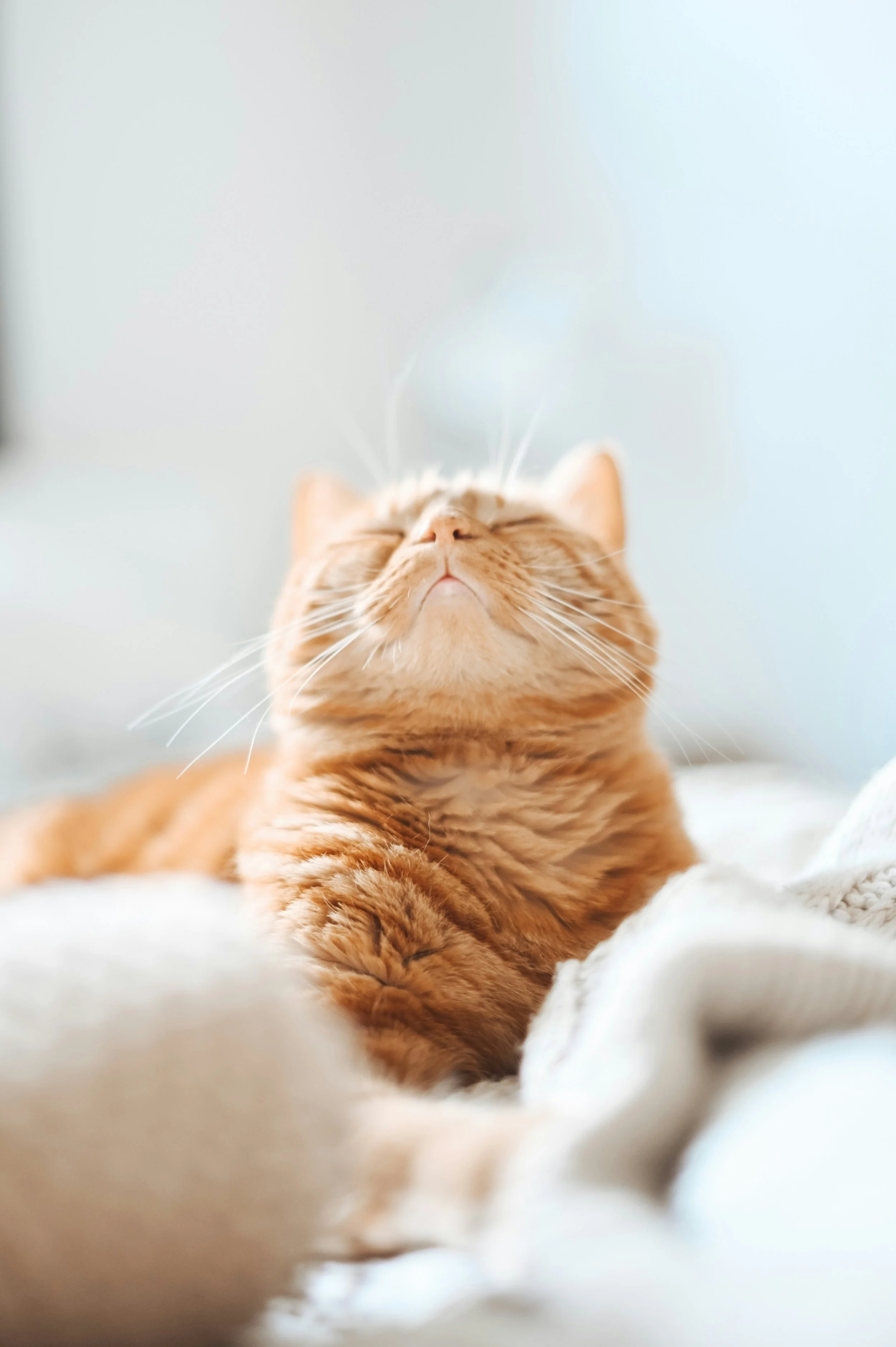
WEEK-BY-WEEK
Setting realistic expectations matters. Most cats follow a predictable trajectory — knowing the timeline keeps you from giving up too early or expecting too much too soon.
What to expect week-by-week
Acclimation
Your cat learns the pad is safe. Most cats begin to choose the pad voluntarily by session 3-5. Treatment dose is accumulating, but visible improvement is rare this early.
Subtle changes
Some owners notice slightly easier movement after sleep, marginally more grooming, or a return to a previously avoided behavior — one jump, a stair, a chair. Not everyone notices anything yet. That is normal.
Patterns emerge
The cat is usually choosing the pad on their own by now. Subtle improvements become more consistent — the pattern starts to feel real rather than coincidental.
Meaningful change
This is when most owners see clear, sustained improvement. The 2016 study at 810nm reported measurable pain reduction at this 4-week mark. Behavioral changes that were marginal in week 2 now feel definite.
Stable improvement
The therapy continues to support the joint — keep going. Many cats reduce (under veterinary guidance) their use of supplemental pain medication during this window.
Maintenance
Daily sessions continue indefinitely. The improvement is held in place by the consistent dose. If sessions stop, baseline pain typically returns within 2-4 weeks.
TRACKING IMPROVEMENT
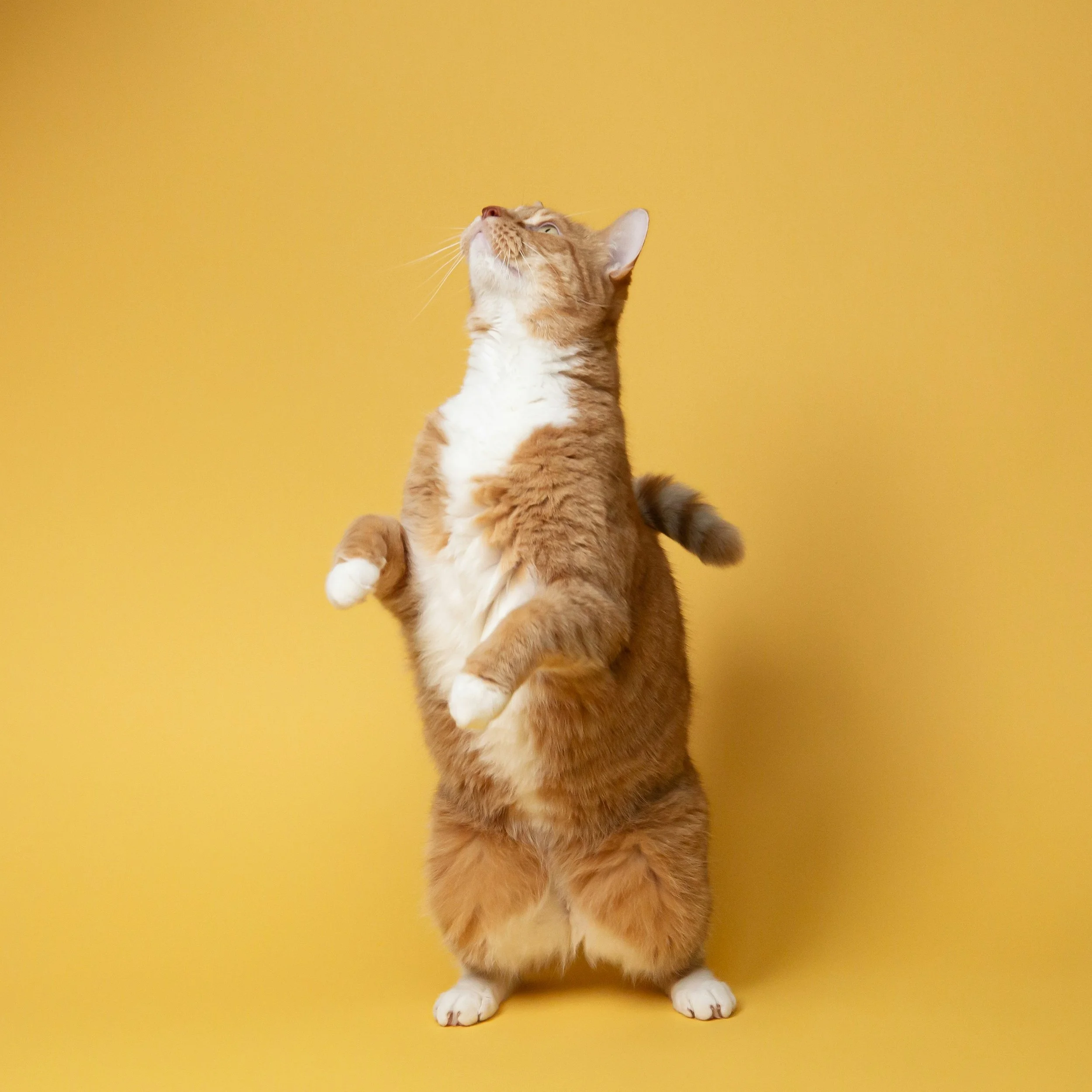
How to tell it's working — tracking improvement in a stoic cat
Cats hide pain and they hide pain relief. Owners often miss improvement because they expect dramatic change. The signs are subtle and they show up in behavior, not in vocalization.
What to watch for
A return to a favorite jumping spot
More grooming of the back end
Longer play sessions
More time in active spaces of the house
Easier movement on the stairs
Fewer stiffness episodes after long naps
Normal litter box use
More social engagement
What you'll likely miss
No dramatic recovery scenes
No verbal pain expressions changing
No "before vs after" obvious moment
No reaction to the pad itself most days
No daily-impression sense of change
No personality shift
No effect on other behaviors
Cats heal quietly. The way you'll know it's working is to track behaviors over weeks — not days.
A practical method: write down 3-5 specific things your cat does or used to do (jumping to the bed, grooming the back end, climbing the cat tree, greeting you at the door). Mark them with a check mark each day if they happened. Over 4-8 weeks, the pattern becomes obvious. This is more reliable than your memory or your daily impression — both of which are easily skewed by your own anxiety about the cat's condition.

WHERE THE PET MAT FITS
The red light pet mat in this protocol
Built for the protocol described above: place it in the cat's favorite resting spot, plug it in, let the cat come to it. The pad shape and size were specifically chosen for this use case.
Red Light Pet Mat
A 16 × 7 inch flexible pad with 120 LEDs, dual 660nm and 850nm wavelengths, 140 mW/cm² irradiance, and a 20-minute timer with auto-shutoff.
Wavelengths
660nm + 850nm
LED count
120 LEDs
Size
16 × 7 inches
Irradiance
140 mW/cm²
Timer
20-minute auto-off
Certifications
FDA · CE · RoHS
The Pet Mat delivers the same wavelength science used in clinical cold laser therapy at the vet — and at home-use cumulative dose, daily sessions outperform weekly clinic visits for chronic arthritis. There are other devices that work for this use case. The Red Light Pet Mat is the one Red Light Wellness designed for it.
$137 Includes 30-day return window
6 frequently asked questions most asked by cat owners
-
Yes. Red light therapy is typically additive to medication, not a replacement. Many cats reduce (but do not eliminate) their pain medication dose after several weeks of consistent therapy. Any change to medication should be discussed with your veterinarian.
-
Place the pad in their favorite resting spot. Let them come to it. Most cats will choose to lie on the pad voluntarily within 3-5 sessions once they associate it with the warm familiar location. Forcing them to stay on it backfires.
-
Red light therapy itself does not interact with CKD or hyperthyroidism, but if your cat is on medications that affect skin sensitivity (some thyroid medications can), confirm with your vet before starting. The therapy supports comfort and mobility but does not treat either condition.
-
Subtle changes by week 2 in some cats. Meaningful, consistent improvement by week 4 in most cats. This matches the 2016 study findings on cat arthritis.
-
Light penetration is reduced through extra body fat, so dose efficacy is slightly lower in obese cats. The protocol still works but improvement may take 6-8 weeks instead of 4. Working with your vet on weight management alongside red light therapy gives the best result.
-
Skip direct treatment over known tumors without veterinary approval. Avoid the eyes. Skip if your cat is on a photosensitive medication unless your vet confirms it is safe. Pregnant cats — wait until kittens are weaned.

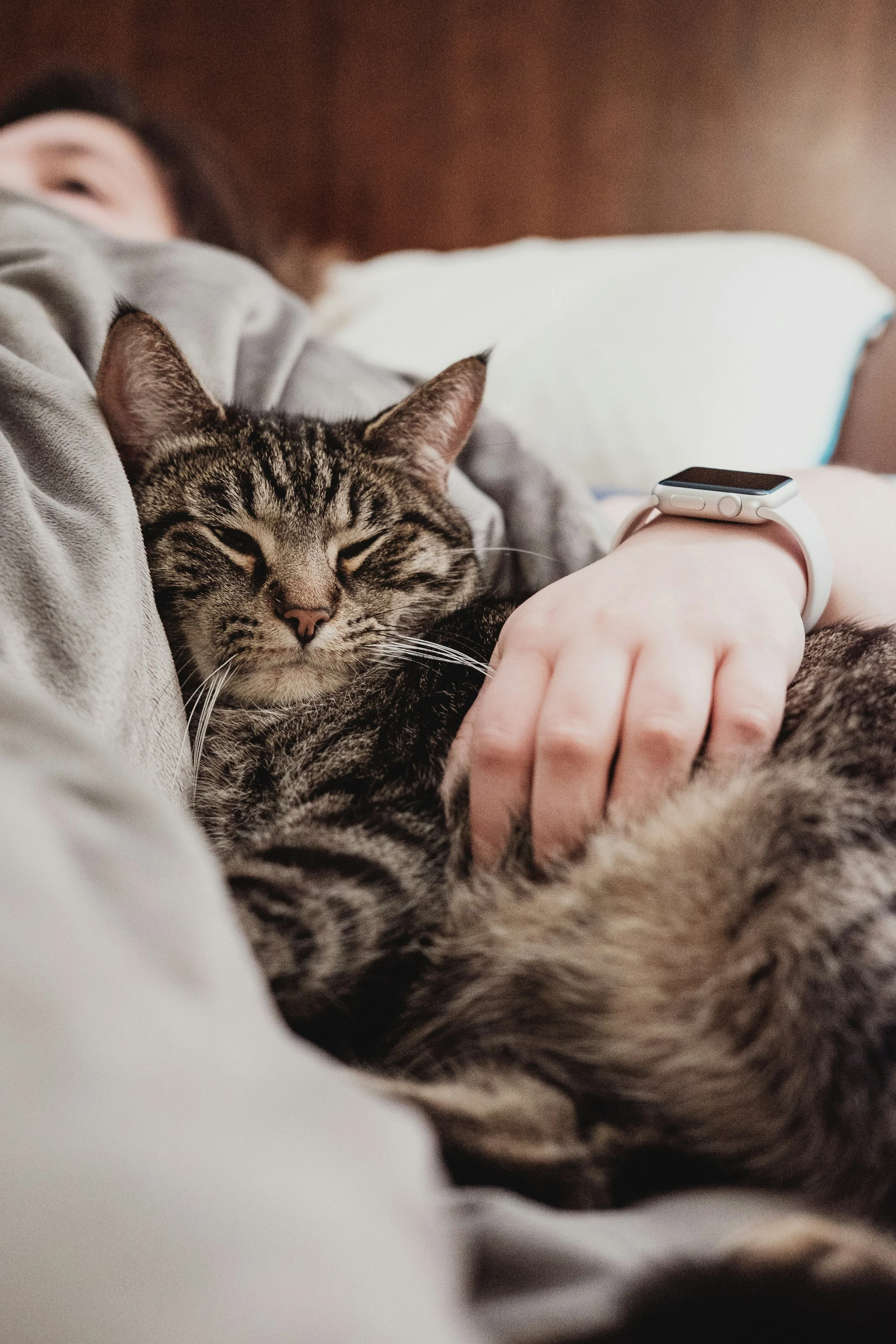
Help your cat move more comfortably, starting this week.
The protocol is straightforward. The dose builds. By week 4, most owners see what their cat has been quietly missing.
This article is for educational purposes and does not replace professional veterinary advice. If your cat has a diagnosed condition or is on medication, consult your veterinarian before adding red light therapy to their care routine.
This article is for educational purposes and does not replace professional veterinary advice. If your pet has a diagnosed condition or is on medication, consult your veterinarian before adding red light therapy to their care routine.