

DOG ARTHRITIS · DAILY AT-HOME PROTOCOL
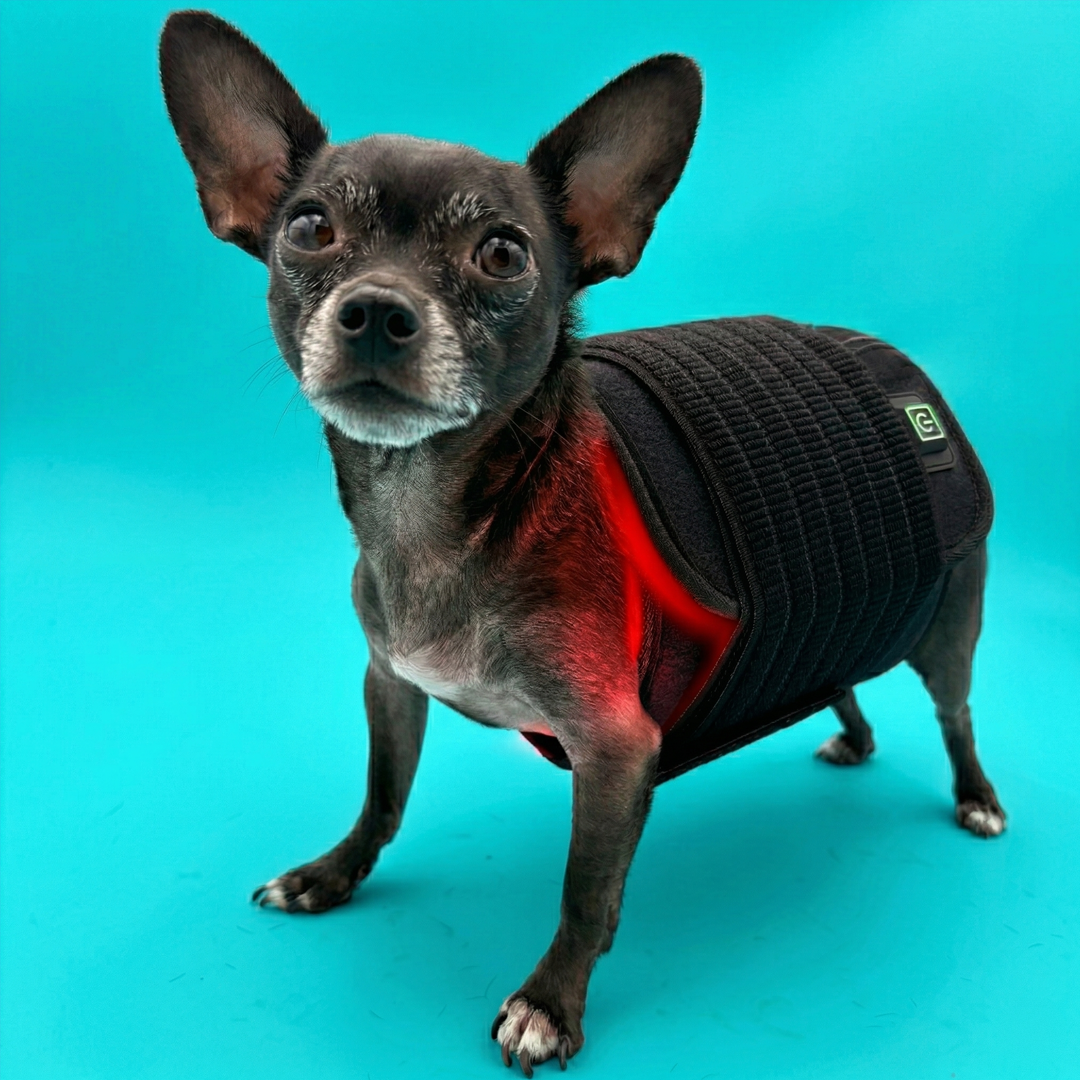
Red Light Therapy for Dogs with Arthritis: A Daily, At-Home Protocol That Reduces Pain and Medication Dependence.
If your dog has slowed down, struggles to climb the stairs, or has been on long-term anti-inflammatory medication, red light therapy is one of the most evidence-supported home options for canine arthritis. A 2018 study on dogs with elbow osteoarthritis showed significant pain reduction and reduced reliance on pain medication after six weeks of treatment. Approximately 43 percent of US veterinarians now use red light therapy on canine arthritis patients.
This guide walks through how the therapy works, what the research shows, where to place the pad for the most common arthritis sites (hips, elbows, back, knees), the daily protocol, what to expect week-by-week, and how it combines with NSAIDs. Most dogs show meaningful improvement by week 4-6 of consistent daily sessions.
20 min
Daily session
660 + 850 nm
Therapeutic wavelengths
6 Weeks
Meaningful improvement
Drug-free
Safe alongsde meds

VETERINARY EVIDENCE

43% of US veterinarians use red light therapy on canine arthritis patients
Veterinary photobiomodulation research has accumulated steadily over the past two decades. The strongest evidence is for canine osteoarthritis, hip dysplasia, post-surgical recovery, and IVDD. Adoption among veterinarians reflects this evidence — the therapy crossed from research into clinical practice over the past decade.
43%
of US veterinarians use red light therapy on canine arthritis patients
2018 STUDY — ELBOW OSTEOARTHRITIS
Pain reduction + reduced NSAID dependence at 6 weeks
Dogs receiving red light therapy showed significant pain reduction and reduced reliance on pain medication after six weeks. Researchers used accelerometers — objective activity measurement — and recorded a marked rise in activity from week 2 onward.
PUBLISHED RESEARCH — HIP DYSPLASIA & IVDD
Mobility improvement across orthopedic conditions
Studies in the Journal of Orthopaedic Surgery and Research and JAVMA documented mobility improvements and pain reduction in dogs with hip dysplasia and intervertebral disc disease following photobiomodulation.
LUMAFLEX CLINICAL DATA
72% mobility improvement at 4 weeks
Manufacturer-published clinical data shows 72% mobility improvement in arthritic dogs within 4 weeks of consistent use. The Lumaflex 4-week mark and the 2018 study's 6-week mark together set realistic expectations for results.
HOW IT WORKS
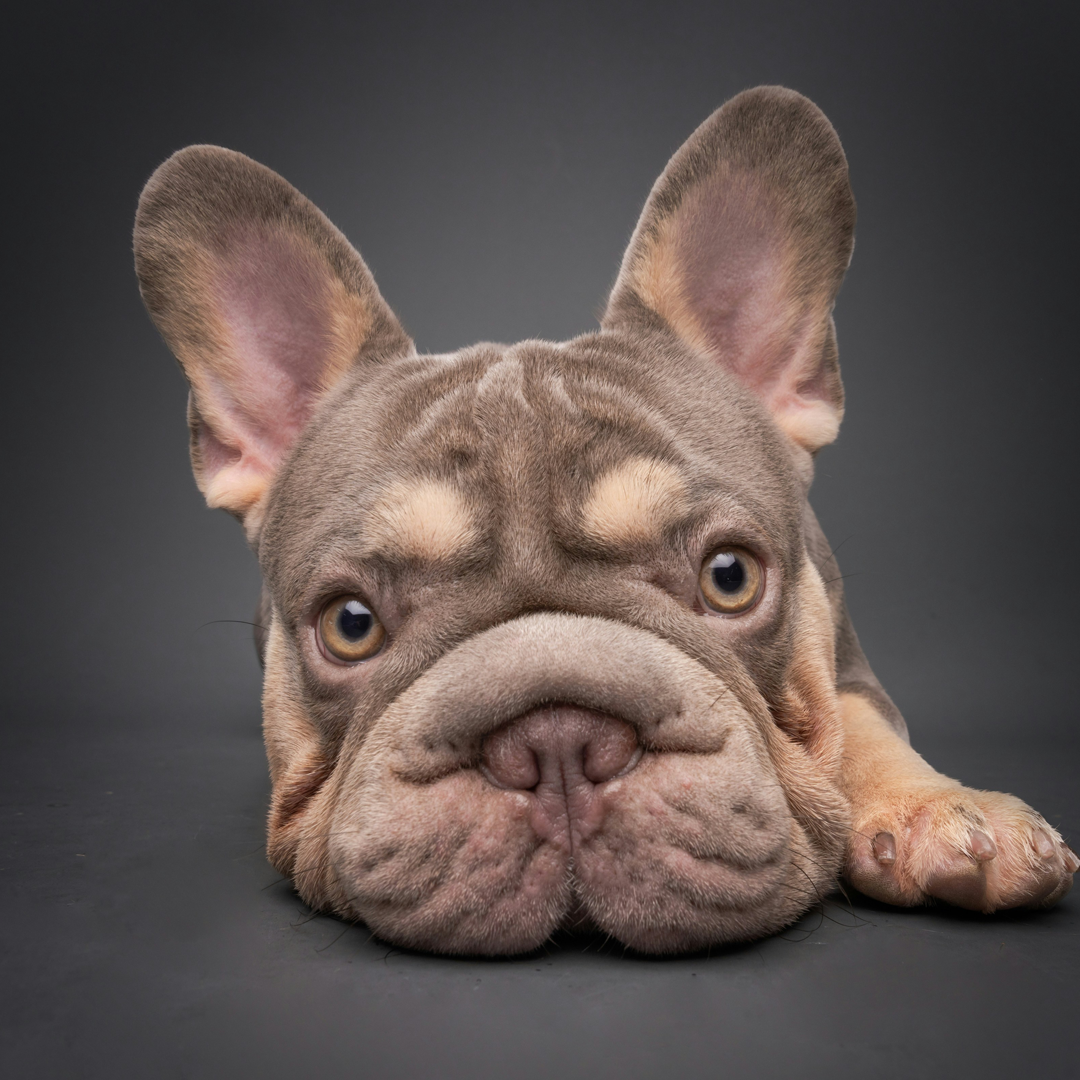
How red light therapy reduces arthritis pain in dogs
Red light therapy works through three mechanisms that are particularly useful for arthritis. The therapy does not regenerate lost cartilage — it reduces the inflammation and pain that come from joint degeneration, and gives surrounding tissue more capacity to support the joint.
Cellular energy rises
Stimulates mitochondria inside cells to produce more ATP — the energy molecule that powers tissue repair. Cartilage and surrounding soft tissue with more energy can do more repair work.
Inflammation decreases
Reduces inflammation in the joint by modulating inflammatory cytokines and improving local blood flow through nitric oxide release.
Pain transmission drops
Reduces pain signaling at the nerve level — which is why many dogs settle and relax during sessions, often falling asleep mid-treatment.
For dogs specifically: red and near-infrared light penetrate up to about 14 millimeters into tissue — enough to reach hips, elbows, knees, shoulders, and the lumbar spine. For most arthritic dogs, the combination of effects produces real improvement in mobility within 2-6 weeks of consistent daily sessions.

JOINT-BY-JOINT GUIDE
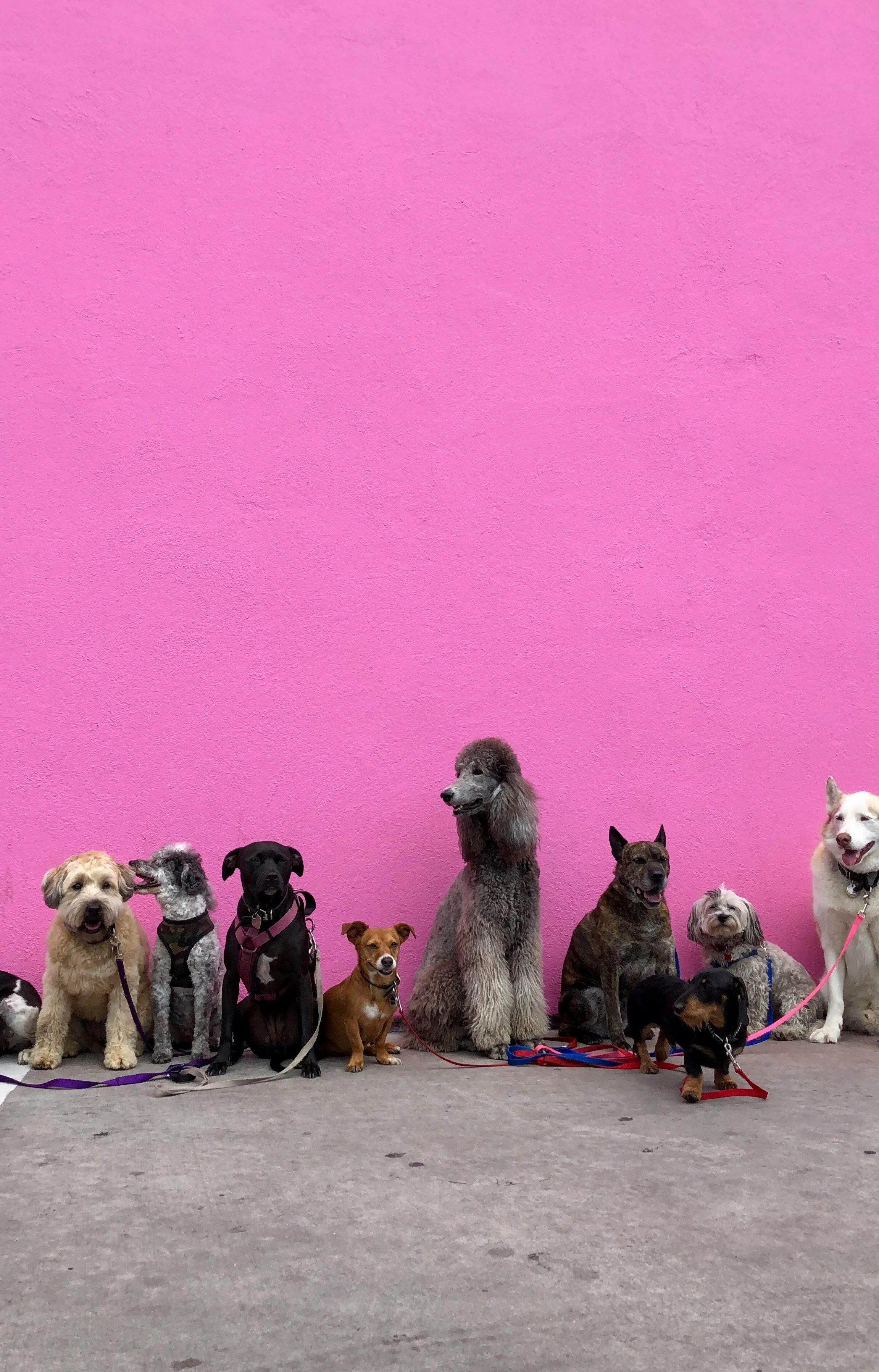
Most arthritic dogs have one or two primary problem joints. Identify the most affected areas first; rotate the pad if multiple joints are involved. The 16 by 7 inch pad shape covers most large-dog joints in one session and a small dog's whole back-end.
Where to place the pad — joint-by-joint guide
Most common — large breeds
Hips & lumbar spine
Place the pad over the lumbar spine and across both hip joints when the dog is lying on their side or back. For dogs that prefer to stand, drape the pad over the lower back/hip area while they rest.
Post-cruciate / TPLO common
Knees (stifles)
Common after cruciate ligament repair (TPLO, TTA) and in larger breeds. Place the pad against the back leg with the dog lying on the opposite side. Cover both inside and outside of the joint over 2 sessions if possible.
Compensating dogs
Shoulders
Less common as a primary arthritic site but often involved in dogs that compensate for hip or elbow pain. Place the pad over the shoulder while the dog lies on their side.
2018 study placement
Elbows
Position the pad against the front leg and chest area when the dog is lying on their side. The 2018 study used elbow placement specifically and showed strong outcomes. Wrap-style pads work especially well for cooperative dogs.
Long-back small breeds
Back / lumbar spine
For dogs with intervertebral disc disease — especially Dachshunds, Corgis, French Bulldogs — place the pad along the spine. The longer pad orientation covers the lower back fully.
Cumulative use
Multi-joint rotation
For dogs with multiple affected joints, alternate placement on a rotating schedule (hips Monday, elbows Tuesday, hips Wednesday) or run two shorter sessions back-to-back targeting different joints.
DAILY PROTOCOL
The daily at-home protocol for dog arthritis
Cumulative dose drives results — the 2018 study used near-daily protocols across 6 weeks. Skipping days slows progress. The protocol below is what works.
Frequency
Daily
Cumulative dose drives results. The 2018 study used near-daily protocols across 6 weeks. Skipping days slows progress.
Session Length
15–20 minutes
20 minutes for medium-to-large dogs with thick or dark coats. 15 minutes for short-haired or smaller dogs. Start shorter (5-10 min) for the first 2-3 sessions to acclimate.
Time of Day
Evening wind-down
Many owners run sessions when the dog is naturally winding down. Some run 2 sessions per day during the initial 2-week loading phase, then drop to 1 daily.
Duration of Protocol
Indefinite for chronic arthritis
The improvement is maintained while sessions continue. If sessions stop, baseline pain typically returns within 2-4 weeks.
Pad Placement
Where they already rest
Their bed, crate, or sofa — wherever they already lie down voluntarily. Position to contact the affected joint area as described in the joint guide.

WEEK-BY-WEEK
What to expect week-by-week
Most dogs follow a predictable trajectory. Knowing the timeline keeps you from giving up too early or expecting too much too soon.
Acclimation
Dog learns the pad routine. Some dogs show subtle behavioral changes — more relaxed at rest, fewer stiffness episodes. The 2018 study used accelerometers to detect a measurable activity increase starting at week 2.
Pattern emerges
Most owners see clearer mobility improvement here. The Lumaflex clinical data documents 72% mobility improvement in arthritic dogs by week 4.
Meaningful change
The 2018 study reached its primary outcomes at week 6 — significant pain reduction and reduced dependence on pain medication. This is when many owners (under veterinary guidance) discuss reducing NSAID dose.
Stable improvement
The therapy continues to support the joint. Many dogs reach a comfortable maintenance state at this point.
Maintenance
Daily sessions continue indefinitely. The improvement is held in place by the consistent dose. Stopping for more than 2-4 weeks usually returns the baseline.
NSAID COMBINATION
How red light therapy combines with NSAIDs and other pain management
The most common use case is reducing — but not eliminating — long-term NSAID dependence. Carprofen, meloxicam, and similar NSAIDs work well for canine arthritis but carry meaningful side effects on long-term use, especially in dogs with kidney or liver issues.
What red light therapy does
Adds to the pain-reduction effect of NSAIDs
Often allows meaningful NSAID dose reduction (under vet guidance)
Continues working in dogs whose vets have warned them off NSAIDs
Pairs well with hydrotherapy, gabapentin, and joint supplements
Reduces NSAID dose in 6-12 weeks of consistent use
What it does NOT do
Replace NSAIDs entirely for most dogs
Reverse advanced osteoarthritis or rebuild lost cartilage
Justify stopping medication without veterinary guidance
Substitute for surgery in cases requiring structural repair
Eliminate severe pain in advanced disease
Multimodal pain management is the standard veterinary recommendation for chronic canine arthritis. Red light therapy fits naturally into this approach alongside medication, supplements, weight management, hydrotherapy, and physical rehabilitation. Any change to NSAID dose should be discussed with your veterinarian — not unilaterally adjusted at home.

BREED CONSIDERATIONS
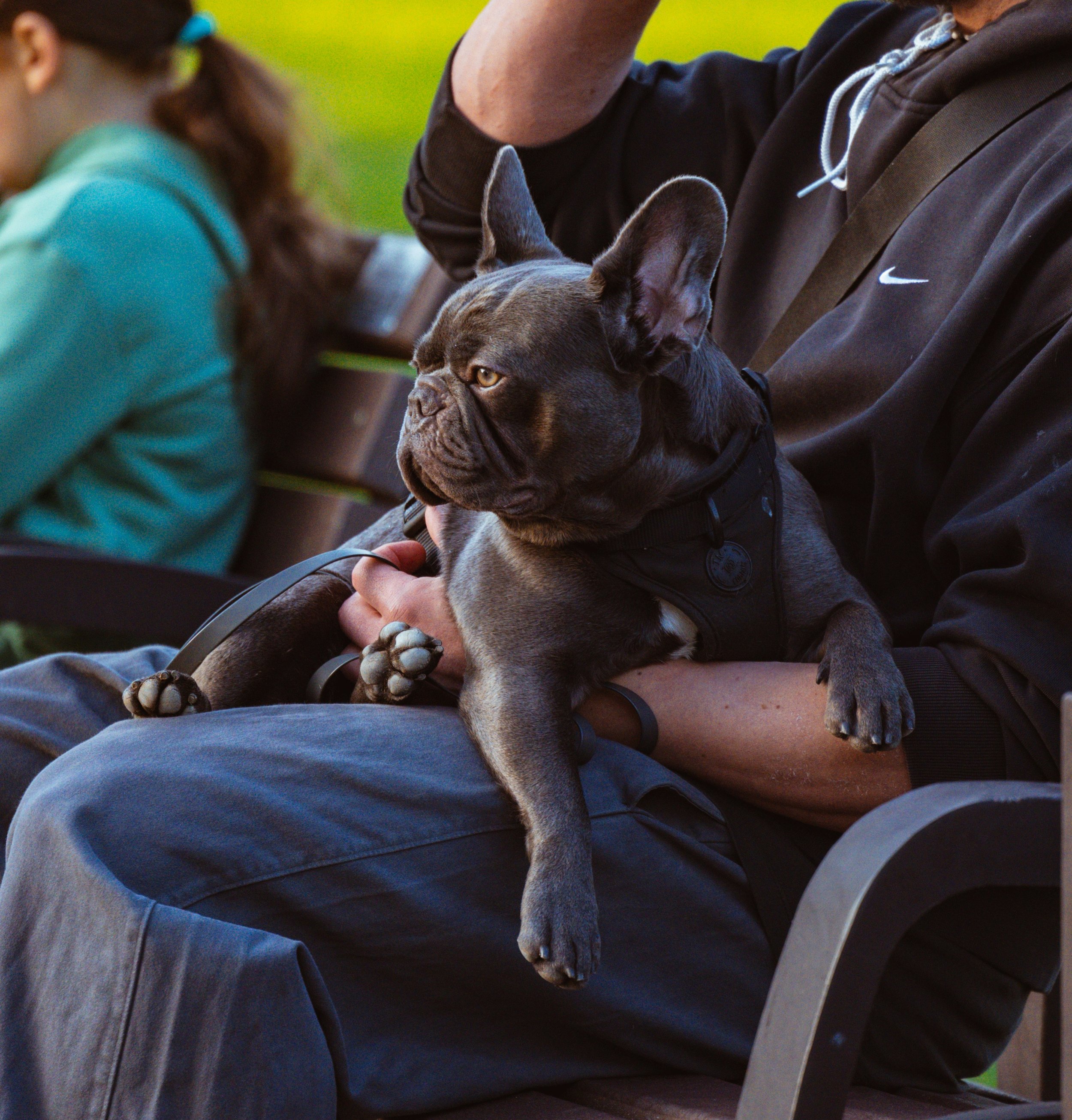
Different breeds have different arthritis profiles. Adjust session length and primary placement based on your dog's body type and typical joint involvement.
How breed affects the protocol
Large breeds
Labradors, Golden Retrievers, German Shepherds
Hip dysplasia and elbow dysplasia common. Use 850nm preferentially for deeper joint penetration.
20-minute sessions.
Toy breeds
Yorkies, Chihuahuas, Maltese
Patellar luxation and small-joint arthritis. 10-15 minute sessions and the pad covers most of the dog.
Giant breeds
Great Danes, Bernese, Newfoundlands
Heavier joints, more body mass. May benefit from 25-30 minute sessions or two daily 15-minute sessions during loading phase.
Working breeds
Border Collies, Aussies, Vizslas
Often present with cumulative soft tissue strain and earlier-onset joint changes. Same protocol as large breeds.
Long-back small breeds
Dachshunds, Corgis, Basset Hounds
Spinal arthritis and IVDD predominate. Place the pad along the lumbar spine. 15-20 minutes is sufficient.
Dark / thick coats
Huskies, black Labs, Newfoundlands
Light absorption is higher at the surface. Longer sessions or direct skin contact (belly, inner thigh) deliver more dose to deeper tissue.
WHERE THE PET MAT FITS
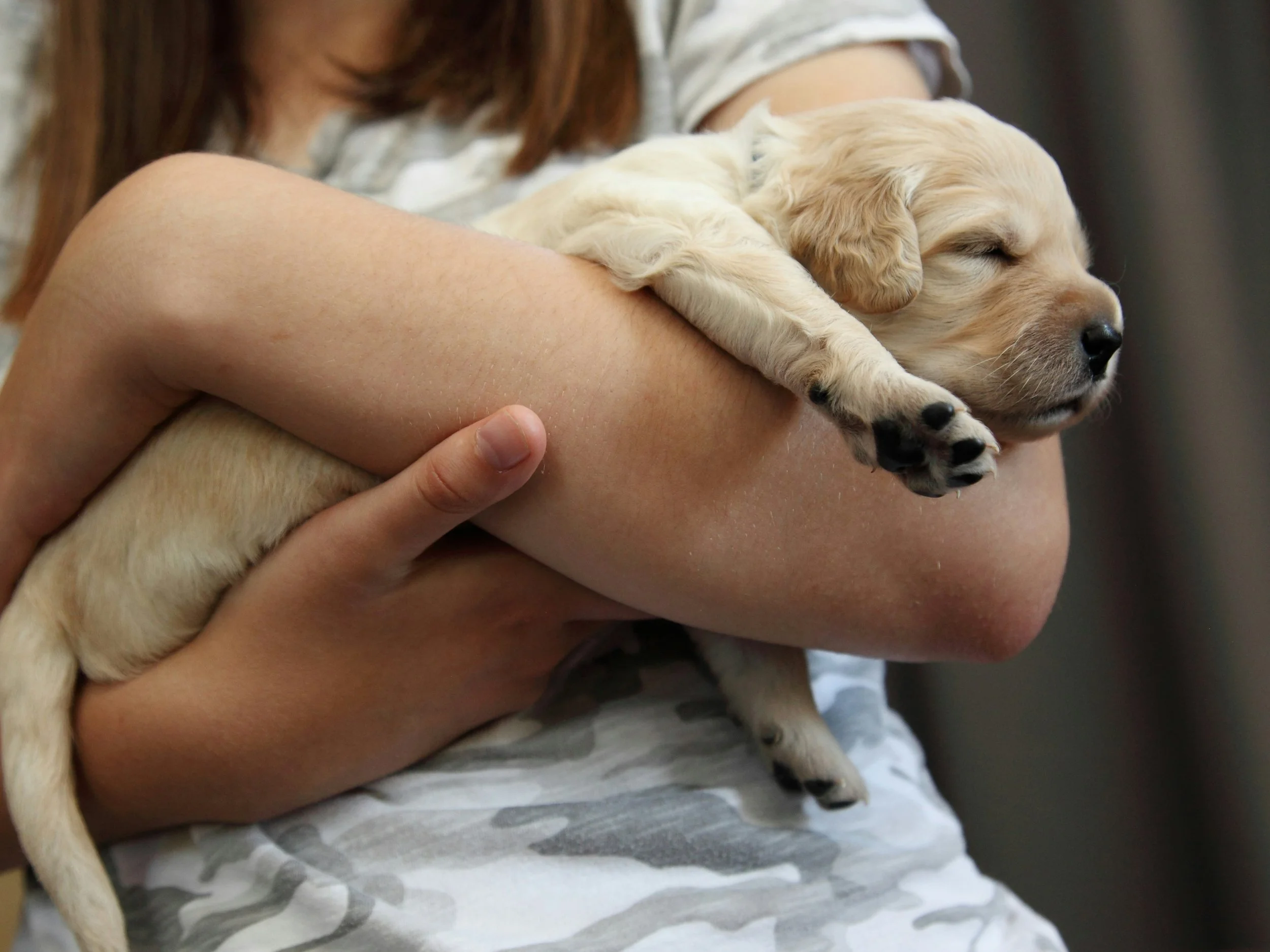
Built for the protocol described above: large enough to cover the hips of a Labrador, flexible enough to drape over an elbow, durable enough for daily use over months and years.
The Red Light Pet Mat in this protocol
Red Light Pet Mat
A 16 × 7 inch flexible pad with 120 LEDs, dual 660nm and 850nm wavelengths, 140 mW/cm² irradiance, and a 20-minute timer with auto-shutoff.
Wavelengths
660nm + 850nm
LED count
120 LEDs
Size
16 × 7 inches
Irradiance
140 mW/cm²
Timer
20-minute auto-off
Certifications
FDA · CE · RoHS
$137 Includes 30-day return window
6 frequently asked questions most asked by dog owners
-
Probably not entirely, but most dogs reduce their dose meaningfully after 6-8 weeks of consistent therapy. The 2018 study documented reduced medication dependence at week 6. Any dose adjustment should be done with your vet, not unilaterally.
-
Yes — and this is a strong use case. Red light therapy supports tissue healing post-cruciate repair. Many veterinary rehab protocols now include photobiomodulation. Confirm with your surgeon's recovery protocol before starting, but most clear it 2-4 weeks post-op once incisions close.
-
Subtle changes by week 2 in some dogs (the 2018 accelerometer-based study detected activity increase at week 2). Meaningful, consistent improvement by week 4-6 in most dogs. Patient consistency over weeks matters more than any single session.
-
Yes. Either run a longer single session positioned to cover both areas, or alternate primary placement on a rotating schedule (hips on odd days, elbows on even). Two shorter sessions back-to-back also works.
-
Yes, and this is one of the most useful applications. Red light therapy does not stress kidneys the way long-term NSAIDs do. For senior dogs whose vets have warned them off NSAIDs due to kidney function, red light therapy is one of the few remaining options that genuinely helps.
-
Skip direct treatment over known tumors without veterinary approval, the eyes, and over open active infection requiring medical management. Skip if your dog is on photosensitive medications. For pregnancy and active growth plates in young dogs, consult your vet.


Help your dog move more comfortably, starting this week.
The 2018 elbow study, the 43% veterinarian adoption, the 72% mobility data — the evidence is real. Combined with the at-home form factor and reduced NSAID dependence over time, red light therapy is now the standard at-home option for most chronic canine arthritis cases.
This article is for educational purposes and does not replace professional veterinary advice. If your pet has a diagnosed condition or is on medication, consult your veterinarian before adding red light therapy to their care routine.