

SENIOR DOG CARE · DAILY ROUTINE
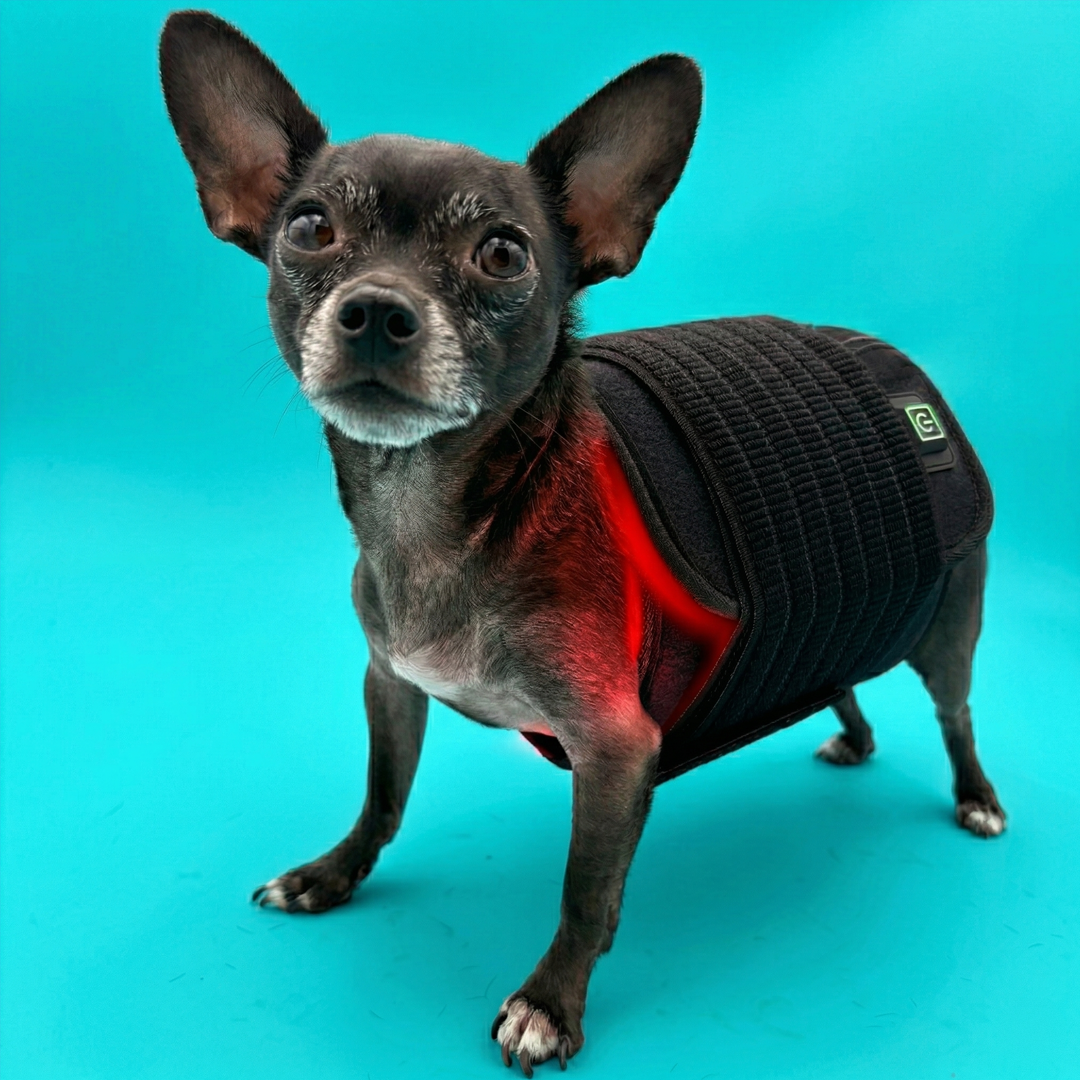
Red light therapy for senior dogs: a daily routine that adds good days, not just manages decline.
Your dog turned 10, or 12, or 14, and you can see the slowing happen in real time. Fewer stairs. Slower mornings. More time in one favorite spot. The conversation with your vet has shifted from prevention to management.
You came here because you want to do more than just watch.
20 min
Daily session
4 conditions
One mechanism
No metabolic load
Drug-free
DHospice-supported
IAAHPC recognized


WHAT CHANGES
Most senior dogs face several changes at once. The cumulative result is the dog you used to know moves more slowly, sleeps more deeply, and recovers from minor exertions over hours rather than minutes.
What changes in an aging dog's body
Cartilage thins
Joint cartilage breaks down faster than it rebuilds with age. The bone-on-bone contact this allows is what we recognize as arthritis pain.
Muscle mass declines (sarcopenia)
Less muscle around the joints means less support and more compensatory strain on remaining structures. Sarcopenia accelerates in dogs over 10.
Circulation slows
Slower circulation means slower healing of skin, slower clearing of inflammatory waste, and longer recovery from minor exertions.
llular energy production drops
Mitochondrial function declines with age, so the cellular ATP that powers tissue repair runs lower. Repair work that was easy at age 4 is harder at age 12.
~20% of adult dogs develop osteoarthritis, with rates rising sharply with age. Among dogs over 8, the percentage is much higher. Most senior dogs have some degree of joint involvement, even if the official diagnosis hasn't been made. Many also develop slow-healing skin issues, hot spots, pododermatitis (inflammation of the paw pads), surgical incisions that take longer to close, and ear infections that linger. Conditions that resolved in days at age 4 now take weeks at age 12.
These changes are biological — not just an inevitable consequence of time. Cellular processes that slow can be supported. Inflammation that builds up can be reduced.
Blood flow that drops can be improved. None of this reverses aging. But each of these levers, addressed daily, adds quality of life and good days. Red light therapy works on all of them simultaneously through one mechanism.
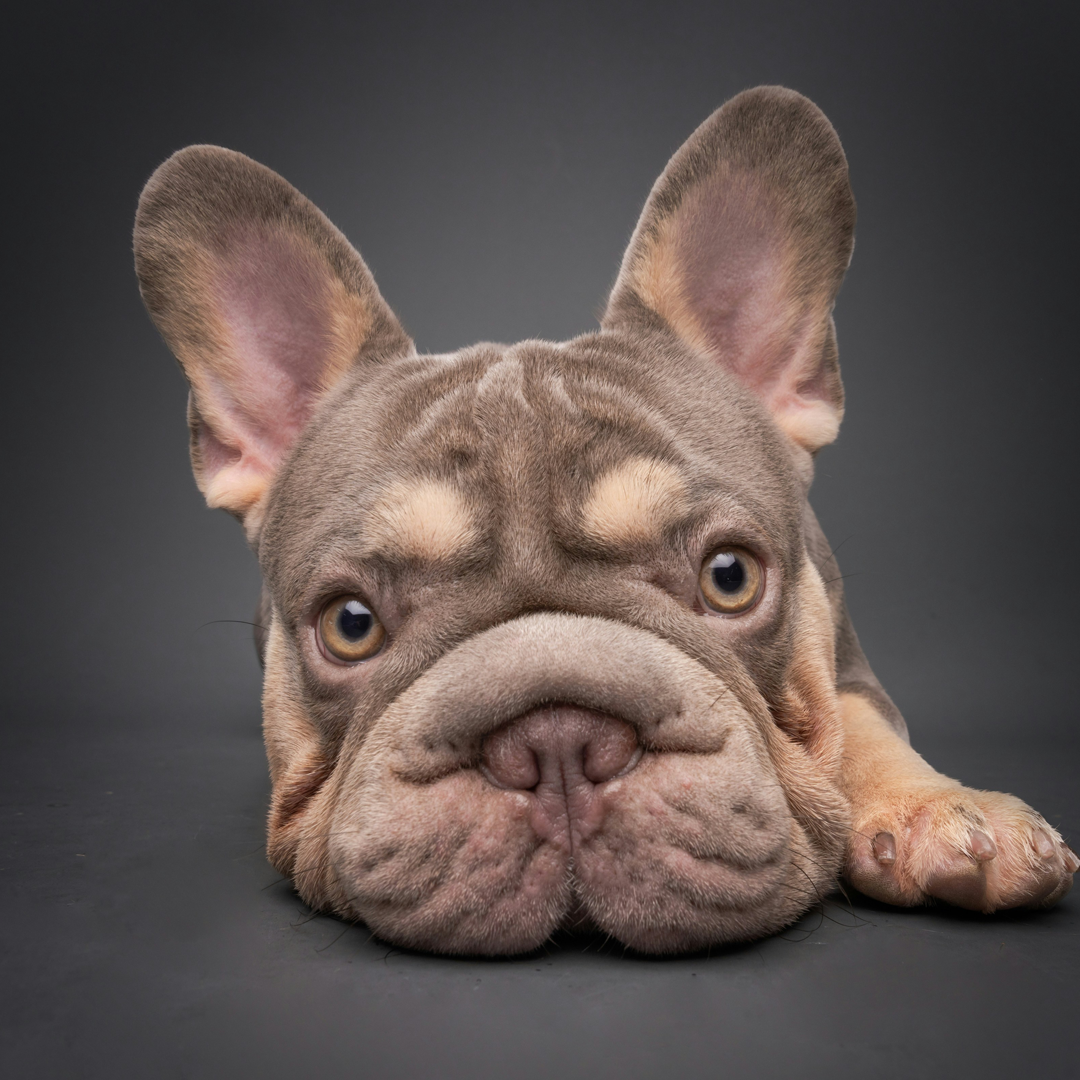
WHY FOR SENIORS
Why red light therapy is especially useful for senior dogs
The mechanism fits aging biology
Inflammation reduction matters more in older bodies that carry more cumulative low-grade inflammation. Circulation support matters more when circulation is slower at baseline. Tissue repair matters more when older tissue takes longer to repair without help. Each lever has more room to move in a senior.
Photobiomodulation works at the mitochondrial level. Aging cells with declining mitochondrial function get the most benefit from a stimulus that boosts ATP production. The effect that is modest in a young dog is meaningful in a senior.
Medication tolerance is a real problem
NSAIDs that worked well at age 5 may pressure kidney or liver function at age 12. Long-term opioid use carries its own complications. Senior dogs often need pain management options that don't add medical burden. Daily use, no systemic exposure, no metabolic load. Red light therapy is one of the few that genuinely fits. The World Association of Laser Therapy (WALT) has established veterinary protocols for photobiomodulation that veterinary clinicians follow when prescribing the therapy.

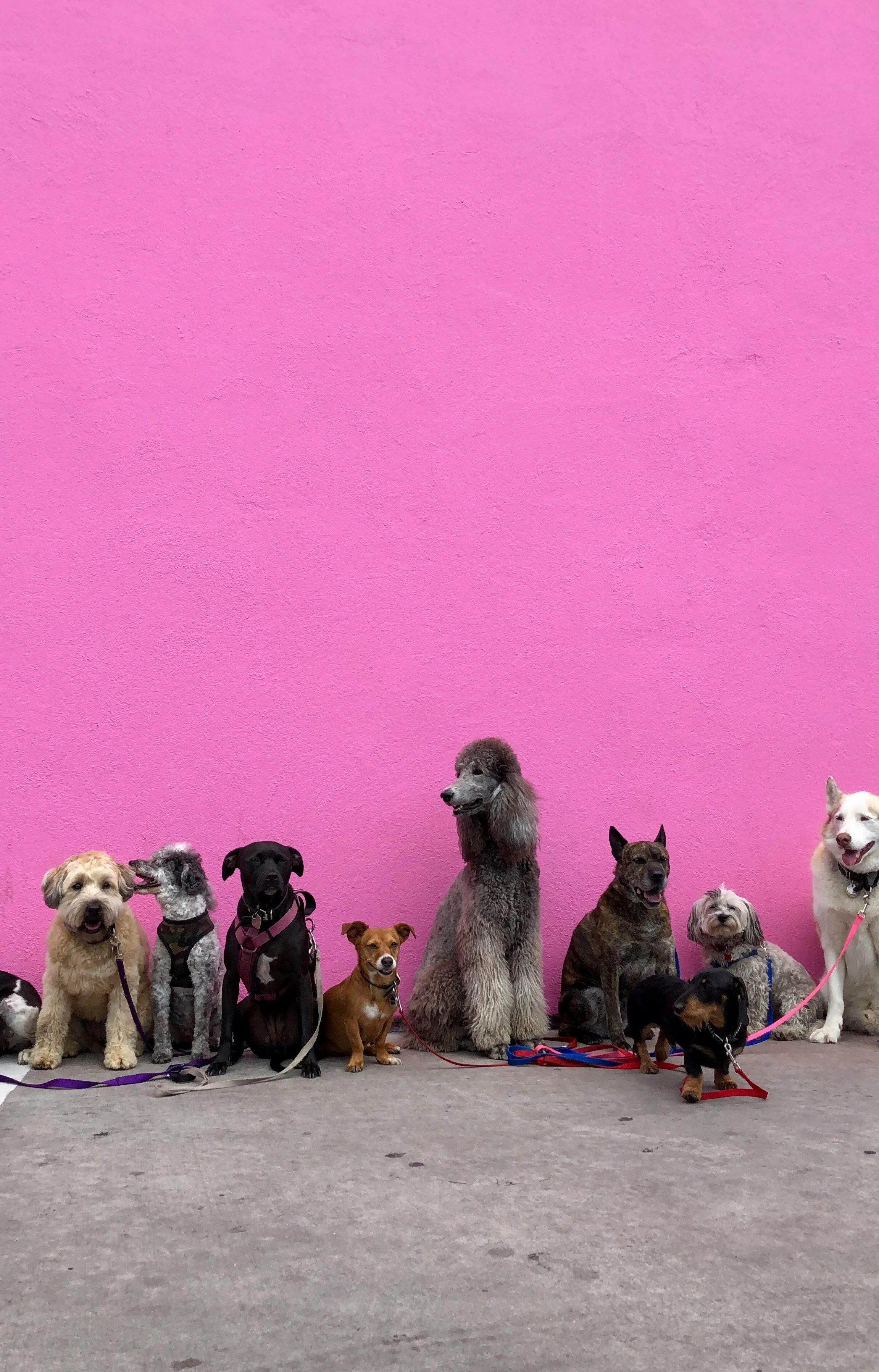
DAILY ROUTINE
A multi-condition daily routine for your senior dog
Most senior dogs benefit from one daily 20-minute session that addresses several conditions at once. The pad's 16 by 7 inch coverage area and dual 660nm and 850nm wavelengths make this practical because surface skin issues and deeper joint inflammation respond to the same session.
One routine, four targets. Position the pad against the most affected area each day and the other systemic effects (improved circulation, reduced cumulative inflammation, energy support) follow naturally from consistent daily use.
Target 1
Joints
Hips, knees, elbows, lumbar spine. Place the pad to contact the most affected joint while the dog rests on their bed. Rotate primary placement across days if multiple joints are involved.
Target 3
Recovery support
Post-walk soreness, post-grooming stress, mild injuries. Run the daily session after the dog's main exertion of the day, typically the afternoon walk. Most dogs settle deeply at this time.
Target 2
Skin
Hot spots, slow-healing minor wounds, dermatitis. Skin issues benefit from the surface 660nm wavelength. Position the pad against the affected area for sessions during active flare-ups.
Target 4
Energy & overall wellness
The systemic effect (improved circulation, reduced inflammation, better tissue oxygenation) is the most subtle but the most pervasive. Most owners notice their senior dog brighter and more engaged after 4 to 6 weeks.
Daily Protocol Summary
Never force the location. The therapy works best as a routine the dog walks toward, not one you impose.

MEDICATION CONSIDERATIONS
When NSAIDs become a problem, and why that matters for senior dogs
Long-term NSAIDs (carprofen, meloxicam, deracoxib) work well for canine arthritis but carry meaningful pressure on kidney and liver function with extended use. In senior dogs whose kidneys are already showing age, this matters.
Many veterinarians begin reducing NSAID dose or moving toward intermittent use as a senior dog reaches 10-12 years old. That shift creates a gap in pain management that needs filling, often by gabapentin, joint supplements, hydrotherapy, and red light therapy used together.
The realistic outcome
The 2018 elbow arthritis study documented reduced pain medication intake in dogs receiving red light therapy. The realistic outcome for most senior dogs is dose reduction (not elimination) over 6-12 weeks of consistent therapy combined with the other tools listed above.
Any change to NSAID dose should be discussed with your veterinarian. The point of red light therapy in senior care is not to replace medication but to add a tool that makes lower medication dosing viable while preserving comfort. For dogs with diagnosed arthritis, see the daily protocol for canine arthritis for joint-specific placement.

QUALITY OF LIFE
How to track quality of life and know it is working with senior dogs, the goal is rarely a dramatic improvement.
The goal is more good days. Watch for the small returns. The favored chair. The greeting at the door. The willingness to walk slightly farther. These are small signals, but they compound.
Watch for these small returns
Easier movement after long sleep
More interest in food and routine
Willingness to walk slightly farther
Return to greeting you at the door
Climbing onto a particular chair again
Asking for a specific routine or toy
Brighter eyes, more engagement
Fewer stiffness episodes after rest
A practical method
Choose 3-5 specific behaviors your dog used to do or still does intermittently, and check them off daily.
Over 4-8 weeks the pattern becomes visible. This is more reliable than your daily impression. Impressions are easily skewed by your own anxiety about the dog's age.
If the pattern is stable or improving, the therapy is helping. If the pattern is declining, it is time for a vet conversation about what else might be happening.
Toy breeds
Yorkies, Chihuahuas, Maltese
Patellar luxation and small-joint arthritis. 10-15 minute sessions and the pad covers most of the dog.
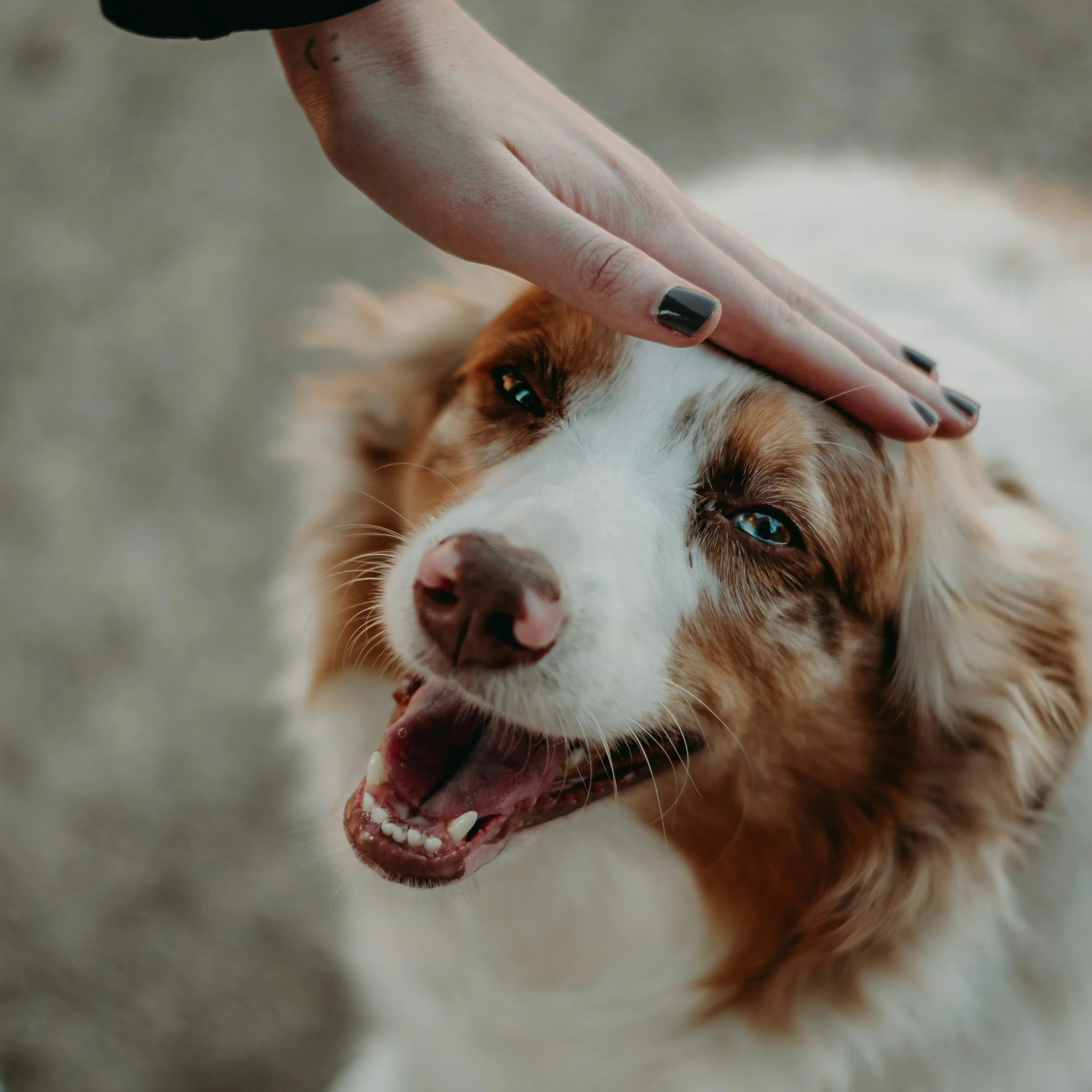
Different breeds have different arthritis profiles. Adjust session length and primary placement based on your dog's body type and typical joint involvement.
How breed affects the protocol
BREED CONSIDERATIONS
Large breeds
Labradors, Golden Retrievers, German Shepherds
Hip dysplasia and elbow dysplasia common. Use 850nm preferentially for deeper joint penetration.
20-minute sessions.
Giant breeds
Great Danes, Bernese, Newfoundlands
Heavier joints, more body mass. May benefit from 25-30 minute sessions or two daily 15-minute sessions during loading phase.
Working breeds
Border Collies, Aussies, Vizslas
Often present with cumulative soft tissue strain and earlier-onset joint changes. Same protocol as large breeds.
Long-back small breeds
Dachshunds, Corgis, Basset Hounds
Spinal arthritis and IVDD predominate. Place the pad along the lumbar spine. 15-20 minutes is sufficient.
Dark / thick coats
Huskies, black Labs, Newfoundlands
Light absorption is higher at the surface. Longer sessions or direct skin contact (belly, inner thigh) deliver more dose to deeper tissue.
WHERE THE PET MAT FITS
Built for the daily multi-condition routine described above. Large enough to cover the hips and lower back of a Labrador, soft enough to drape over an elbow or shoulder, durable enough for daily use across the senior years.
The Red Light Pet Mat in this protocol
A 16 × 7 inch flexible pad with 120 LEDs, dual 660nm and 850nm wavelengths, 140 mW/cm² irradiance, and a 20-minute timer with auto-shutoff.
Wavelengths
660nm + 850nm
LED count
120 LEDs
Size
16 × 7 inches
Irradiance
140 mW/cm²
Timer
20-minute auto-off
Certifications
FDA · CE · RoHS
$137 Includes 30-day return window
Place it on the dog's bed. Plug it in. Let them lie on it.
The therapy follows from there.
6 questions senior dog owners ask most
-
No. Older dogs often respond fastest because their cellular function has the most room to recover. The 2018 study cohort included senior dogs. Anecdotal hospice and palliative-care use of red light therapy focuses precisely on this age range.
-
Yes. Red light therapy does not stress kidneys the way NSAIDs do. For senior dogs whose vets have warned them off NSAIDs due to kidney function, red light therapy is one of the few remaining options. Recent veterinary research has also explored red light therapy specifically for canine chronic kidney disease. Discuss with your vet whether the therapy could support comfort alongside primary kidney management.
-
Yes. Position the pad to contact the affected hip; if the hot spot is on a different area of the body, run a second focused session at a different time of day. Most senior dogs handle one 20-minute session daily comfortably; some tolerate two.
-
Red light therapy is increasingly used in canine hospice and palliative care. The International Association of Animal Hospice and Palliative Care has identified it as a promising non-pharmaceutical pain management option. It does not extend disease progression. It adds comfort during the time remaining. Coordinate with your hospice vet on the right protocol for your dog's specific situation.
-
Subtle changes by week 2 in some dogs. Meaningful, consistent improvement by week 4 to 6 in most. With seniors, watch for the small returns (one stair, one greeting, one favored chair). Those are the wins that matter.
-
Skip direct treatment over known tumors without veterinary approval. Avoid the eyes. Skip if your dog has a photosensitivity disorder, is on a photosensitive medication, or has active malignancy without veterinary supervision. For active infection requiring medical management, treat the infection first.

Red light therapy is the rare tool that addresses several of the things that go wrong in an aging dog through one daily routine. It supports joint comfort, accelerates skin healing, improves circulation, and gives cellular function the boost that aging cells benefit from most. It does not reverse aging, and it is not a cure. But for senior dogs, it adds good days. That is the metric that matters.
Add good days to your senior dog's life.
This article is for educational purposes and does not replace professional veterinary advice. If your pet has a diagnosed condition or is on medication, consult your veterinarian before adding red light therapy to their care routine.