

Pricing strategy · Red Light Wellness®
How much to charge for red light therapy.
There is no single right price for a red light therapy session, but there is a right method. What you charge should follow your local market, your practice type, and the way clients actually buy, which is rarely one session at a time. This guide walks the three pricing structures that work, and how to combine them.
Ranges, not a fixed price
Built for commercial practices
Build
Commercial-grade
Made in
FDA-registered facility
Wavelengths
660nm + 850nm
Session
10–15 min
Start with the market, not a guess
Price is set by three things: market, practice type, and structure.
Red Light Wellness® builds the equipment, so we look at pricing the way our practice owners do, from the revenue side. Before you pick a number, gather three facts. First, what comparable services in your area charge, because a session in a major metro medspa is priced differently from one in a small-town wellness studio. Second, what kind of practice you run, since a chiropractic add-on, an aesthetics upsell, and a standalone recovery membership carry different price expectations. Third, how you want clients to buy, because a single-session rate, a package, and a monthly membership each pull a different behavior. Get those three straight and the number almost sets itself.
The three structures
Single sessions, packages, and memberships.
Most successful programs use all three: a single-session rate that anchors value, packages that reward commitment, and a membership that stabilizes revenue.
Single session
Per-session pricing commonly falls in the $50 to $100 range for a full-body session, with aesthetics-led and medspa settings often positioned higher. The single rate rarely drives your volume, but it sets the anchor that makes every package and membership look like the better deal.
Packages
A bundle of sessions sold up front, usually at a per-session discount of roughly 10 to 25 percent off the single rate. Packages fit outcome-driven protocols where a client commits to a series, and they pull cash forward while locking in a course of visits.
Membership
A recurring monthly fee for a set number of sessions or unlimited access, priced so a regular user beats the single rate. Membership is the structure that smooths utilization and turns a bed from a transaction into predictable monthly revenue.
The dollar figures on this page are illustrative ranges drawn from common market practice, not a price list or a recommendation for your business. Set your own pricing against your local market, costs, and regulations.
Price by market and practice type
The same session is not the same price everywhere.
Geography moves the number more than anything else. A dense, higher-income metro supports a premium session rate that would stall in a rural market, so start by pricing against the services your neighbors actually buy: massage, cryotherapy, an infrared sauna, a facial. Red light therapy usually sits comfortably alongside those, and pricing near the middle of that local set tends to convert well.
Practice type shifts it again. A medspa or aesthetics clinic can position a session toward the top of the range because the client is already there for results-based care and premium pricing. A chiropractic or physical therapy office often prices lower per session but wins on volume and on bundling red light into a recovery plan. A gym, salon, or wellness center usually treats it as a membership amenity or an add-on, where the monthly value matters more than any single visit.
Pricing notes
Anchor high, sell the package
The single-session price is a reference point, not your growth engine. Set it where it signals a premium, professional service, then move most clients into a package or membership where the per-session cost is lower and your revenue is steadier. When people see the single rate first, the commitment always looks like the smart buy.
Anchor with a confident single-session rate
Discount packages enough to reward commitment, not to devalue the service
Price membership so a weekly-plus user always wins
The tradeoffs
Single session vs package vs membership.
Each structure trades a different thing. Single sessions carry the highest margin per visit and the lowest commitment, which makes them a fine entry point and a poor foundation, because your revenue swings with foot traffic. Packages pull cash forward and improve retention through a course of visits, but they expire, so utilization can spike then vanish once a bundle runs out.
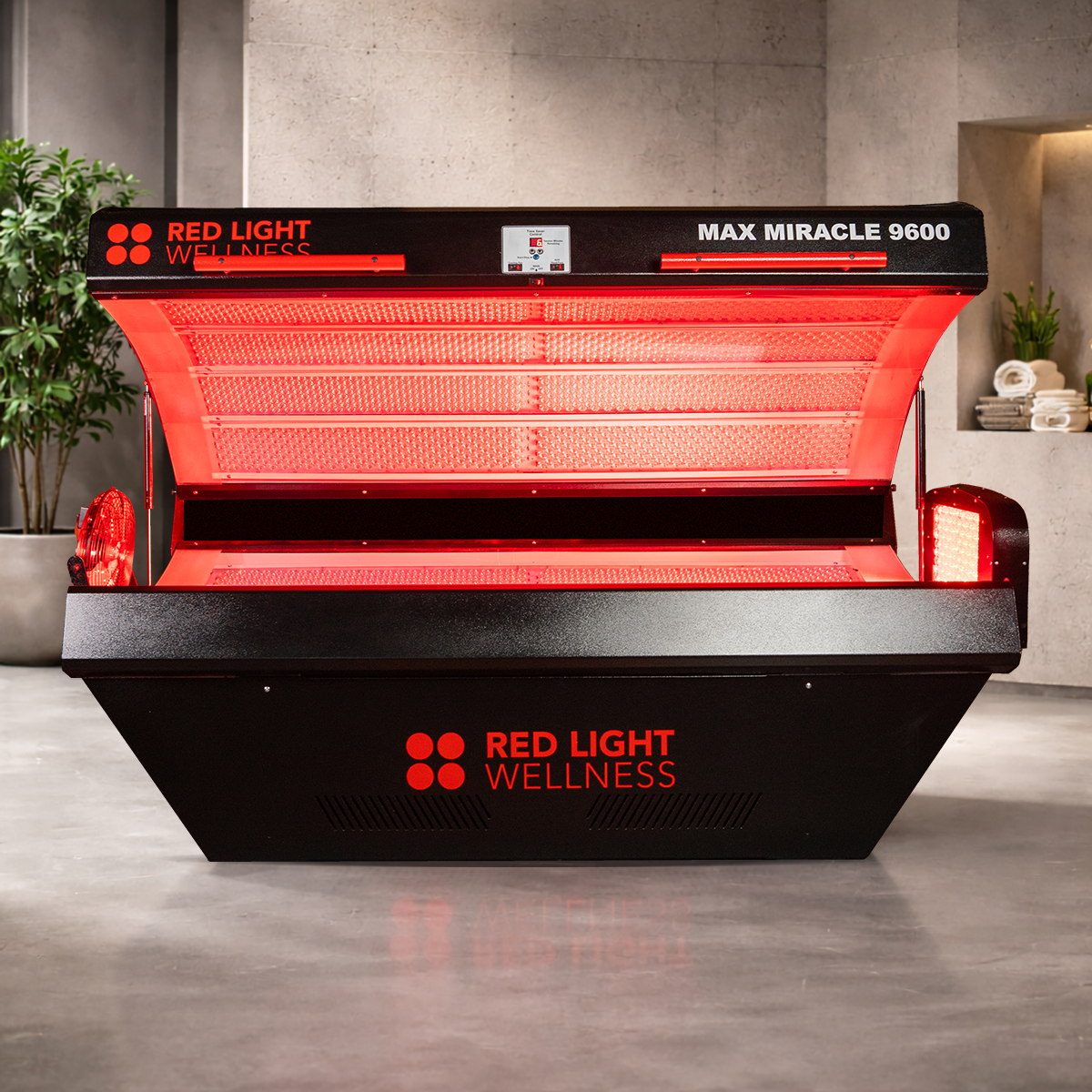
Membership gives up some per-session revenue in exchange for the thing a capital purchase needs most: predictable monthly income and steady bed utilization. A red light therapy bed treats a full body in under fifteen minutes, so a well-priced membership keeps that fast throughput full instead of idle. The strongest programs offer all three and steer new clients from a trial session into a package, then into a membership once the habit forms.
$50–$100
Common single-session range
<15 min
Full-body session to keep beds full
10–25%
Typical package per-session discount
Monthly
Membership revenue you can forecast
Photobiomodulation supports recovery, circulation, and skin and tissue health. Individual results may vary. Not intended to diagnose, treat, or cure any disease. Consult a healthcare professional before use.
Pricing questions owners ask
Straight answers on what to charge.
-
Single full-body sessions commonly fall in the $50 to $100 range, with aesthetics and medspa settings often positioned higher. Treat that as an illustrative range and set your own rate against local competitors and your practice type.
-
Ideally all three. Use the single rate as an anchor, packages to reward a committed course of visits, and a membership to stabilize monthly revenue and bed utilization. Our membership models guide goes deeper on recurring plans.
-
A per-session discount of roughly 10 to 25 percent off your single rate is common. Enough to reward commitment and pull cash forward, but not so deep that it devalues the service or erodes the margin you need to pay for the equipment.
-
Set your session price and volume against the monthly cost of the bed. The ROI calculator lets you test sessions per day and price to see monthly revenue and payback, and the business ROI guide walks the full picture.
Build the revenue case
Price it, then pencil the payback.
Tell us your practice type and the model you are weighing, and we will map the numbers with you: session pricing, membership mix, and how fast a Wellness Collection bed pays for itself.