


THE MECHANISM
How photobiomodulation works
By Red Light Wellness
Photobiomodulation, or PBM, is the process behind red light therapy. Specific wavelengths of red and near-infrared light are absorbed inside living cells and used to influence how those cells make and manage energy. This page explains that mechanism, the cellular chemistry, step by step. For the plain definition of red light therapy itself, see what is red light therapy.
What photobiomodulation means
Photobiomodulation, usually shortened to PBM, is the scientific term for using red and near-infrared light to produce a biological effect in tissue without heating or damaging it. The word is precise. Photo means light, bio means life, and modulation means to adjust. Photobiomodulation is light fine-tuning a living system. It does not add energy the way a heat lamp warms your skin, and it does not force a reaction the way a drug does. It is a signal, and the size of that signal depends on the light that actually reaches the tissue.
Where the light lands: mitochondria and cytochrome
c oxidase
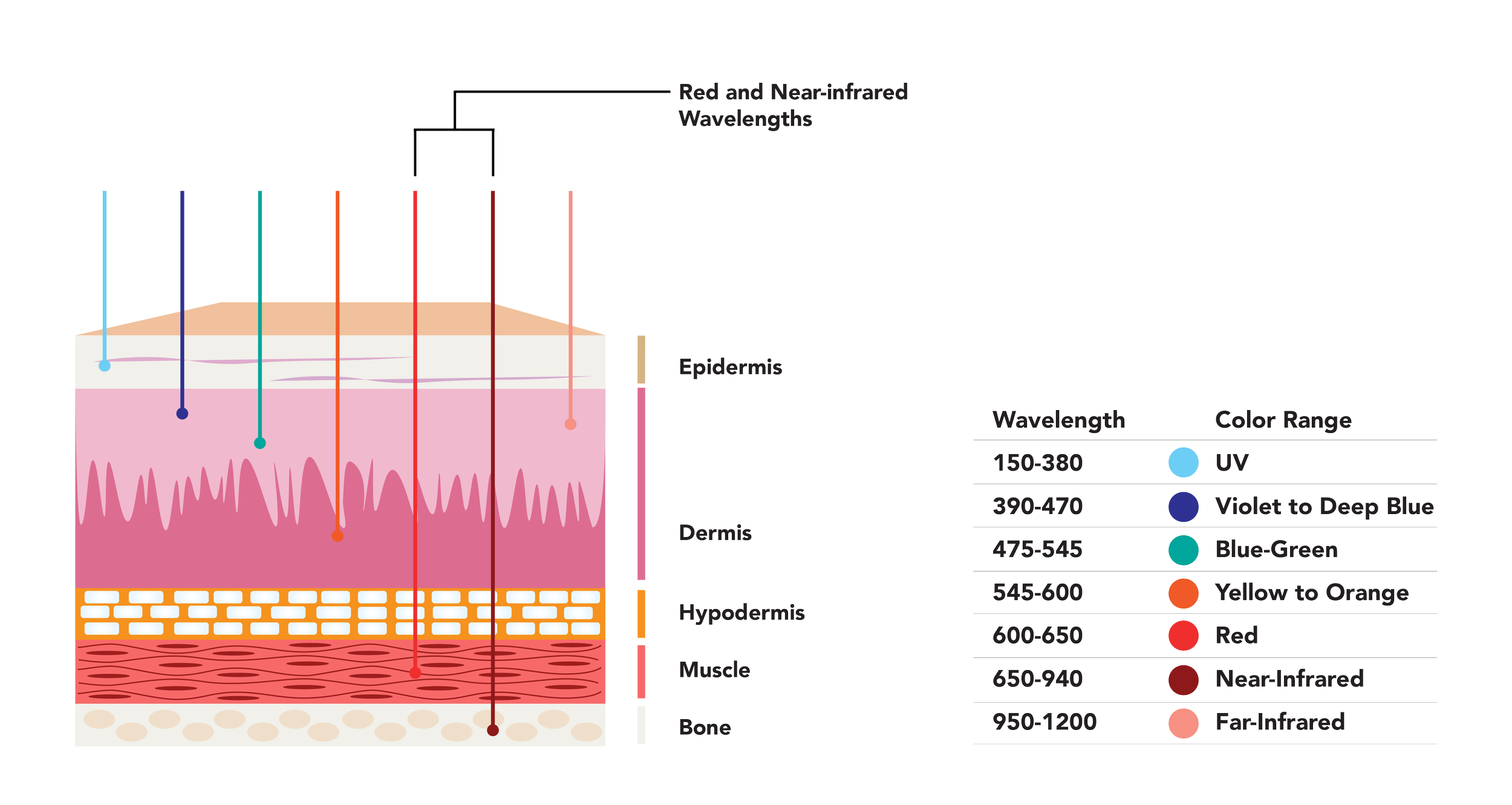
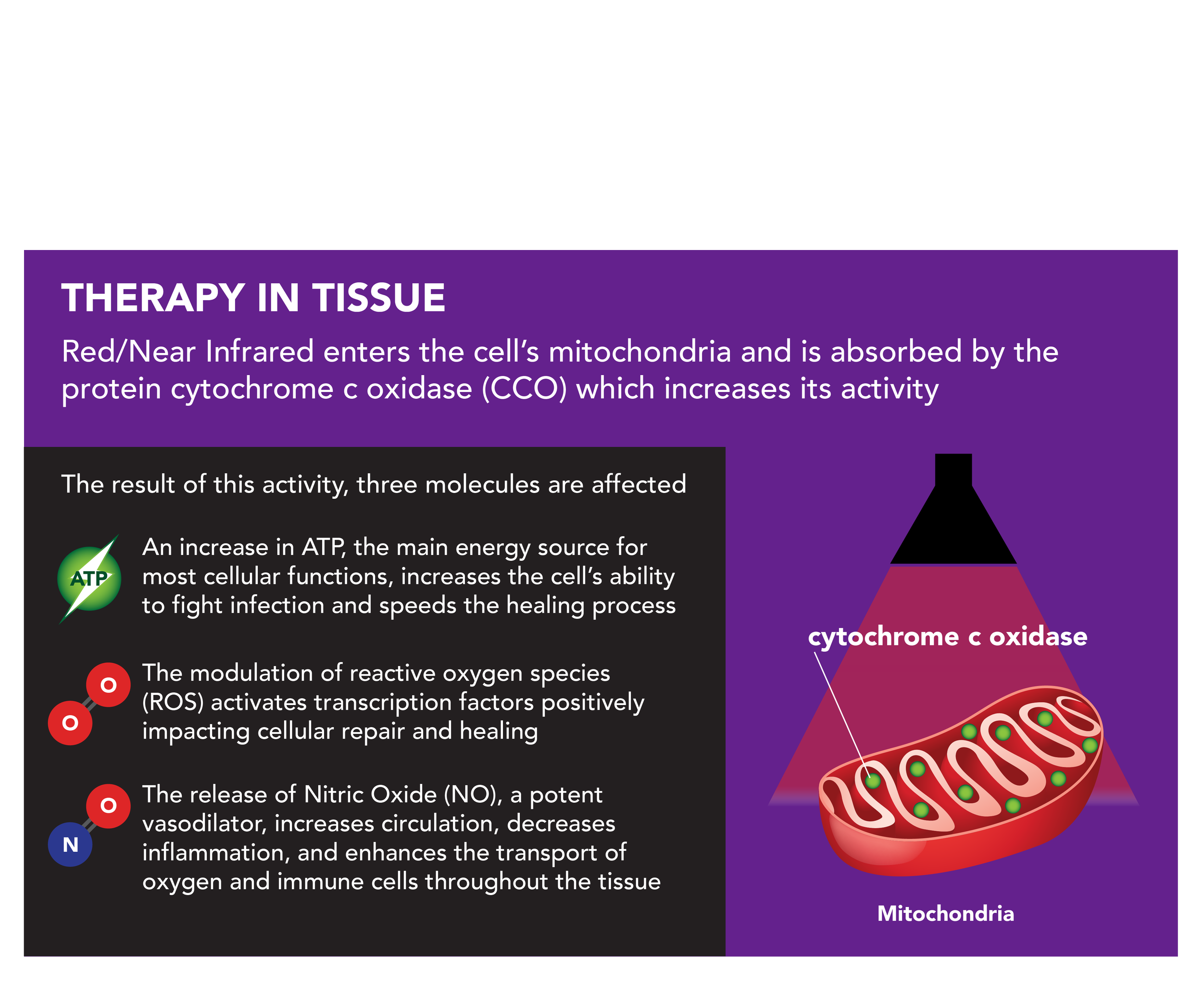
Almost every cell in the body contains mitochondria, the small structures that produce the fuel a cell runs on. That fuel is a molecule called adenosine triphosphate, or ATP. Mitochondria make ATP through a chain of steps, and the last major enzyme in that chain is cytochrome c oxidase. This enzyme is widely considered the main light-absorbing molecule for photobiomodulation in the red and near-infrared range.
What happens when the light is absorbed
When cytochrome c oxidase absorbs red or near-infrared light, the leading scientific explanation is that it helps release nitric oxide that had been bound to the enzyme. Because bound nitric oxide can slow the enzyme down, freeing it is thought to let the cell's energy chain run more briskly and produce ATP more efficiently for a period afterward. In plain terms, the light does not create energy. It appears to remove a brake, so the cell makes its own energy more readily.
The downstream response
That brief lift in mitochondrial activity is thought to act as a small signal the cell can respond to. Better-fueled tissue is better positioned to carry out its ordinary work of repair and recovery. The mechanism is well supported in the laboratory and is biologically plausible, while the clinical picture is stronger in some areas than in others. That is the honest state of the science. We describe the mechanism as researchers understand it, and we do not make medical claims about it.
Individual results may vary. Not intended to diagnose, treat, cure, or prevent any disease. Consult a healthcare professional before use.

Photobiomodulation is not heat
Photobiomodulation works below the level of heat. It is often called non-thermal, or athermal, because the effect comes from light being absorbed as a signal by cytochrome c oxidase, not from warming the tissue. A well-designed session should feel comfortable, not hot. That is a defining feature of the mechanism: it depends on the right light being absorbed, not on raising temperature.
What the mechanism depends on
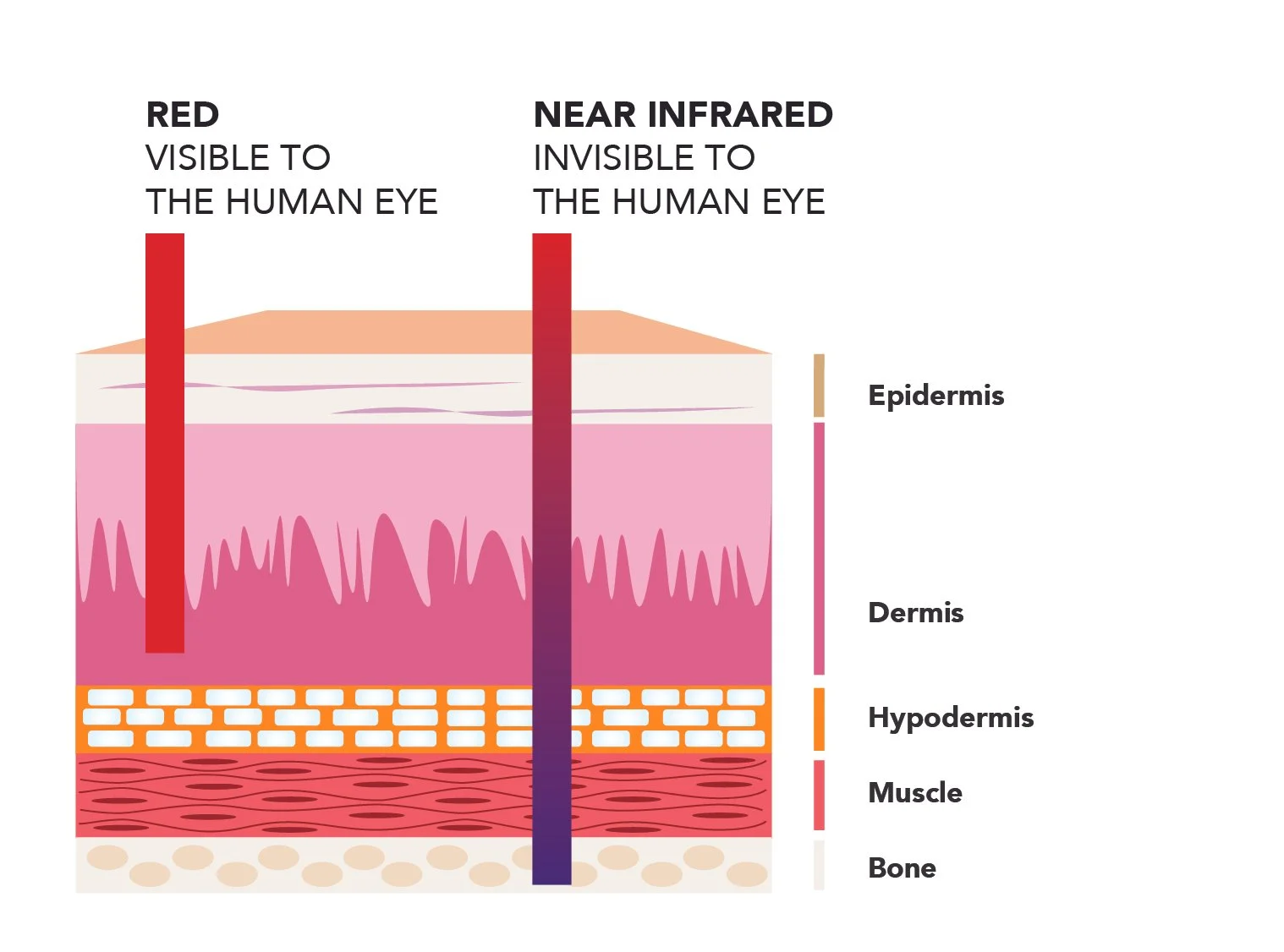
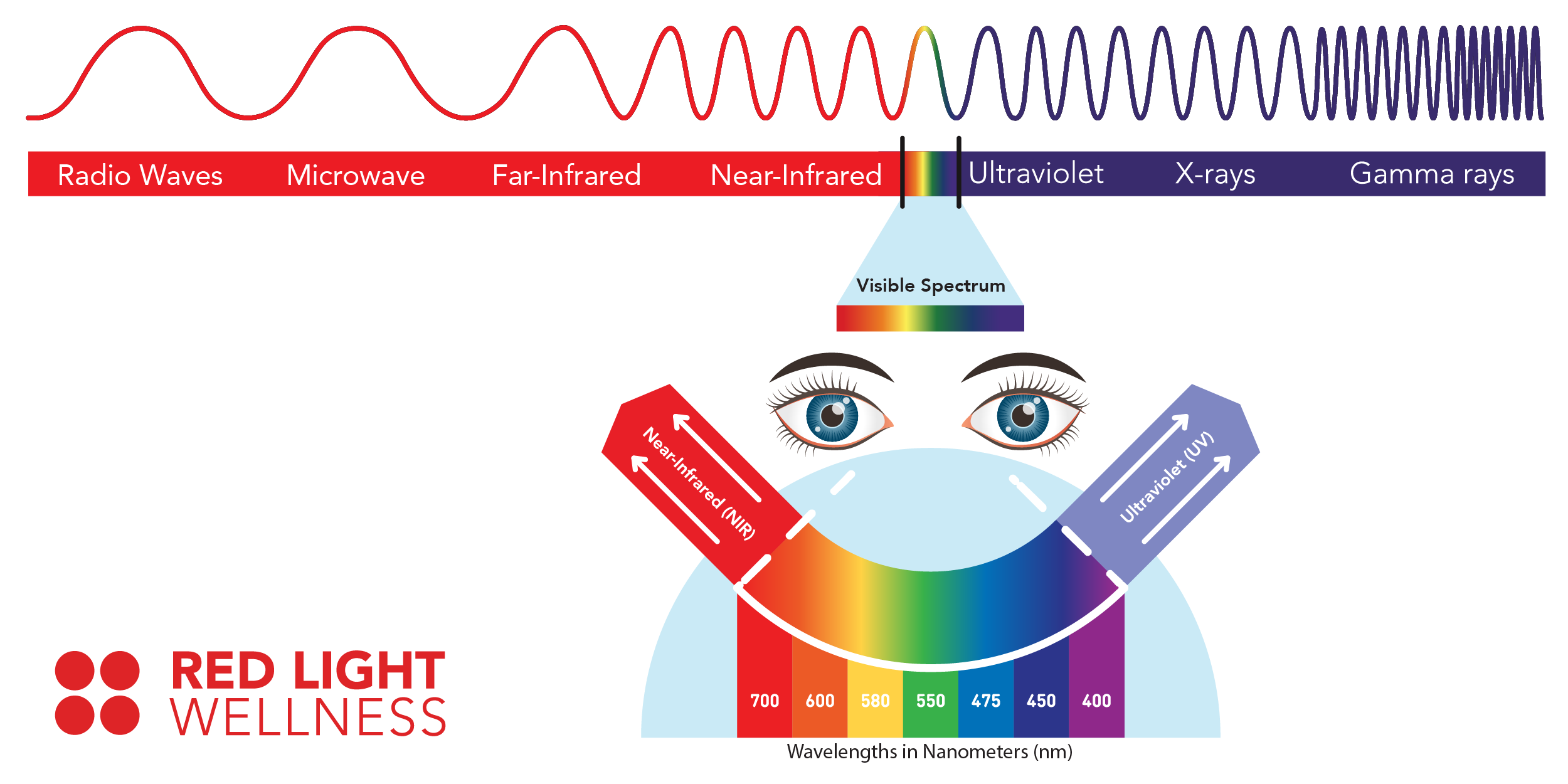
Two things decide whether this mechanism produces a result. The first is wavelength, which determines how far the light travels into tissue and whether cytochrome c oxidase can absorb it. The second is dose, how much light actually reaches the cell. Both have their own guides: wavelengths and irradiance covers the bands and how output is measured, and the session and dosing guide covers how much light and how often. The mechanism on this page is what those two factors are working to trigger.
Common questions
-
Red and near-infrared light of specific wavelengths pass into the body and are absorbed by the mitochondria inside cells. The prevailing explanation is that this absorption helps the mitochondria produce ATP, the molecule cells use for energy, more efficiently for a period afterward. The process is called photobiomodulation. It is light acting as a biological signal, not heat and not a drug.
-
Mitochondria produce ATP, the cell's energy currency. A light-sensitive part of the mitochondrial energy machinery, cytochrome c oxidase, absorbs red and near-infrared light, and the working theory is that this supports more efficient ATP production. Better-fueled tissue is better positioned to carry out its normal repair and recovery.
-
No. Photobiomodulation is non-thermal. The effect comes from light being absorbed by cytochrome c oxidase as a signal, not from warming the tissue. A good session feels comfortable rather than hot.


Where to go next
→ What is red light therapy the plain definition
→ Wavelengths and irradiance the two bands and how output is measured
→ Red light versus infrared how the two kinds of light differ
→ Red light therapy safety eye protection and precautions
→ Session and dosing guide how much light, and how often