


Safety, honestly
Is red light therapy safe?
By Red Light Wellness
Red light therapy is generally well tolerated. For most healthy adults it is non-invasive, drug-free, and does not use ultraviolet light, and the side effects that do occur are uncommon and usually mild. That said, generally well tolerated is not the same as safe for everyone in every situation. This page is general safety education, not individualized medical advice. It covers the sensible precautions, how to protect your eyes, and the situations where you should check with a healthcare professional before you begin. For how much light and how often, see the session and dosing guide. For what device numbers mean, see wavelengths and irradiance.
Generally well tolerated, and not the same as UV
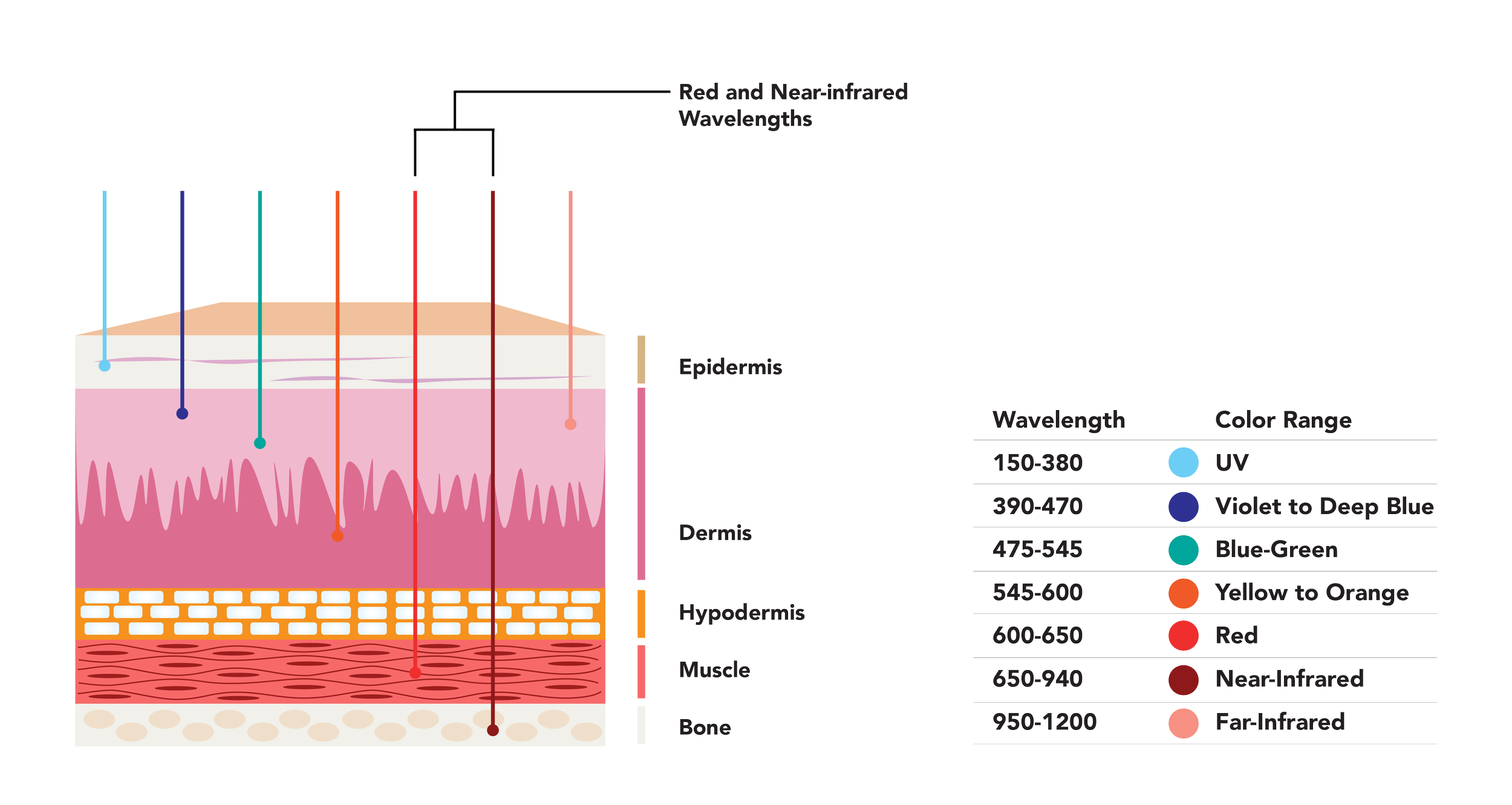
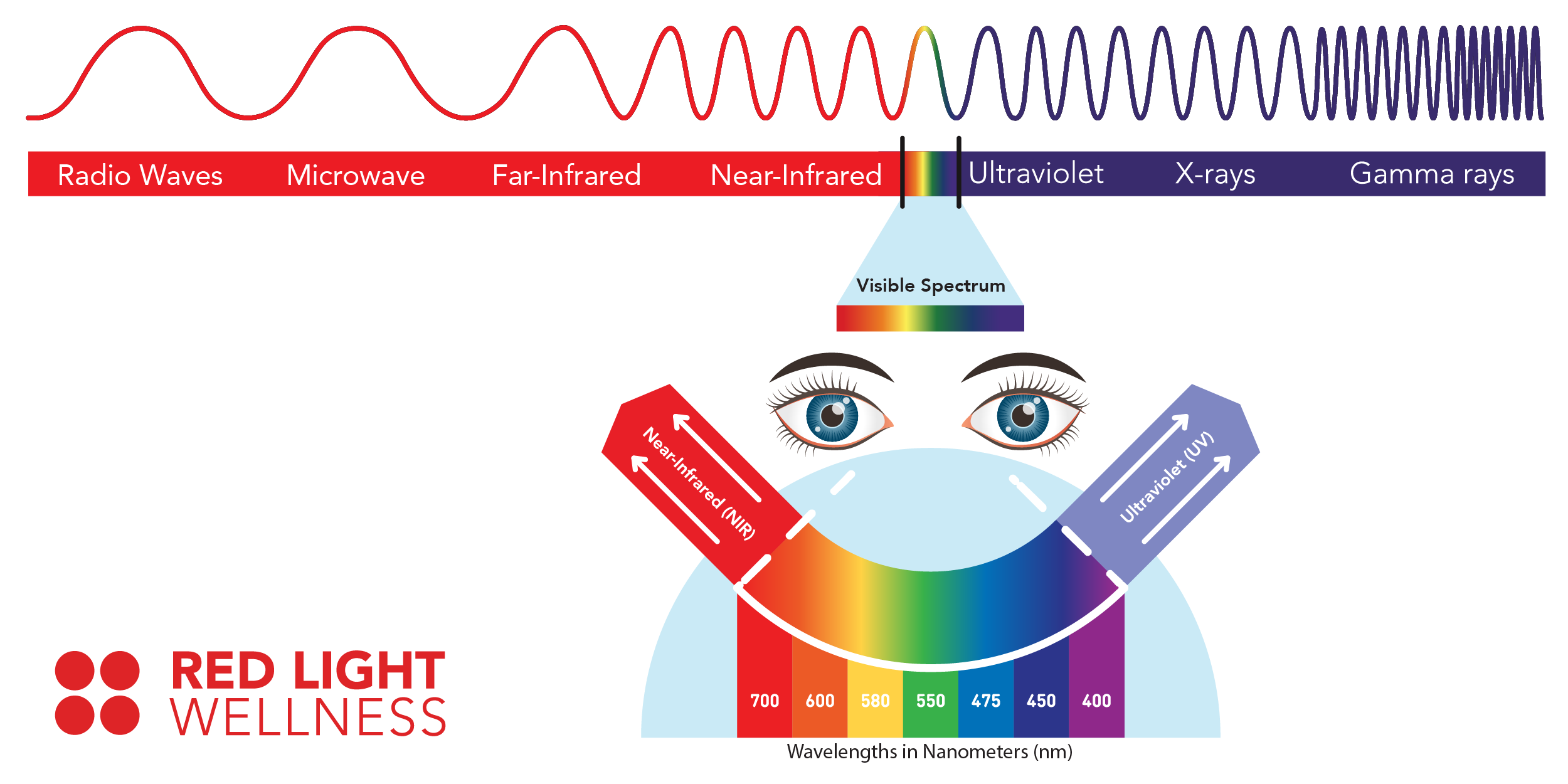
For most healthy adults, red and near-infrared light therapy is considered low risk. It is non-invasive and drug-free, there are no needles and no ultraviolet exposure, and the side effects that do occur are uncommon and usually mild, such as temporary redness or warmth in the treated area. Because a full-body red light bed can look a little like a tanning bed, people sometimes assume the risks are similar. They are not. Tanning beds emit ultraviolet light, the band associated with sunburn and skin damage. Red light therapy uses visible red and near-infrared light instead, so you are not tanning, and a session is never a substitute for or equivalent to UV exposure. If a device markets itself as doing both red light and tanning, that is a UV product with different risks entirely. None of this removes the need for good judgment, but it is why red light therapy has a favorable general safety profile.
Protect your eyes
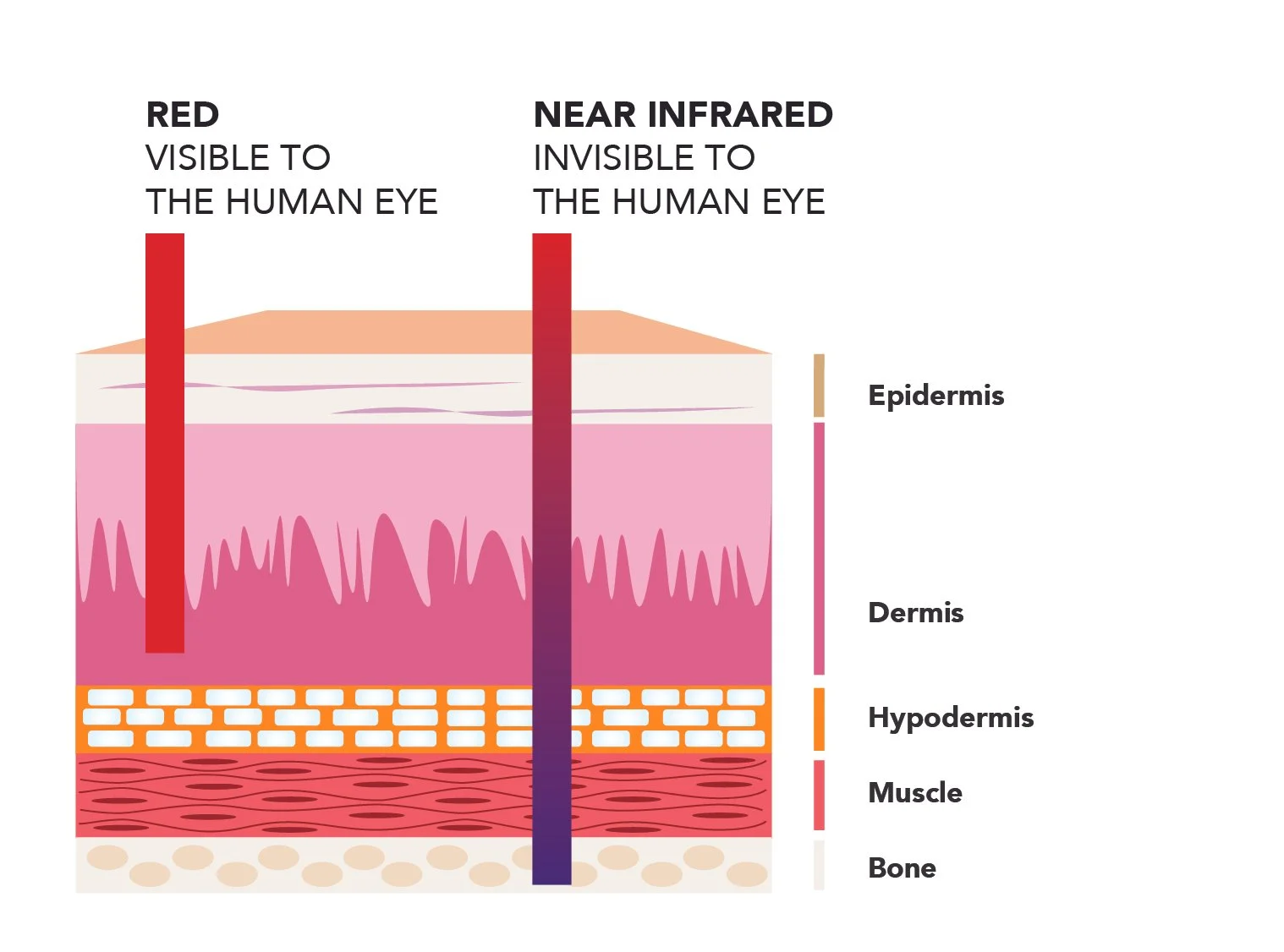
The eyes are the one part of the body that deserves specific caution. Bright red and near-infrared light is intense, and there is no need to stare directly into a high-output source. The sensible, widely used practice is to keep your eyes closed during a session and to wear the protective goggles provided with a device, especially with brighter systems. Near-infrared light is largely invisible, so your eyes will not reflexively look away from it the way they would from a bright visible source, which is exactly why deliberate eye protection matters. If you have an eye condition, or you take a medication that affects the eyes, raise it with your clinician before your first session.
When to check with a healthcare professional first
A favorable general safety profile does not mean red light therapy is right for everyone without a conversation. A few situations call for a professional opinion before you begin. None of them is a reason to worry. They are simply cases where someone who knows your history should weigh in.
Pregnancy.
There is limited research on red light therapy during pregnancy, so the conservative and common recommendation is to consult your provider first.
Light-sensitive conditions.
Conditions such as lupus, or other disorders that make the skin react strongly to light, call for medical guidance before any light-based routine.
Photosensitizing medications or supplements.
Some medications and supplements increase how strongly your skin reacts to light, including certain antibiotics and some acne medications. Check with your prescriber or pharmacist. This is about asking before you start, not changing anything on your own.
Active cancer, or a history of it.
Anyone with active cancer, or being treated for it, should clear red light therapy with their oncologist rather than assume it is fine.
A recent skin procedure.
If you have had a recent skin procedure, mention it before you begin.
The theme across all of these is the same. Red light therapy is a supportive tool, not medical care. The moment your situation involves a diagnosed condition, a pregnancy, or a medication, the right move is to ask the professional who manages your health, not a device manual.
Individual results may vary. Not intended to diagnose, treat, cure, or prevent any disease. Consult a healthcare professional before use.

Sensible habits that keep sessions comfortable
Beyond the situations above, safe use comes down to a few sensible habits. Follow the instructions that come with your device for distance, session length, and intensity. More is not better. Overdoing a session tends to produce mild, temporary effects such as fatigue or brief skin irritation rather than injury, so there is nothing to gain by exceeding the recommended time. Avoid using it on broken skin, open wounds, or active skin conditions. Pay attention to how your skin responds. Brief warmth or redness is normal, while lasting irritation is a signal to shorten sessions or pause and ask a professional. For anything unusual, stop and check in with a clinician. For how often and how long to run a session, see the session and dosing guide.
General information, not medical advice
This page is general safety education. It is not individualized medical advice, and it cannot tell you whether red light therapy is right for your specific situation. Red light therapy is a supportive tool rather than medical care, so when a diagnosis, a pregnancy, or a medication is involved, the professional who manages your health is the right person to ask. Used sensibly, with your eyes protected and your device's instructions followed, red light therapy is straightforward for most people to use comfortably.
Common questions
-
For most healthy adults it is generally well tolerated. It is non-invasive, drug-free, and does not use ultraviolet light, and the side effects that occur are uncommon and usually mild, such as temporary redness or warmth. Protect your eyes, follow your device's instructions, and check with a professional first if you are pregnant, have a light-sensitive condition, or take a photosensitizing medication.
-
It is the sensible practice, especially with brighter devices. Keep your eyes closed during a session and wear the goggles provided. Near-infrared light is largely invisible, so your eyes will not look away from it on their own, which is why deliberate eye protection matters.
-
Check with your healthcare provider first. Research during pregnancy is limited, and some medications and supplements increase how strongly your skin reacts to light. Your provider or pharmacist can advise you for your own situation.


Where to go next
→ What is red light therapy the plain definition
→ How photobiomodulation works the cellular mechanism
→ Wavelengths and irradiance what the device numbers mean
→ Red light versus infrared how the two kinds of light differ
→ Session and dosing guide how much light, and how often