

Understanding dose
How much light, and how often?
By Red Light Wellness
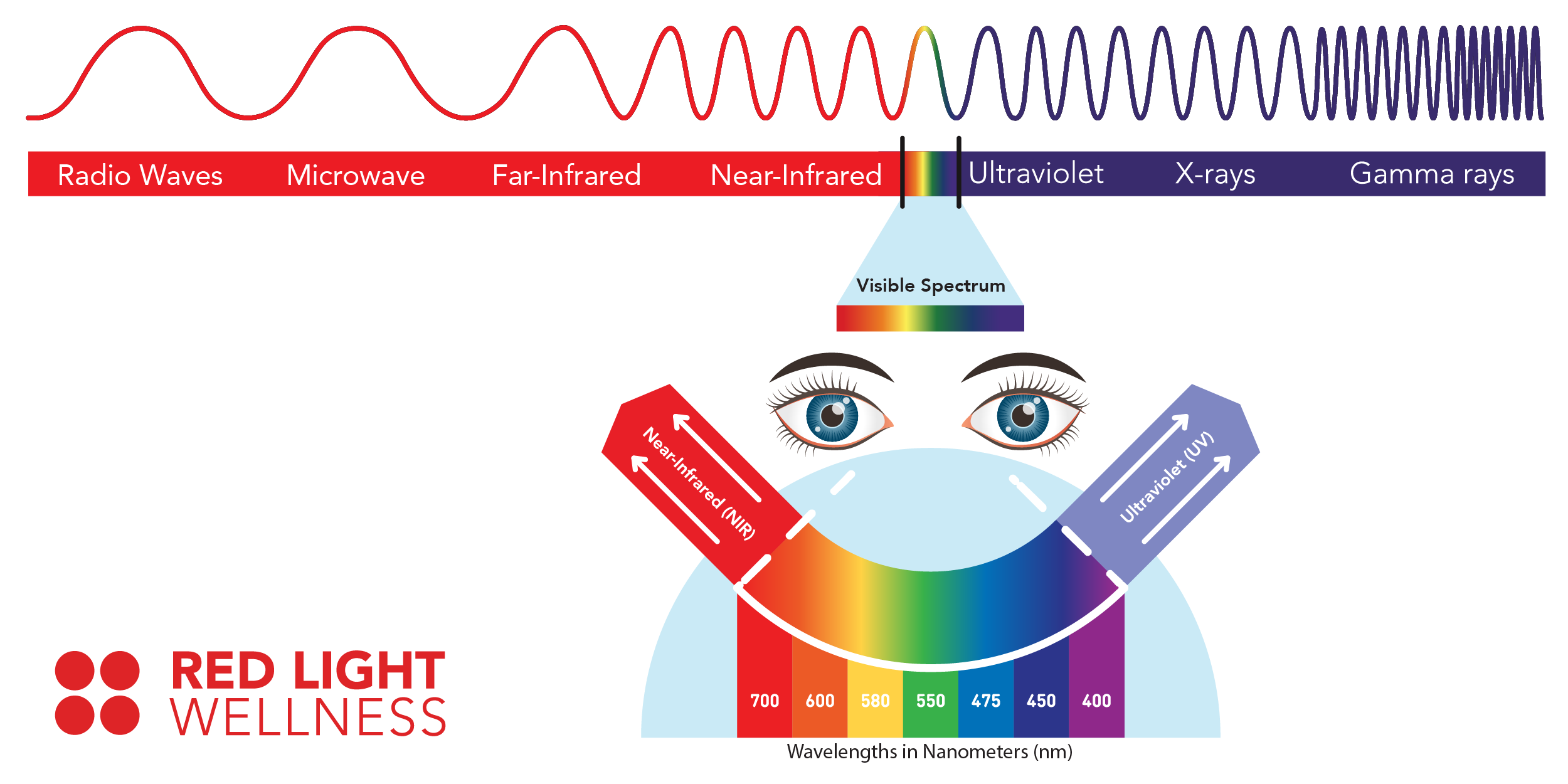
Dose is the part of red light therapy that people most often get wrong, usually by assuming that more time means more benefit. It does not work that way. This page explains how to think about dose: what it actually is, why session length is only one variable, how frequency and distance fit in, and why more light past a point is not better. It is a framework for understanding, not a universal schedule. For the settings of any specific device, follow the instructions that come with it. For what the output numbers mean, see wavelengths and irradiance.
What dose actually means
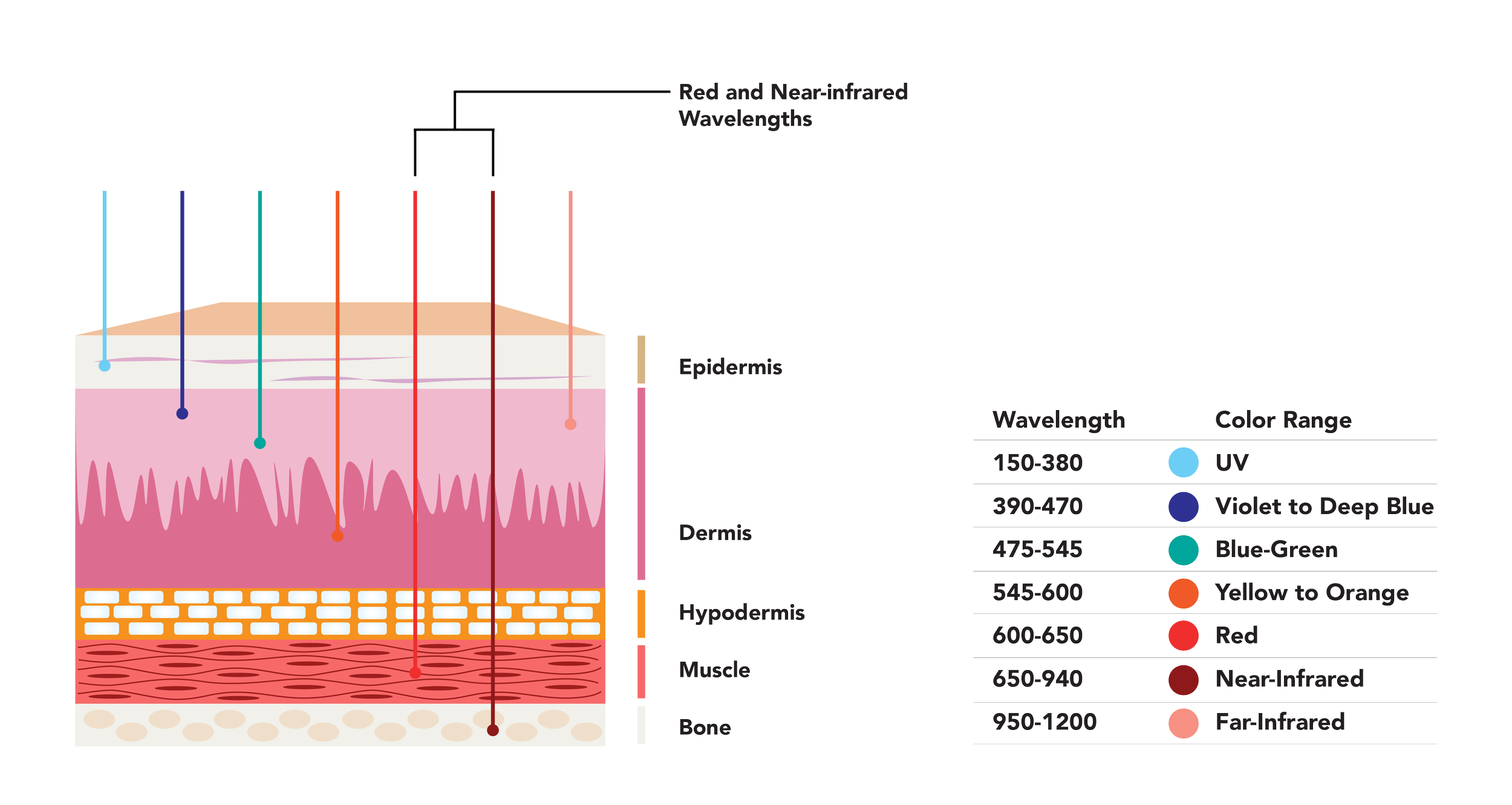
Dose is the amount of light energy your tissue actually receives during a session. It is not the number of minutes on a clock. Two things decide it together: how intense the light is, and how long you are exposed to it. That is why session length on its own tells you very little. A short time under strong, well-delivered light can add up to more usable light than a long time under a weak source. So the useful question is never simply how long, but how long at what output and at what distance. Those variables move together, and dose only makes sense when you hold all of them in view at once. For what output and energy are actually measured in, see wavelengths and irradiance.
Session length is one variable, not a rule
Because dose depends on the device as well as the clock, there is no single session length that is correct everywhere. A strong, well-built device reaches a useful amount of light sooner, so a shorter session is enough. A weaker one may need much longer to deliver the same amount, and some never reach it no matter how long you stay. This is why a session time quoted with no mention of the device or its output does not travel well from one setup to another. The reliable source for how long a given device's session should run is the instructions that come with that device.
How often: a pattern, not a prescription
Frequency tends to follow a shape rather than a fixed rule. Many people use red light therapy more often at first while they are building a routine, then settle into a steady, sustainable rhythm they can keep. What matters most across that arc is consistency over weeks rather than any single long session, because the effect builds gradually rather than arriving all at once. How often is right for you depends on you, your goal, and guidance from your own healthcare provider, so any general range is a starting point for that conversation, not a prescription.
More is not better past a point
This is the most misunderstood idea in red light therapy, and it is why the "just add more minutes" instinct fails. The response is biphasic, which means it has two sides. Too little light produces little or no effect. A middle, well-chosen amount produces the supportive response you are aiming for. Too much offers no extra benefit and can work against the very effect you wanted. Plotted out, the benefit rises with dose, reaches a useful range, and then falls off again. There is a window, and both of its edges are real. Doubling your session time, or crowding a very high-output device, is not a shortcut. It can push you past the useful point rather than deeper into it. Getting dose right is about landing in a sensible range on purpose, not about maximizing exposure.
Individual results may vary. Not intended to diagnose, treat, cure, or prevent any disease. Consult a healthcare professional before use.
Why device instructions and professional guidance come first
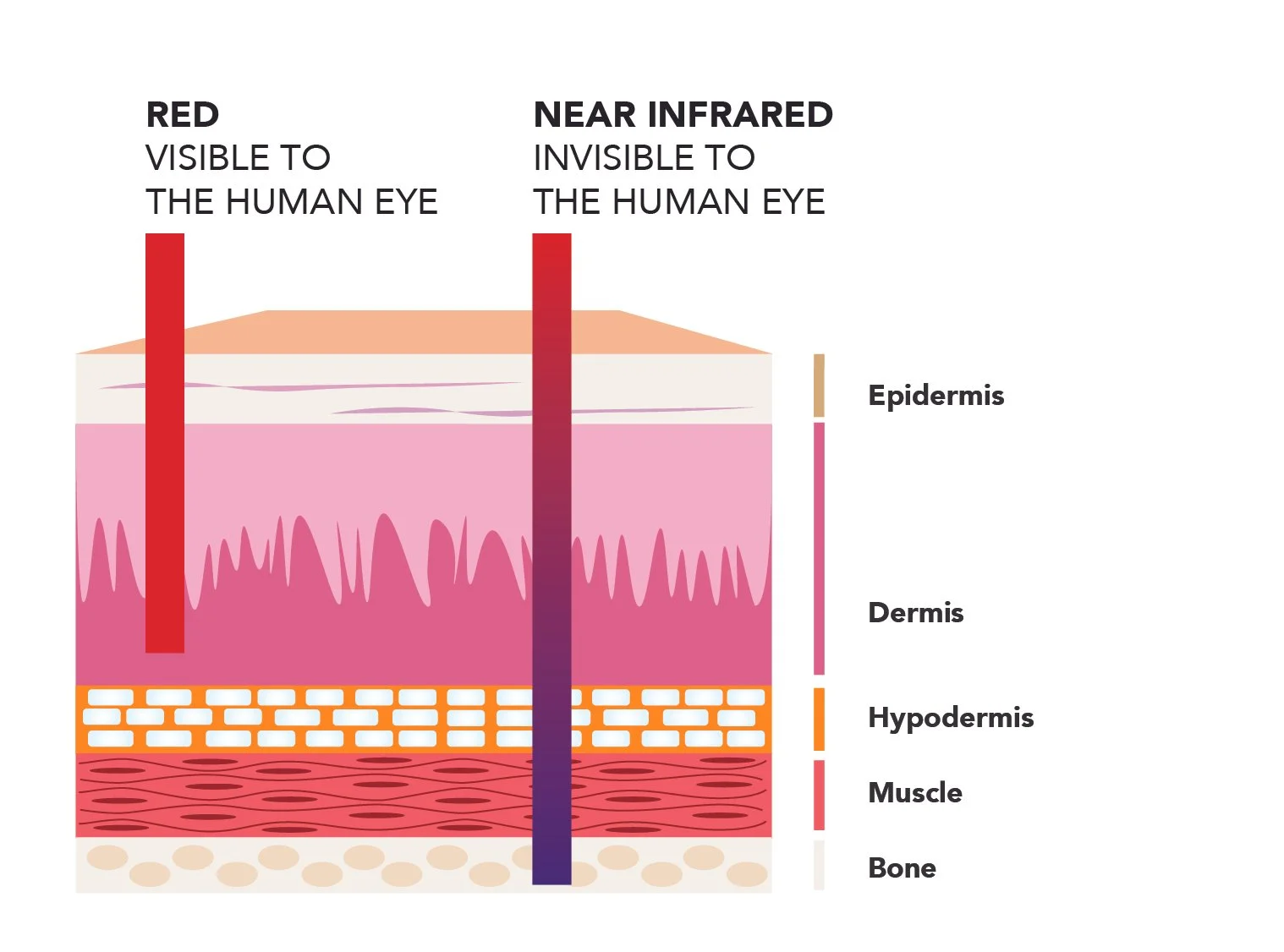
Because output, distance, and how a device was measured all vary, a number that works for one device or one setup does not automatically carry over to another. That is the honest limit of any general dosing guidance, including this page. The instructions that come with your device are the right source for its own settings, and if you are working toward a specific health goal, your healthcare provider is the right person to help you shape a routine around it. This page is here to explain how dose works so those instructions make sense. It does not replace either of them.
Common questions
-
Not on its own. Dose depends on how intense the light is as well as how long you are exposed, so a short session under strong, well-delivered light can add up to more than a long session under a weak source. Session length only means something alongside the device's output and your distance from it.
-
In the sense that going well past a sensible amount adds no extra benefit and can work against the effect you were after. The response is biphasic: too little does little, a middle amount helps, and too much offers nothing more. It is about landing in a sensible range, not maximizing time.
-
There is no single universal schedule. A common shape is more often at first while you build a routine, then a steady, sustainable rhythm, with consistency over weeks mattering more than any one long session. The right cadence depends on you, your goal, your healthcare provider, and the instructions that come with your device.


Where to go next
→ What is red light therapy the plain definition
→ How photobiomodulation works the cellular mechanism
→ Wavelengths and irradiance what the device numbers mean
→ Red light vs infrared - which light reaches deeper
→ Red light therapy safety - eye protection and precautions